

Lavrov to host ambassadors from Britain, France, Germany; accuses them of blocking peace
Translated from Hungarian, summarized and contextualized by DistantNews.
At a glance
News
Sources not specified
Context piece
- Russian Foreign Minister Sergey Lavrov will meet with ambassadors from Britain, France, and Germany.
- Lavrov accused the "European troika" of hindering a peace deal between Russia and Ukraine in spring 2022.
- The Kremlin believes Europe is not yet ready to act as a mediator in the conflict.
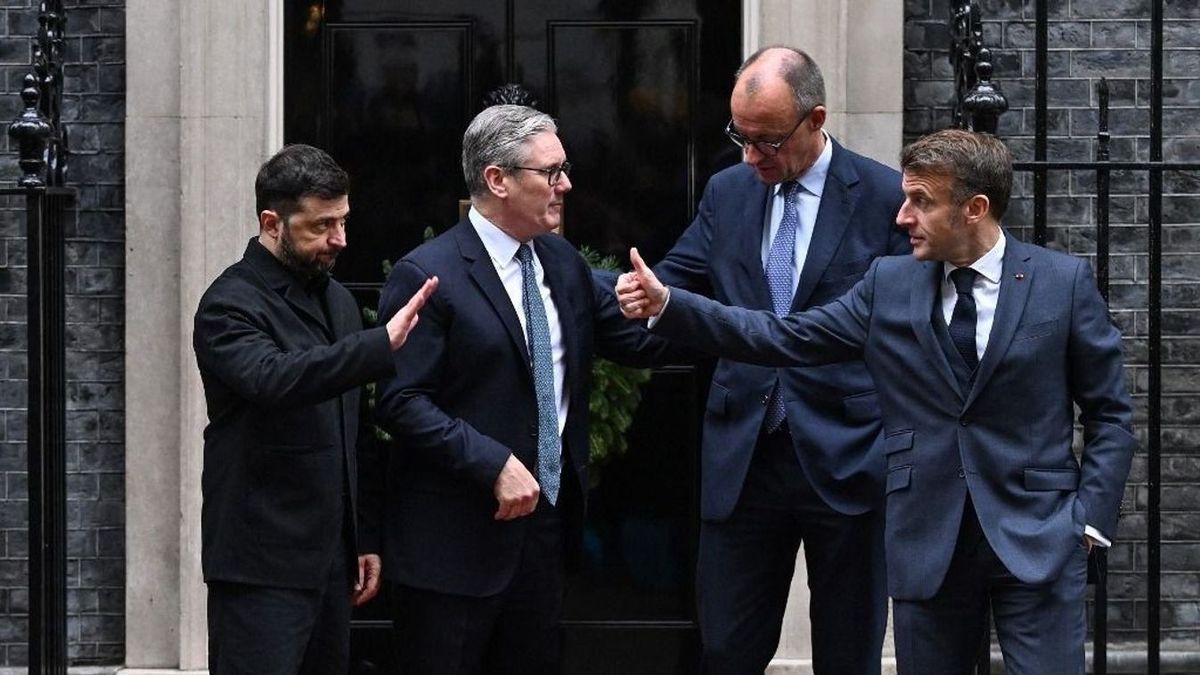
Russian Foreign Minister Sergey Lavrov announced he will host ambassadors from Great Britain, France, and Germany at the Foreign Ministry. "We will meet with them, we will listen to them," Lavrov stated, indicating a willingness to engage despite his sharp criticism of the so-called "European troika." Lavrov accused London, Paris, and Berlin of playing a negative role in the Russia-Ukraine conflict. He claimed that in spring 2022, during negotiations in Istanbul, these countries had the opportunity to contribute to ending the conflict. However, he asserted that they actively prevented Ukraine from signing preliminary agreements on ceasing hostilities and establishing principles for a resolution. Meanwhile, the Kremlin reiterated its stance that Europe is not yet in a position to act as a mediator. Kremlin spokesperson Dmitry Peskov previously stated that the European Union's attempts to act as a mediator by imposing conditions were unacceptable. Peskov believes Europe is still far from being able to participate as a genuine mediator in peace talks. This diplomatic engagement occurs as the three European powers had jointly urged on June 7 for a more active involvement of Europe and the United States in negotiations with Russia. They called for an immediate ceasefire and the commencement of talks based on current front lines, emphasizing their opposition to any forceful alteration of Ukraine's borders. Moscow, however, remains distrustful of Western involvement, and a significant gap persists between the parties regarding the conditions for ending the war in Ukraine.
DistantNews Editorial
Originally published by Magyar Nemzet in Hungarian. Translated, summarized, and contextualized by our editorial team with added local perspective. Read our editorial standards.
More Stories
From Our Blog

Countries Without a Free Press: What You Need to Know

What Press Freedom Means for the News You Read

What Gets Lost (and Found) When News Is Translated

The Critical Role of Diaspora Media in Global News

What Travellers Should Know About Countries with Restricted Press
