

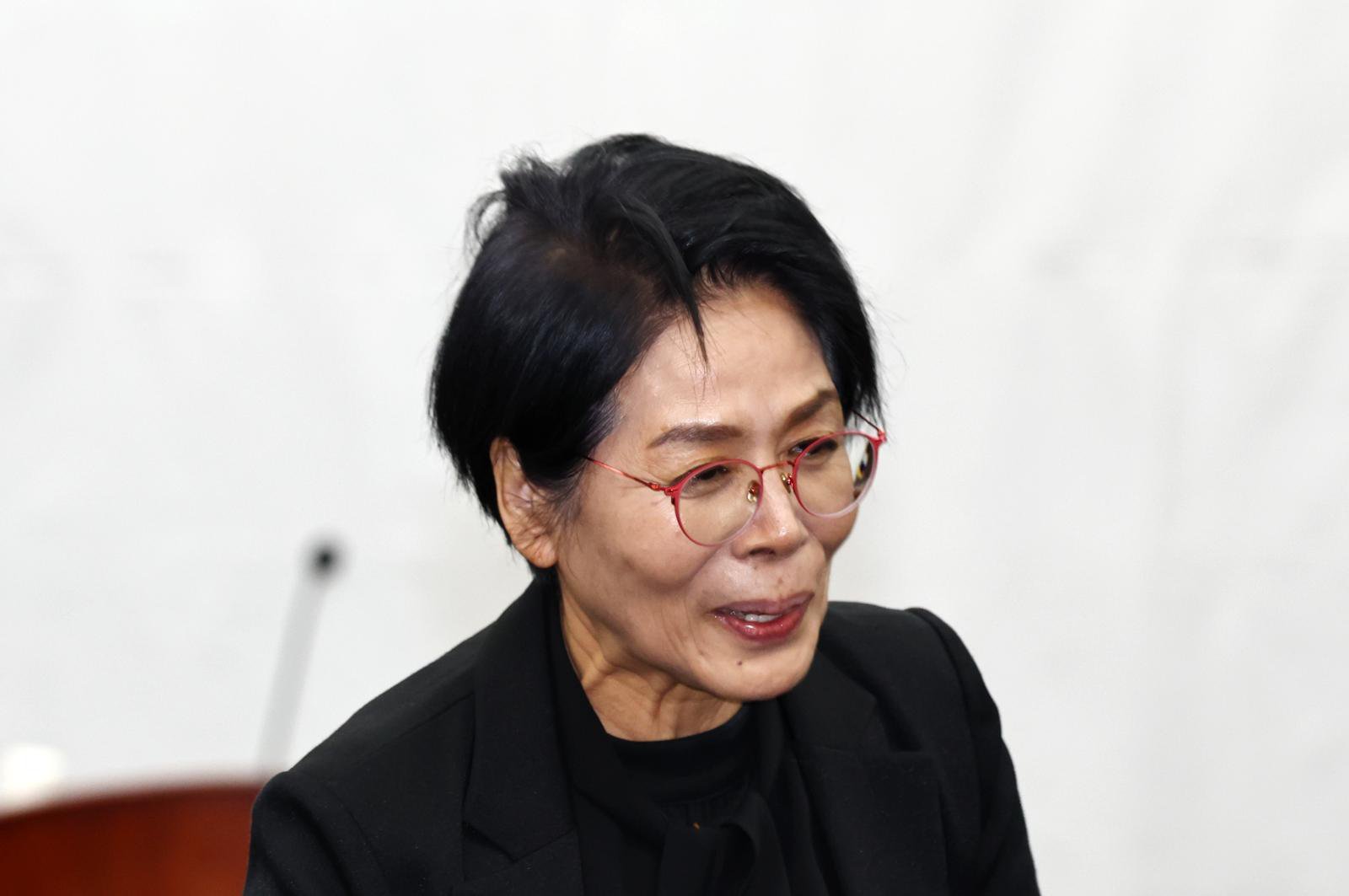

Lawmaker Criticizes Ex-Minister Cho Kuk's 'Foolish' Online Actions
Translated from Korean, summarized and contextualized by DistantNews.
At a glance
News
Sources not specified
Outcome reported
- Rep. Park Jie-won criticized former Justice Minister Cho Kuk's recent online activities, calling them "foolish" and detrimental to his political future.
- Park advised Cho to refrain from controversial posts and consider a period of self-reflection and a potential return to politics later.
- The controversy stems from Cho's comments on the use of the dialectal suffix 'no,' which some critics linked to the online community Ilbe.
Veteran lawmaker Park Jie-won has sharply criticized former Justice Minister Cho Kuk's recent online behavior, labeling his actions as "foolish" and warning that his stubbornness could jeopardize his political future. Park's comments come amid a growing controversy surrounding Cho's repeated online posts, particularly his engagement with a debate over the use of the dialectal suffix 'no.'
He's doing foolish things. If he remains so stubborn, he has no future.
Speaking on a radio program, Park urged Cho to cease his frequent online postings, suggesting that such activities alienate the public. He advised the former minister, who recently failed in his bid for a parliamentary seat, to observe a period of self-reflection and consider a more strategic return to politics. "He's my friend, a truly smart person, but I don't understand why he's doing this. He's doing foolish things," Park stated, expressing concern over Cho's approach.
I don't understand why he's doing this. He's doing foolish things.
Park revealed that several members of Cho Kuk's party had approached him, expressing frustration that Cho was not heeding advice, even suggestions to temporarily leave the country. "If he remains so stubborn, he has no future," Park warned, emphasizing that difficult times in politics require patience and strategic thinking rather than impulsive reactions.
If he remains so stubborn, he has no future.
The debate ignited after girl group member Wonie used the phrase 'museopno,' which some critics associated with the online community Ilbe, known for its controversial language. Cho Kuk subsequently posted several times on Facebook about the use of 'no,' arguing it was a form of hate speech when used mechanically after standard Korean words. This stance drew criticism, including from Park, who argued that 'no' is a common dialectal ending in the Gyeongsang region and should not be conflated with Ilbe's usage. Cho has since clarified that he never called the group Ilbe, expressing regret if his posts caused hurt.
I never said Lisanne was Ilbe.
DistantNews Editorial
Originally published by Hankyoreh in Korean. Translated, summarized, and contextualized by our editorial team with added local perspective. Read our editorial standards.
More Stories


From Our Blog

What Gets Lost (and Found) When News Is Translated

The Critical Role of Diaspora Media in Global News

What Travellers Should Know About Countries with Restricted Press

A Digital Nomad's Guide to Following Local News

How the Same Story Looks Different in Different Countries
