


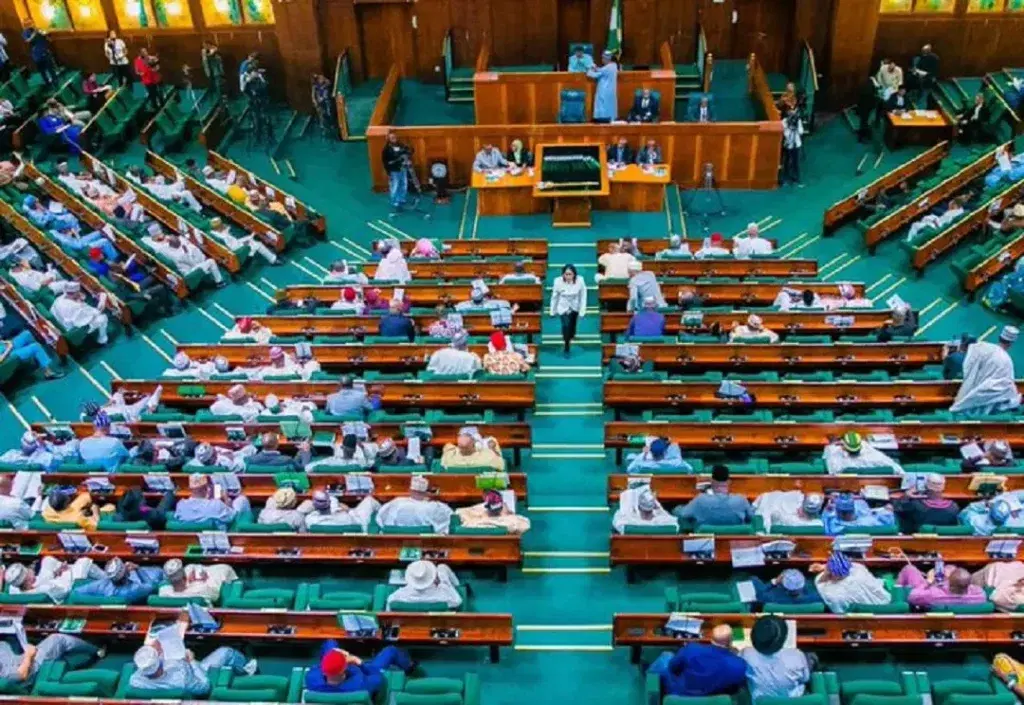
Lawmakers Threaten Sanctions Over Poor Oil Act Implementation
Translated from English, summarized and contextualized by DistantNews.
At a glance
News
Sources not specified
New plan
- Nigerian lawmakers are considering sanctions due to the poor implementation of the Petroleum Industry Act (PIA).
- Stakeholders in the Niger Delta region are demanding better oversight and accountability for Host Community Development Trusts (HCDTs).
- The call for sanctions highlights concerns over the effective operation of the PIA, particularly regarding community benefits.
Nigerian legislators are contemplating sanctions against entities failing to properly implement the Petroleum Industry Act (PIA). This move comes as stakeholders from the Niger Delta region express strong dissatisfaction with the current oversight and accountability mechanisms for Host Community Development Trusts (HCDTs).
The Petroleum Industry Act, intended to govern the oil and gas sector and ensure benefits reach host communities, appears to be facing significant implementation challenges. The call for stricter monitoring and potential sanctions underscores a growing demand for transparency and effective delivery of promised development projects and benefits to the communities most affected by oil exploration.
This situation points to a critical juncture in the management of the oil and gas sector in Nigeria, where the successful execution of the PIA is crucial for fostering local development and ensuring equitable distribution of resources. The threat of sanctions signals a serious intent by lawmakers to enforce compliance and address the perceived shortcomings in the current implementation framework.
DistantNews Editorial
Originally published by Vanguard in English. Translated, summarized, and contextualized by our editorial team with added local perspective. Read our editorial standards.
More Stories


From Our Blog

How the Same Story Looks Different in Different Countries

What Gets Lost (and Found) When News Is Translated

The Critical Role of Diaspora Media in Global News

What Travellers Should Know About Countries with Restricted Press

A Digital Nomad's Guide to Following Local News
