


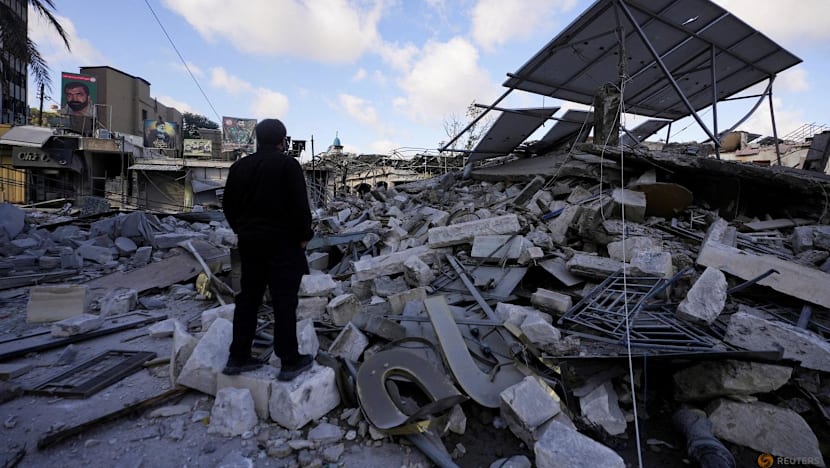
Lebanon fighting eases after US-Iran deal, but displaced warned not to rush home
Translated from English, summarized and contextualized by DistantNews.
At a glance
News
Named sources
Outcome reported
- Fighting in southern Lebanon eased on June 15, 2026, following a US-Iran deal to end the wider conflict.
- Local authorities cautioned displaced residents against returning home immediately due to ongoing Israeli troop presence and potential dangers.
- Israel stated it would not withdraw troops from security zones in southern Lebanon, Gaza, and Syria, vowing retaliation if attacked by Iran.
Relative calm descended upon southern Lebanon on Monday, June 15, 2026, after the announcement of a US-Iran agreement aimed at ceasing hostilities. The deal, brokered by Pakistan, called for an immediate and permanent end to military operations across all fronts, including in Lebanon. Hezbollah's attacks on Israeli targets ceased just before midnight, and Israel significantly reduced its airstrikes, though some artillery fire was reported.
Despite the de-escalation, local officials urged displaced residents to postpone their return. Many towns in southern Lebanon have suffered heavy Israeli bombing, and some areas near the border remain occupied by Israeli troops. Mona Mazeh, a displaced woman sheltering in Beirut, expressed hesitation about returning to her village near Tyre, stating, "Israel cannot be trusted."
Frankly, we are hesitant; Israel cannot be trusted.
Israel's Defense Minister Israel Katz affirmed that Israeli troops would not withdraw from designated security zones in southern Lebanon, Gaza, and Syria. He emphasized that these zones would be cleared of local residents and "all terrorist infrastructure, including houses in contact villages," a clear reference to Hezbollah. Katz also warned of retaliation should Iran initiate attacks against Israel in connection with events in Lebanon.
The conflict has resulted in nearly 3,800 deaths and displaced approximately 1.2 million people in Lebanon, marking it as the deadliest spillover from the broader US-Iran conflict. The situation remains tense as residents weigh the risks of returning to damaged and potentially unsafe areas.
all terrorist infrastructure, including houses in contact villages
DistantNews Editorial
Originally published by CNA in English. Translated, summarized, and contextualized by our editorial team with added local perspective. Read our editorial standards.
More Stories


From Our Blog

What Gets Lost (and Found) When News Is Translated

The Critical Role of Diaspora Media in Global News

What Travellers Should Know About Countries with Restricted Press

A Digital Nomad's Guide to Following Local News

How the Same Story Looks Different in Different Countries
