


Lee: 'Criminal Procedure Act amendment is inevitable... not a situation for veto'
Translated from Korean, summarized and contextualized by DistantNews.
At a glance
News
Sources not specified
Approved/passed
- President Lee Jae-myung stated that the amendment to the Criminal Procedure Act, separating investigation and prosecution, is a necessary step to normalize the criminal justice system.
- He indicated that the bill does not present grounds for exercising the right of veto, citing it as a natural and inevitable measure.
- Lee criticized the prosecution for repeatedly abusing its concentrated powers, leading to targeted investigations, but acknowledged concerns about the police's investigative authority.
President Lee Jae-myung has declared that the amendment to the Criminal Procedure Act, which separates investigative and prosecutorial powers, represents the first step in normalizing an abnormal criminal justice system and is an inevitable measure. He stated this on the 4th, emphasizing its significance.
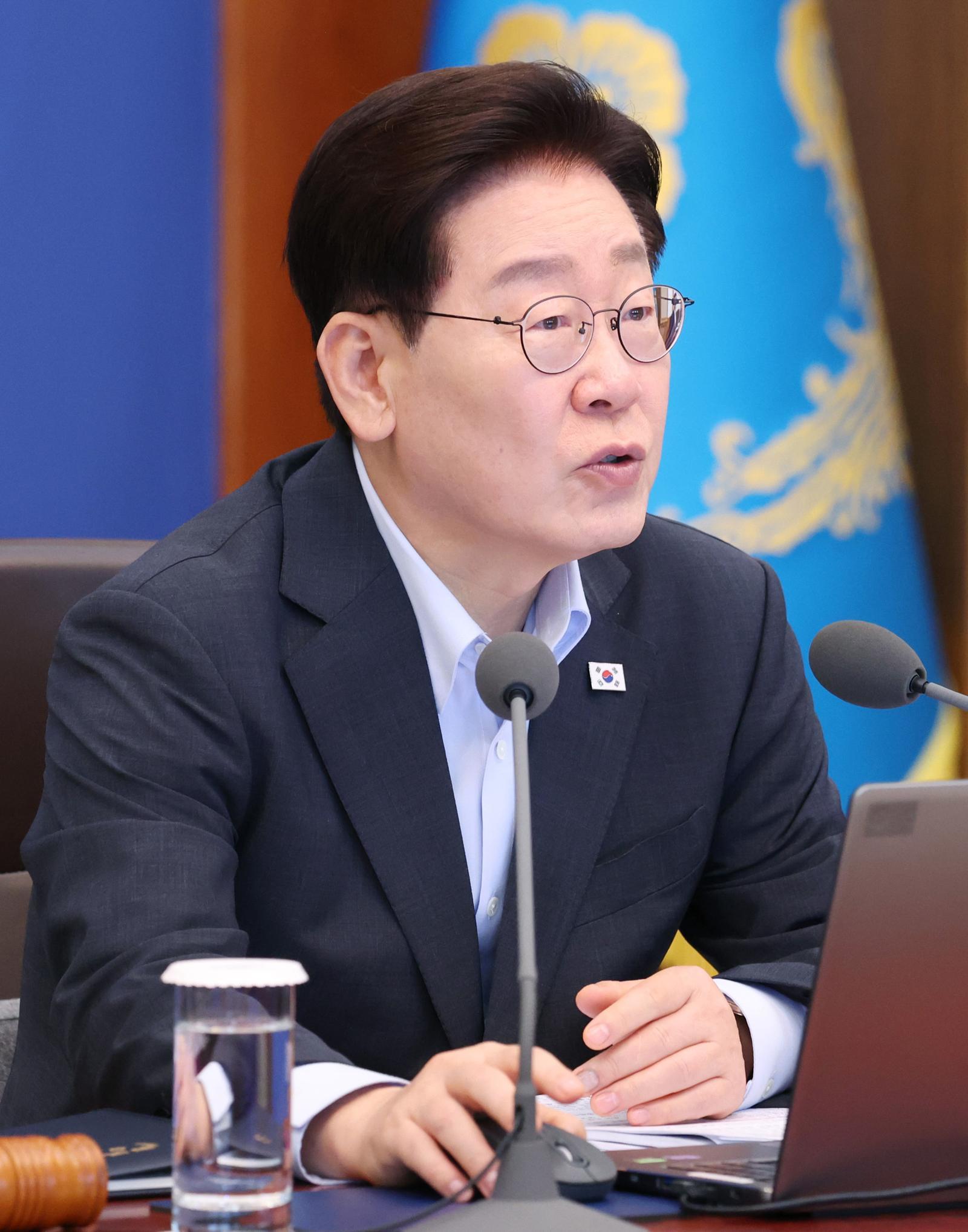
During a State Council meeting at the Blue House, President Lee conveyed his intention not to exercise the right of veto. He argued that the bill does not contain any severe issues such as unconstitutionality, unenforceability, detriment to national interests, or infringement of the executive branch's inherent powers, which would warrant rejecting the National Assembly's legislative authority.
It is the first step in normalizing an abnormal criminal justice system and an inevitable measure that is bound to happen.
President Lee criticized the prosecution for its repeated abuse of excessive power, which he claims has led to separate and targeted investigations. However, he also acknowledged growing concerns about the police gaining excessive investigative authority and becoming overly powerful. He stressed the need for follow-up measures to improve the fairness and capabilities of investigations, alongside refining related laws and systems.
It is difficult to see the bill as having serious problems such as unconstitutionality, unenforceability, detriment to national interests, or infringement of the executive branch's inherent powers, which would negate the National Assembly's legislative authority.
DistantNews Editorial
Originally published by Dong-A Ilbo in Korean. Translated, summarized, and contextualized by our editorial team with added local perspective. Read our editorial standards.
More Stories


From Our Blog

What Gets Lost (and Found) When News Is Translated

The Critical Role of Diaspora Media in Global News

What Travellers Should Know About Countries with Restricted Press

A Digital Nomad's Guide to Following Local News

How the Same Story Looks Different in Different Countries
