



Lessons from Pärnu flooding: Flood barriers must be stored, not left in emergency plans
Translated from Estonian and summarized by DistantNews. Read the original for the full story.
At a glance
In-depth
Documents & data
Outcome reported
- Pärnu received 114 millimetres of rain in 12 hours on September 4, an absolute record in the city’s measurement history, according to the Environment Agency.
- The flooding was not the kind of autumn high water that river levels can forecast days in advance, highlighting the need for stored flood barriers and better preparedness.
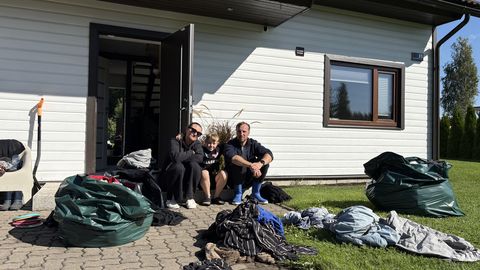
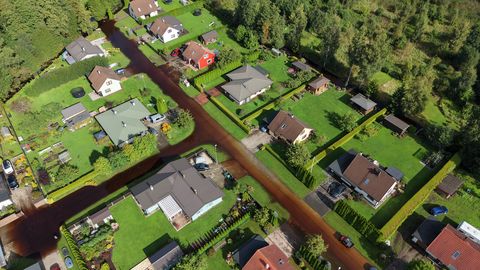
Pärnu’s September 4 flooding was not a typical autumn high-water event that river levels would have allowed officials to forecast days in advance. The city received 114 millimetres of rain in 12 hours, an absolute record in its measurement history, according to the Environment Agency.
The flooding exposed vulnerabilities including overloaded drainage systems and deteriorating culverts. But the experience also showed that Pärnu, along with other Estonian cities, could prepare more effectively for such emergencies.
Flood barriers should be available in warehouses or homes, rather than existing only as measures described in crisis plans. That is one of the central lessons drawn from the flooding.
About this summary
Originally published by Postimees in Estonian. Translated, summarized, and contextualized automatically by DistantNews, with a note on how the source frames the story. Not individually reviewed before publishing. How this works.
More Stories

From Our Blog

News in Translation: What Gets Lost, and How We Keep the Framing

Diaspora Media: How Communities Follow News From Home

Traveling Where the Press Is Not Free: How to Read the News There

The Digital Nomad's Guide to Local News

The Same Story, Different Countries: How Coverage Changes at the Border
