


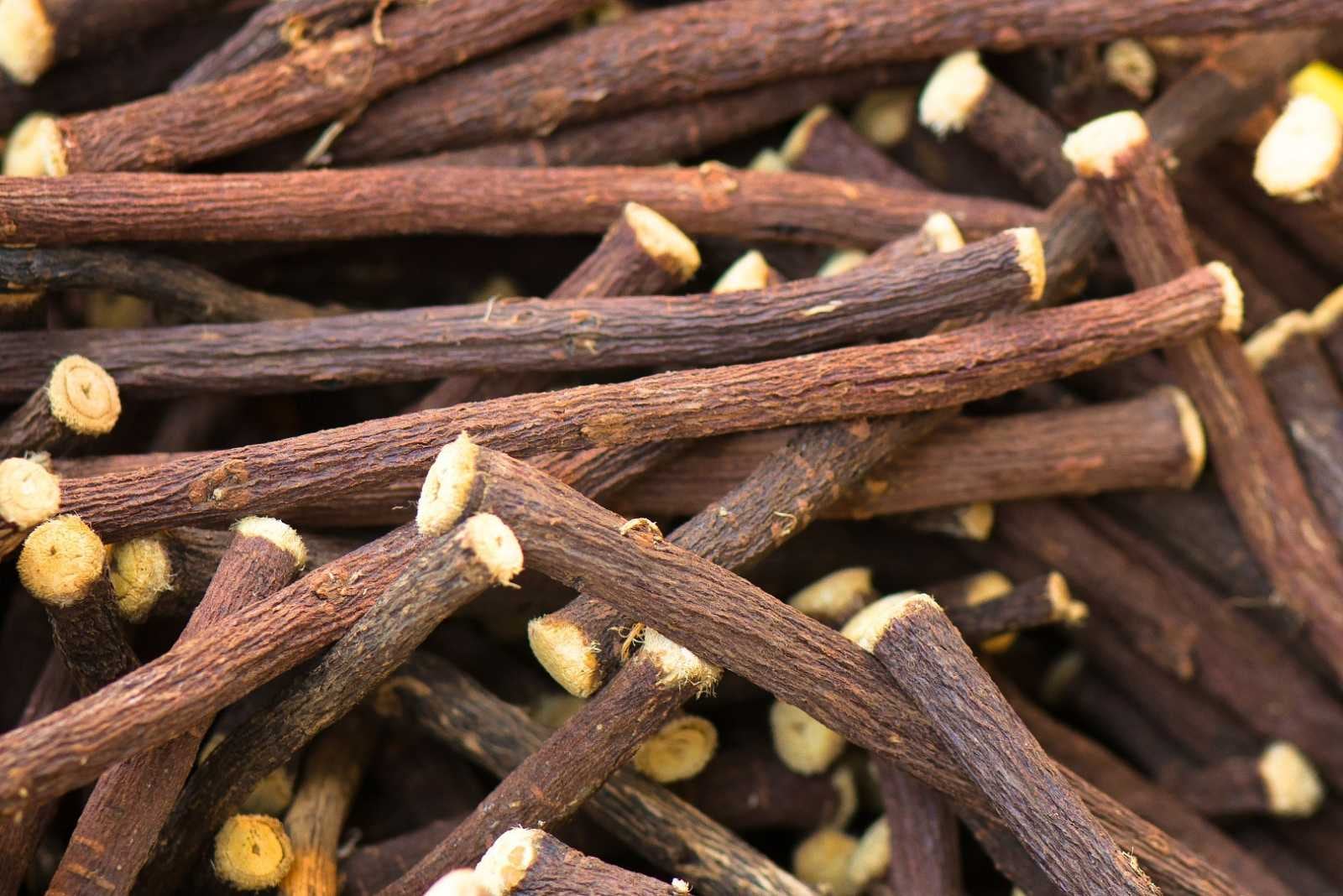
Licorice Compound Shows Promise in Halting Crohn's Disease Progression
Translated from Spanish, summarized and contextualized by DistantNews.
TLDR
- Researchers at the University of Tokyo have identified a compound in licorice that may reduce intestinal inflammation and cell death associated with inflammatory bowel disease, including Crohn's.
- The study, published in Stem Cell Reports, used human intestine models derived from stem cells and found that glycyrrhizin, a component of black licorice, significantly prevented intestinal cell death.
- While promising, the findings require human clinical trials for validation, and excessive licorice consumption can have side effects like increased blood pressure.
A groundbreaking discovery from the University of Tokyo offers a glimmer of hope for millions suffering from inflammatory bowel diseases like Crohn's. Our researchers have pinpointed glycyrrhizin, a natural compound found in licorice, as a potential agent to combat the debilitating inflammation and cell death characteristic of these conditions.
Utilizing advanced stem cell technology to model human intestines, the team meticulously screened thousands of compounds. Glycyrrhizin emerged as a standout, demonstrating a remarkable ability to protect intestinal cells from damage. This finding, replicated in animal models, suggests a novel therapeutic pathway that could significantly improve the quality of life for patients who often find limited relief from current treatments.
While the scientific community celebrates this advancement, it is crucial to temper expectations with scientific rigor. The study, published in Stem Cell Reports, emphasizes that these findings, though promising, are based on preclinical models. Extensive human clinical trials are the necessary next step to confirm the efficacy and safety of glycyrrhizin for patients. Furthermore, as with any natural remedy, caution is advised; the excessive consumption of black licorice can lead to adverse health effects, including elevated blood pressure, underscoring the need for medical supervision.
La glicirricina logró prevenir significativamente la muerte celular intestinal, un avance que ahora debe probarse en humanos.
DistantNews Editorial
Originally published by La Nación in Spanish. Translated, summarized, and contextualized by our editorial team with added local perspective. Read our editorial standards.
More Stories



From Our Blog

What Gets Lost (and Found) When News Is Translated

The Critical Role of Diaspora Media in Global News

What Travellers Should Know About Countries with Restricted Press

A Digital Nomad's Guide to Following Local News

How the Same Story Looks Different in Different Countries
