


Life on the edge in Russian-occupied Crimea: 'We wait for Ukraine to return'
Translated from Romanian, summarized and contextualized by DistantNews.
At a glance
In-depth
Named sources
Context piece
- Residents of Russian-occupied Crimea face severe hardships, including regular Ukrainian shelling, few tourists, rising prices, and frequent utility outages.
- Crimea, annexed by Russia in 2014, is experiencing visible war effects, with population departures and uncertainty replacing its former status as a popular Black Sea destination.
- Despite the critical situation, many residents express a determination to stay, adapting to daily challenges like limited electricity and disrupted services.
Life in Russian-occupied Crimea has become increasingly difficult, with residents enduring a summer described as one of the harshest in decades. Ukrainian forces regularly shell cities across the peninsula, while tourism has dwindled and prices for essential goods have surged. Frequent disruptions to electricity, water, and fuel supplies further compound the challenges.
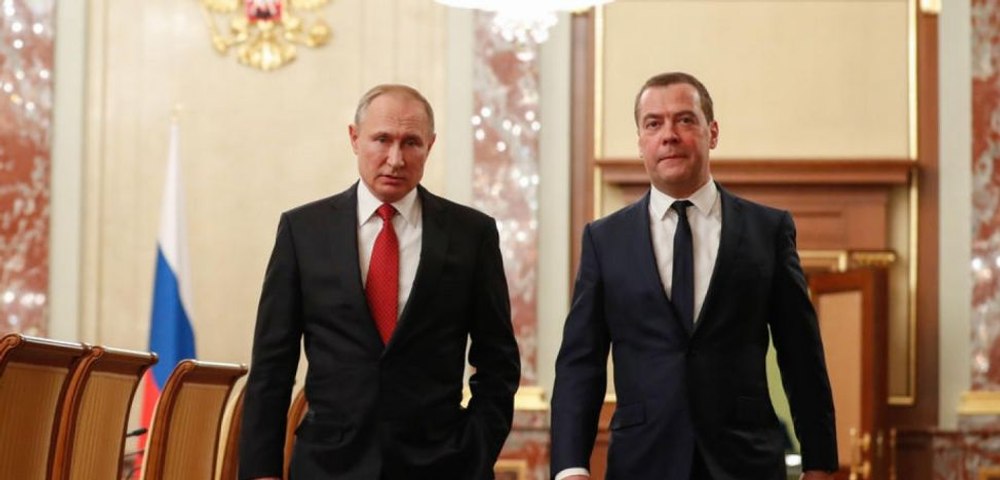
Once promoted by the Kremlin as Putin's "crown jewel" and a symbol of Russian ambition, Crimea is now visibly bearing the effects of the ongoing war. The Black Sea peninsula, formerly a popular tourist destination, is now characterized by an exodus of residents and an atmosphere of pervasive uncertainty. Local media reports, often absent from official Russian state channels, reveal the deep-seated problems and fears voiced by inhabitants.
In Dzhankoi, a town near mainland Ukraine, a resident named Irina described the daily struggle. Having moved from the Kherson region in 2023 with her husband and two children, she recounted living in a two-story house where shelling forces them to take shelter in the bathroom. Drone attacks targeting power substations have become common, with one incident in May hitting a residential building and causing casualties. "I got used to all this a long time ago," Irina stated, referring to her experiences in Kherson.
We live like this: we buy a piece of meat from the store, cook it immediately, and eat it.
Irina also detailed prolonged power outages, with one lasting two weeks in July. Even when electricity returns, it is often limited to four hours a day at insufficient voltage to power appliances like refrigerators or washing machines. "The only thing we can do is charge a phone," she said. "We live like this: we buy a piece of meat from the store, cook it immediately, and eat it." Handwashing clothes has become the norm, and accessing basic services like childcare remains difficult, with kindergartens closed due to power issues.
Despite the critical conditions, many residents, like Irina, express no immediate plans to leave. While authorities have promised compensation for extended power outages, the application process is slow. The situation underscores the profound impact of the conflict on civilians in occupied territories, forcing them to adapt to a precarious existence.
I got used to all this a long time ago
DistantNews Editorial
Originally published by Adevărul in Romanian. Translated, summarized, and contextualized by our editorial team with added local perspective. Read our editorial standards.
More Stories
From Our Blog

What Gets Lost (and Found) When News Is Translated

The Critical Role of Diaspora Media in Global News

What Travellers Should Know About Countries with Restricted Press

A Digital Nomad's Guide to Following Local News

How the Same Story Looks Different in Different Countries
