


Literature | Jussi Valtonen Has Doctors Read Chekhov
Translated from Finnish, summarized and contextualized by DistantNews.
At a glance
In-depth
Named sources
Context piece
- Jussi Valtonen, a professor at the University of the Arts Helsinki, teaches healthcare professionals to read literature.
- He believes this practice will make them better listeners and improve their ability to connect with patients.
- Valtonen's approach is inspired by research from Columbia University and literary examples like Anton Chekhov's stories.
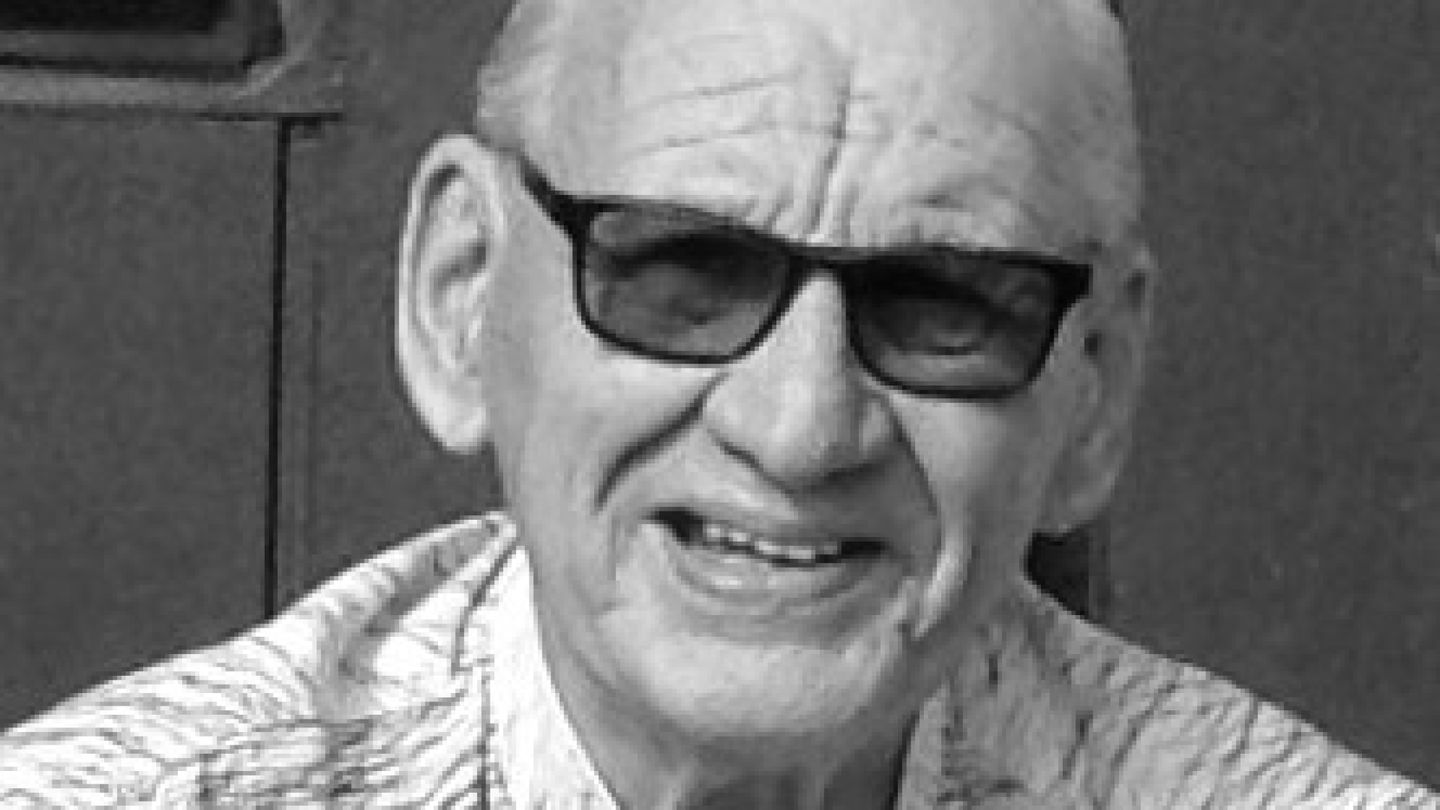
Jussi Valtonen, a professor at the University of the Arts Helsinki, is pioneering an innovative approach to medical education by incorporating literature into the training of healthcare professionals. Valtonen, who also writes fiction, aims to cultivate empathy and improve listening skills among doctors and nurses, believing that a deeper engagement with narrative can transform their patient interactions.
He believes that this will make them better listeners.
His pedagogical philosophy stems from a realization that the worlds of healthcare and authorship are not as separate as he once believed. This shift in perspective was solidified by research emerging from Columbia University. Valtonen now champions the idea that understanding fictional characters' struggles and motivations can equip medical practitioners with a more nuanced understanding of human suffering and resilience.
Jussi Valtonen used to think that healthcare and authorship were strictly separate matters.
Valtonen uses literary works, such as Anton Chekhov's short stories, as case studies. He points to Chekhov's character Vasiljev in "The Outbreak of a Disease," a man who, while visiting brothels with friends, finds himself overwhelmed by a desire to save the women working there. Vasiljev's profound inability to act, leading him to despair, serves as a powerful illustration of helplessness and the complex emotional responses it can evoke. Valtonen suggests that by dissecting such narratives, future doctors can learn to better recognize and respond to the emotional and psychological dimensions of their patients' conditions.
In Anton Chekhov's short story "The Outbreak of a Disease," a man named Vasiljev goes around brothels with two friends. He cannot enjoy himself, but wants to save all the women working in the houses.
The core of Valtonen's method lies in fostering a heightened sense of empathy. He argues that literature provides a unique window into the human condition, allowing readers to inhabit different perspectives and experience a wide range of emotions vicariously. By encouraging healthcare professionals to engage with these narratives, Valtonen seeks to equip them with the emotional intelligence necessary to provide more compassionate and effective care, moving beyond purely clinical assessments to address the whole person.
The inability to do anything drives Vasiljev to despair.
DistantNews Editorial
Originally published by Helsingin Sanomat in Finnish. Translated, summarized, and contextualized by our editorial team with added local perspective. Read our editorial standards.
More Stories


From Our Blog

What Gets Lost (and Found) When News Is Translated

The Critical Role of Diaspora Media in Global News

What Travellers Should Know About Countries with Restricted Press

A Digital Nomad's Guide to Following Local News

How the Same Story Looks Different in Different Countries
