

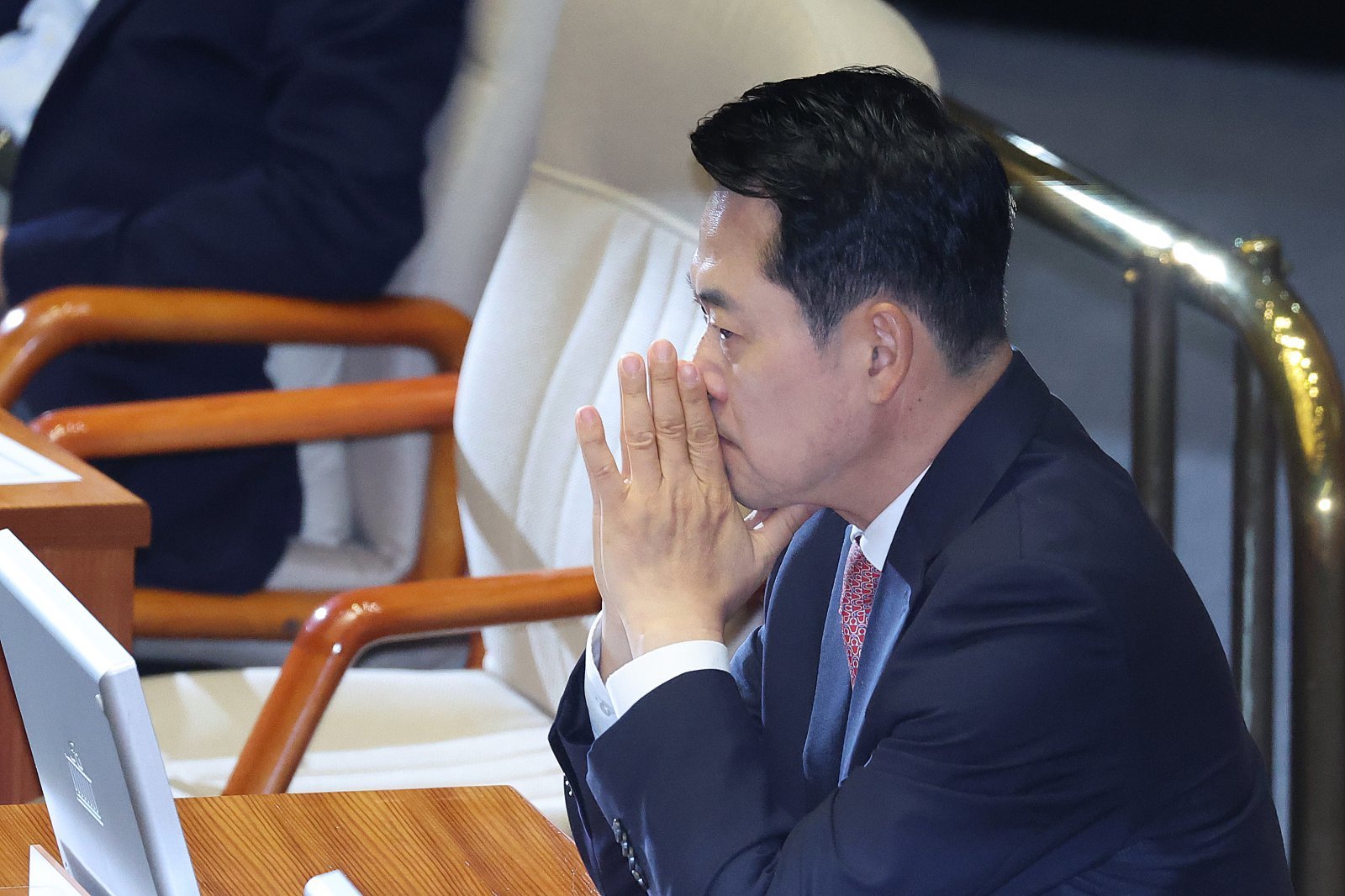

Live-streaming State Council Meetings and Transparency [Citizen Editor's Eye]
Translated from Korean, summarized and contextualized by DistantNews.
At a glance
Analysis
Sources not specified
Context piece
- South Korea's government began live-streaming State Council meetings in July 2023, aiming to increase transparency in governance.
- The live broadcasts have become popular, with clips of the president admonishing ministers going viral online.
- While transparency is valued in democracy, the article questions whether extreme transparency is always beneficial and highlights the importance of privacy and discretion in certain governmental processes.
South Korea's government initiated a groundbreaking move in July 2023 by live-streaming its State Council meetings for the first time. This unprecedented step moved beyond the previous practice of only releasing opening remarks, extending the broadcasts to include ministers' reports and subsequent discussions. The presidential office highlighted this initiative as a key achievement of its first year, emphasizing a commitment to transparency in governance, particularly for an administration established after periods of political turmoil.
Are you speaking accurately?
For the public, these live sessions have offered an unexpectedly engaging glimpse into the workings of government. Viewers witness officials presenting information, some articulately, others less so. The broadcasts also reveal instances where ministers struggle to answer questions directly or feel compelled to respond to inquiries outside the scope of the day's agenda, even under presidential scrutiny. A significant source of online popularity for these streams comes from clips showing the president questioning and reprimanding ministers, with viral short videos highlighting moments of presidential "anger."
Does that even make sense?
Despite criticism that live-streaming debases the State Council into mere entertainment, the practice appears rooted in a strong belief that transparency directly enhances democracy by providing citizens with more information about government operations. This emphasis on transparency has historical roots, gaining prominence in the U.S. during the civil rights and environmental movements of the 1960s, leading to landmark legislation like the Freedom of Information Act. South Korea also enacted its own Information Disclosure Act in 1996, institutionalizing transparency in its democratic development.
Transparency equals democracy.
However, the article probes whether extreme transparency is inherently desirable in modern society, drawing a parallel with China's highly surveilled society. It references Michael Schudson's view that transparency in democracy is instrumental and has multiple layers beyond simple information disclosure. In complex societies, information needs active explanation to be understood by citizens. The article also acknowledges the crucial role of secrecy and confidentiality in a functioning society, citing journalists' protection of sources and the necessity of private spaces for sensitive discussions and difficult decisions. The need for "confidential" sessions within the live-streamed meetings, as indicated by phrases like "switching to closed session" or "discuss separately," underscores this point.
After this, we will switch to a closed session.
DistantNews Editorial
Originally published by Hankyoreh in Korean. Translated, summarized, and contextualized by our editorial team with added local perspective. Read our editorial standards.
More Stories


From Our Blog

What Gets Lost (and Found) When News Is Translated

The Critical Role of Diaspora Media in Global News

What Travellers Should Know About Countries with Restricted Press

A Digital Nomad's Guide to Following Local News

How the Same Story Looks Different in Different Countries
