


London apartment fire victims still paying mortgages on destroyed homes
Translated from English and summarized by DistantNews. Read the original for the full story.
At a glance
News
Named sources
Under investigation
- Over 80 residents of London's Spectrum Building remain in financial limbo two years after a fire destroyed their homes, still paying mortgages on properties that no longer exist.
- The building's freeholder, Arinium Ltd, went into administration after the fire, complicating insurance claims and leading to delays in compensation for leaseholders.
- Displaced residents face ongoing mortgage payments and have received bills for unpaid service charges on their non-existent homes, increasing pressure on the government regarding building safety regulations.
Two years after a devastating fire reduced the seven-storey Spectrum Building in Dagenham, London, to rubble, more than 80 leaseholders remain trapped in a cycle of financial uncertainty. They are still obligated to pay monthly mortgages on homes that were completely destroyed in the early hours of August 26, 2024.
We're still just stuck waiting for other people to make decisions about our future
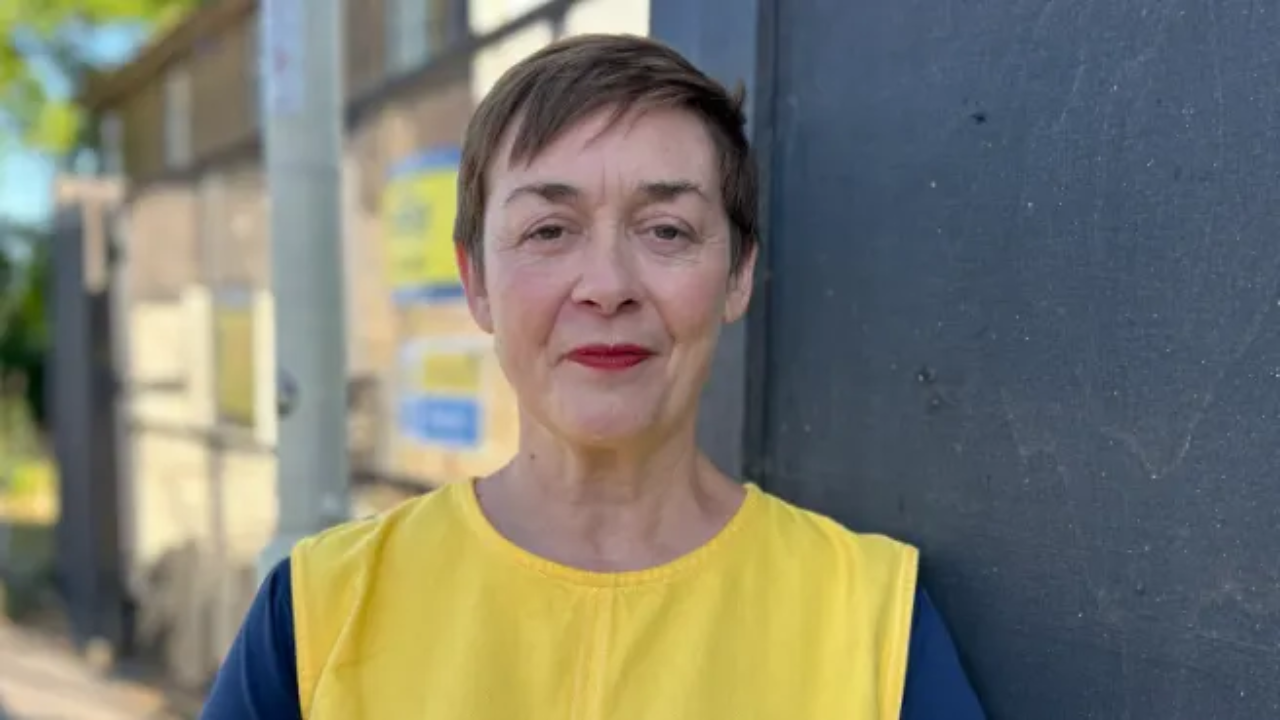
The fire, which spread rapidly due to scaffolding erected to remove unsafe cladding, caused such severe structural damage that the building was subsequently demolished. This left homeowners without any physical property, yet banks continue to collect mortgage payments. Insurance claims are entangled in complex legal and financial processes, leaving residents like Sarah Williams, a charity worker, in a state of anxious waiting. "We're still just stuck waiting for other people to make decisions about our future," Williams stated, highlighting the prolonged lack of resolution.
The situation was further complicated when the building's freeholder, Arinium Ltd, entered administration following the fire. A financial consultancy firm, FRP, was appointed to manage the company's assets and oversee insurance claims. While insurance policies reportedly cover temporary accommodation for up to three years, residents worry about their future once this period ends, especially if final compensation has not been disbursed.
We still haven't got our money, and we have no idea whether it will even cover the value of the flats. We've still got to pay our mortgages. We've still got to pay our rent.
FRP administrators have sought court permission to begin distributing initial insurance payments, describing the case as "incredibly complex." However, they have no control over the private mortgage agreements between residents and their banks. Adding to their distress, some former residents have received bills for unpaid service charges dating back to 2021, with charges for some two-bedroom properties reaching as high as £2,130, despite the homes no longer existing. This ongoing crisis intensifies scrutiny of Britain's building safety policies.
incredibly complex
About this summary
Originally published by Times of India in English. Translated, summarized, and contextualized automatically by DistantNews, with a note on how the source frames the story. Not individually reviewed before publishing. How this works.
More Stories


From Our Blog

What Press Freedom Means for the News You Read

What Gets Lost (and Found) When News Is Translated

The Critical Role of Diaspora Media in Global News

What Travellers Should Know About Countries with Restricted Press

A Digital Nomad's Guide to Following Local News
