


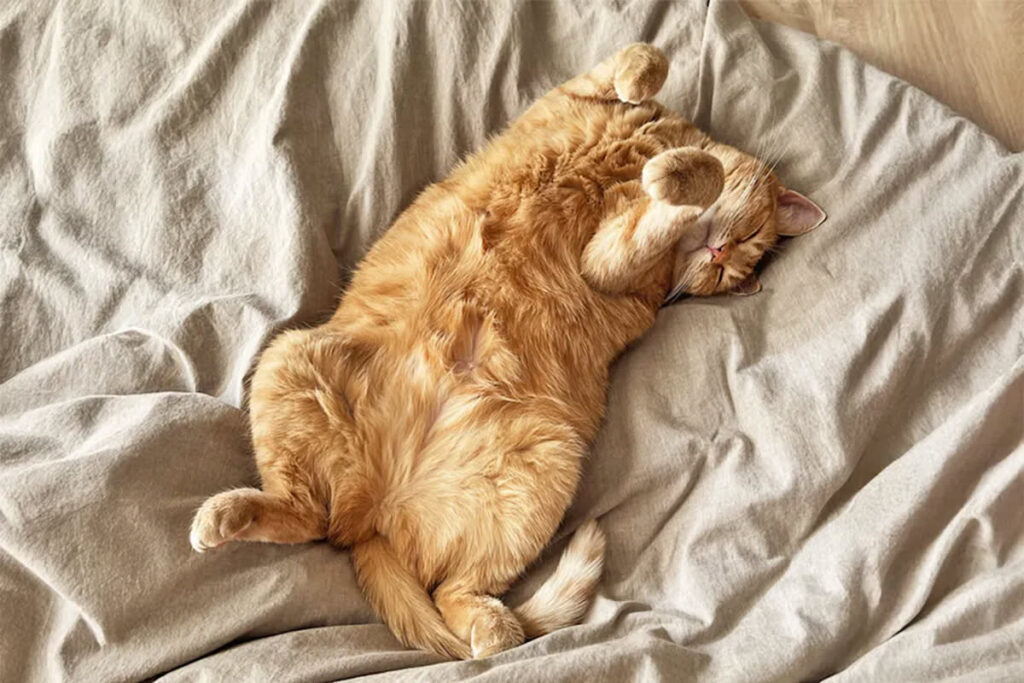
Long Sleep in Cats Is Natural Behavior, Not Laziness
Translated from Malay, summarized and contextualized by DistantNews.
At a glance
In-depth
Named sources
Context piece
- Cats sleep for 12 to 18 hours daily due to their crepuscular nature and carnivorous physiology, which requires significant energy conservation and protein metabolism.
- Kittens and older cats require more sleep, up to 20 hours a day, for growth and due to age-related metabolic slowdown.
- While long sleep is natural, owners should distinguish normal sleeping habits from potential health issues indicated by changes in behavior.
Many cat owners perceive their pets' long sleeping hours as laziness, but veterinary experts explain it's a natural behavior tied to their physiology and lifestyle. Cats are crepuscular, meaning they are most active at dawn and dusk, a trait rooted in their ancestral hunting habits where energy conservation was crucial.
Cats are crepuscular animals, meaning they are species that are most active during twilight hours such as dawn and dusk.
Dr. Nor-Alimah Rahman, a veterinarian at the University Veterinary Hospital, notes that domesticated cats no longer need to hunt for survival, leading to extended sleep periods, especially between meals. Their carnivorous diet, which relies heavily on protein for energy, also influences their sleep patterns. The process of gluconeogenesis, used to generate energy from protein, takes longer, necessitating more rest to replenish energy stores.
Generally, cats need 12 to 18 hours of sleep daily, but this varies by age, activity level, health, and environment. Kittens and senior cats sleep the most, up to 20 hours a day. Kittens require this extended rest for rapid physical and neurological development, while older cats experience slower metabolisms and reduced stamina, leading them to rest more. Studies show older cats have more brief awakenings and less REM sleep.
Pet cats nowadays no longer actively hunt for survival. Therefore, their sleep duration becomes longer and more pronounced, especially between meals.
Despite the natural inclination to sleep, owners must be aware of the difference between normal sleeping habits and signs of illness. Changes in a cat's sleep pattern could indicate underlying health problems, prompting a need for veterinary attention.
Most of these developmental processes occur while the kittens are sleeping.
DistantNews Editorial
Originally published by Utusan Malaysia in Malay. Translated, summarized, and contextualized by our editorial team with added local perspective. Read our editorial standards.
More Stories



From Our Blog

What Gets Lost (and Found) When News Is Translated

The Critical Role of Diaspora Media in Global News

What Travellers Should Know About Countries with Restricted Press

A Digital Nomad's Guide to Following Local News

How the Same Story Looks Different in Different Countries
