


Lost medieval stone manor of Turku bishops found in Finnish excavations
Translated from Finnish, summarized and contextualized by DistantNews.
At a glance
News
Official statement
Outcome reported
- Archaeologists in Finland have discovered the lost medieval stone manor of Turku's bishops in Koroistenranta.
- Excavations revealed a large stone building, possibly with brick, dating from the 14th to 17th centuries, indicating a wealthy owner.
- The manor, abandoned after the Reformation, was later used as a romantic folly in the 17th century, with research continuing in 2027 and 2028.
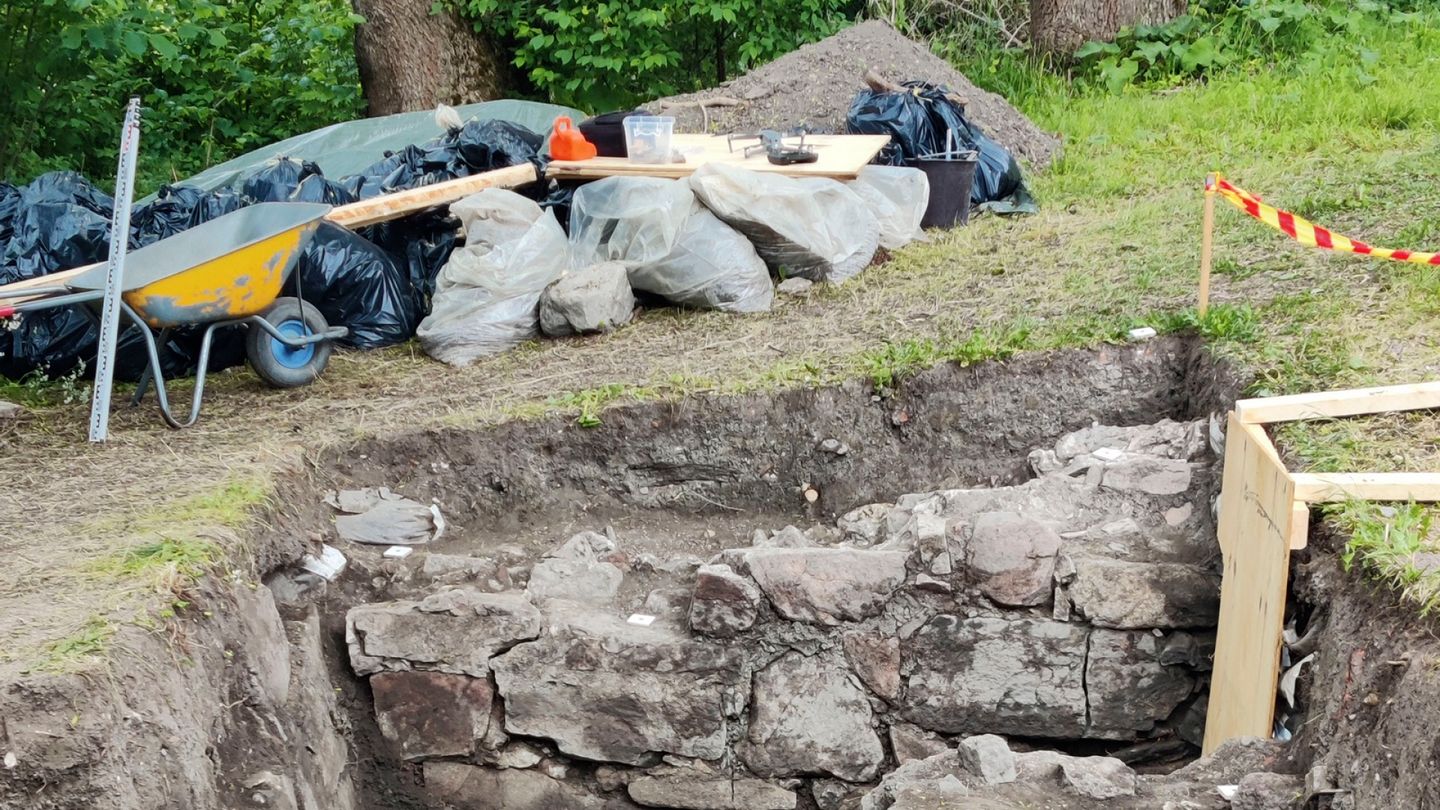
Archaeological excavations in Koroistenranta, Finland, have unearthed the long-lost medieval stone manor of the bishops of Turku. The discovery, announced by the University of Turku, reveals a substantial stone building, potentially with brick elements, that was in use from the 14th century until the early 17th century.
We are not accustomed to seeing remains of such stone houses outside the medieval urban area of Turku.
Initial findings suggest the manor belonged to a wealthy owner, evidenced by decorative elements made of limestone and molded bricks, as well as a tiled stove likely used for heating. A fragment of a Bohemian glass vessel from the late 14th or early 15th century further points to the affluence of its inhabitants. The manor appears to have been abandoned after the Reformation, possibly due to subsidence, though its ruins were used as a romantic folly in the mid-17th century.
Researchers believe the manor was used by bishops like Konrad Bitz and Maunu Särkilahti in the late 15th century. The site of Koroistenranta was historically Finland's first ecclesiastical center, established in the 13th century with a bishop's church and residence before the bishop's seat moved to Turku in the early 14th century. Although the center became deserted by the early 15th century, a bishop's farm and rented land remained in the area until the 16th century. The Koroisten estate remained church property until the 1980s.
Based on the findings, the building was in use from the 15th century to the first half of the 17th century. The building showed signs of a fire, but the reason for its abandonment was likely subsidence caused by the ground.
The excavations, conducted as part of an archaeological field course, exceeded expectations. The research team plans to continue investigations in 2027 and 2028, aiming to further uncover the history of this significant medieval structure.
The research results obtained now have exceeded expectations in every way.
DistantNews Editorial
Originally published by Helsingin Sanomat in Finnish. Translated, summarized, and contextualized by our editorial team with added local perspective. Read our editorial standards.
More Stories


From Our Blog

What Gets Lost (and Found) When News Is Translated

The Critical Role of Diaspora Media in Global News

What Travellers Should Know About Countries with Restricted Press

A Digital Nomad's Guide to Following Local News

How the Same Story Looks Different in Different Countries
