

Low Awareness Leaves Tourette Syndrome Sufferers Marginalized
Translated from Malay, summarized and contextualized by DistantNews.
At a glance
News
Sources not specified
Context piece
- Tourette syndrome, a neurological disorder causing involuntary tics, is poorly understood in Malaysia, leading to stigma and marginalization.
- An estimated 0.3% of Malaysians may have Tourette syndrome, potentially affecting over 100,000 individuals, yet awareness remains low.
- Tics are often misconstrued as rudeness or deliberate actions, with many mistaking them for 'melatah' (sudden involuntary reactions), hindering proper diagnosis and support.
The film 'Hichki,' starring Rani Mukerji, portrays the struggles of Naina, a teacher with Tourette syndrome, highlighting the societal prejudice faced by individuals with the condition. Naina's journey, from being denied teaching opportunities due to her tics to facing mockery from students, underscores the broader issue of stigma and misunderstanding surrounding Tourette syndrome.
Tourette syndrome is a neurological disorder first identified by French doctor Georges Gilles de la Tourette in 1885. It is classified as one of three types of tic disorders, alongside motor tic disorder and vocal tic disorder. Tics are sudden, repetitive, and uncontrollable movements or sounds. Motor tics can manifest as frequent eye blinking, head jerking, shoulder shrugging, or specific facial expressions. Vocal tics involve making sounds like throat clearing, coughing, grunting, or repeating certain words.
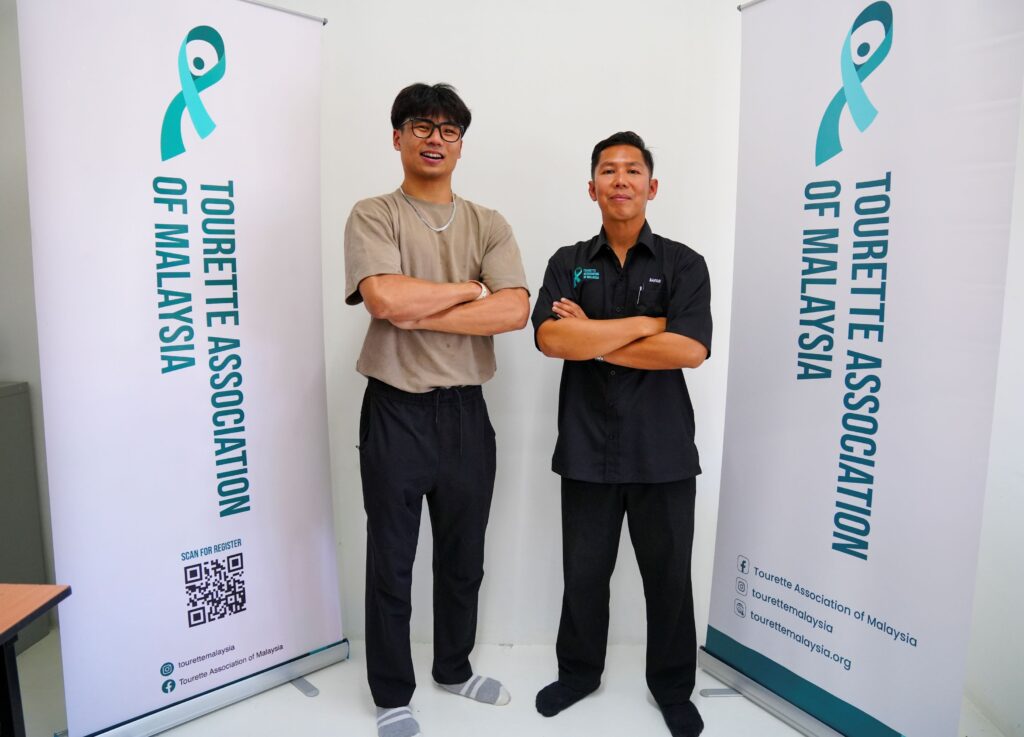
The defining characteristic of Tourette syndrome is the presence of both motor and vocal tics for at least a year. However, many individuals with the condition struggle to live normally due to societal judgment. Mohd Subri Safar Mohd, Chairman of the Tourette Association of Malaysia (TAM), stated that public awareness of Tourette syndrome remains alarmingly low, despite an estimated 0.3% of Malaysians potentially having the condition. This could mean over 100,000 individuals in Malaysia are affected, based on a population of 34.3 million.
Compounding the issue, Mohd Subri noted that the tics experienced by those with Tourette syndrome are frequently misinterpreted. They are often seen as rude behavior, peculiar actions, or intentional displays. This misunderstanding is particularly pronounced as many in society incorrectly associate Tourette symptoms with 'melatah' (sudden involuntary reactions), when in fact, it is a neurological disorder requiring expert evaluation. The low rate of diagnosis further exacerbates the problem, leaving the true number of Tourette syndrome sufferers in the country unknown.
DistantNews Editorial
Originally published by Utusan Malaysia in Malay. Translated, summarized, and contextualized by our editorial team with added local perspective. Read our editorial standards.
More Stories


From Our Blog

What Gets Lost (and Found) When News Is Translated

The Critical Role of Diaspora Media in Global News

What Travellers Should Know About Countries with Restricted Press

A Digital Nomad's Guide to Following Local News

How the Same Story Looks Different in Different Countries
