

Low water levels put fish in danger in Germany
Translated from German, summarized and contextualized by DistantNews.
At a glance
News
From a news agency
Context piece
- Low water levels in Rhineland-Palatinate are creating dangerous conditions for fish, with smaller streams drying up.
- Fish face a deadly combination of heat, oxygen depletion, and concentrated pollutants due to the drought.
- Cold-water species like trout and grayling, as well as juvenile salmon, are particularly vulnerable, leading to local ecological collapses.
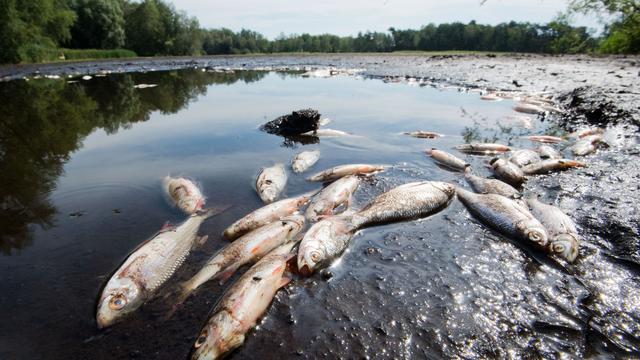
Fish in Rhineland-Palatinate are facing life-threatening conditions due to critically low water levels, particularly in smaller tributaries and streams that are drying up or reduced to isolated pools. This situation creates a dangerous mix of high temperatures, oxygen scarcity, and concentrated pollutants, threatening aquatic ecosystems.
Low water levels currently dominate the situation in many waters in Rhineland-Palatinate.
The state fisheries association of Rhineland-Palatinate reports that the situation is especially dire in smaller and medium-sized tributaries of the Rhine, Moselle, Lahn, and Nahe rivers. According to aquatic ecologist Frank Steinmann, local ecological collapses and fish die-offs are already occurring. These events risk the loss of entire year classes and populations of sensitive species.
Low water levels exacerbate the problem by causing water to warm up faster, reducing its capacity to hold oxygen. As flow decreases, less oxygen enters the water, a problem amplified by weirs that create stagnant conditions. Steinmann notes that in sections of the Lahn and Nahe rivers with naturally slow currents, the water is heating up rapidly. Furthermore, the reduced water volume diminishes its ability to dilute pollutants from sources like wastewater treatment plants, leading to higher concentrations of nutrients and pharmaceutical residues.
Particularly in tributaries and streams, the chances of survival are slim.
Cold-water species, such as brown trout and grayling, along with juvenile Atlantic salmon that rely on cool tributaries for growth, are particularly at risk. Smaller streams also serve as crucial refuges, spawning grounds, and nurseries for many species. The loss of these habitats can impact fish populations in larger rivers. Even species like carp and perch, which often seek cooler streams in hot summers, are now suffering from heat-related losses, with large individuals in shallow waters struggling with oxygen deprivation. The isolated pools that remain when streams dry up offer only temporary respite, quickly becoming warm, oxygen-poor traps where fish are crowded together.
This combination of multiple stress factors – heat, oxygen deficiency, pollutants – is currently causing ecosystems to tip over.
DistantNews Editorial
Originally published by Die Zeit in German. Translated, summarized, and contextualized by our editorial team with added local perspective. Read our editorial standards.
More Stories

From Our Blog

What Gets Lost (and Found) When News Is Translated

How the Same Story Looks Different in Different Countries

The Critical Role of Diaspora Media in Global News

What Travellers Should Know About Countries with Restricted Press

A Digital Nomad's Guide to Following Local News
