

Low water levels transform Rhine, exposing new hazards
Translated from German, summarized and contextualized by DistantNews.
At a glance
News
Sources not specified
Context piece
- Extreme low water levels on the Rhine River, caused by summer drought, have exposed new sandbanks and old bombs.
- Ferry operator Heinz-Dieter Kimpel and his son Andre describe unprecedented conditions, with ferry services halted due to shallow water.
- The low water levels are impacting shipping, tourism, and local livelihoods along one of the world's busiest waterways.
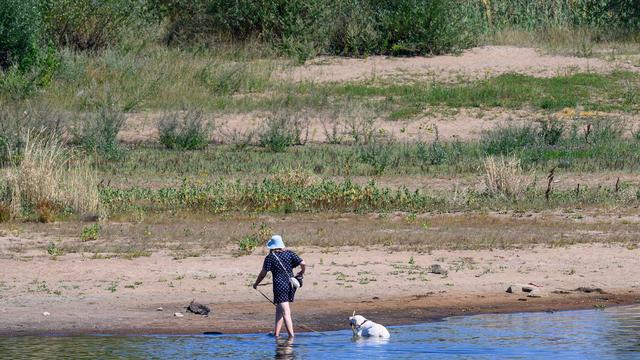
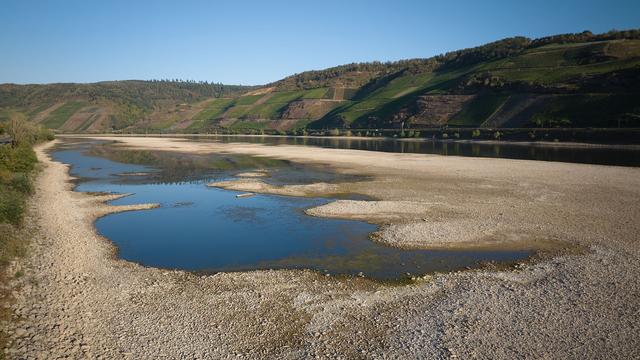
The Rhine River is experiencing unprecedented low water levels due to prolonged summer drought, transforming its landscape and disrupting life along one of the world's busiest waterways. At Kaub, a town in the Middle Rhine Valley, the water level has fallen to historic lows, impacting ferry services and revealing previously submerged features.
My grandfather and father were already inland skippers, I myself sailed the ferry here for 25 years and now my son is doing it. But no one in the family has ever experienced such extreme low water due to drought. I couldn't have imagined that.
Heinz-Dieter Kimpel, an 83-year-old resident of Kaub with a family history of river transport, stated he had never witnessed such extreme low water. His son, Andre Kimpel, who operates the local car ferry, was forced to cease operations on August 10. "Too little water, too much risk," he explained, concerned about damaging his ferry's propellers by grounding it. The ferry, a vital link for commuters, now sits idle at the bank, with further planned maintenance in October and November set to extend the disruption.
The receding waters have exposed numerous sand and gravel banks, including the vast Jungferngrund near Oberwesel. Shipping traffic has significantly decreased, with cargo ships carrying reduced loads. Large hotel ships are also absent, unable to navigate the shallow depths. Some tourists are being rerouted by bus or alternative routes, according to industry sources. While tributaries like the Main and Mosel rivers are less affected due to their lock systems, the Rhine's main channel faces severe challenges.
Too little water, too much risk. I don't want to run aground with my two propellers and damage them. The drive costs 25,000 euros.
Beyond the economic impact on shipping and tourism, the low water levels pose other risks. The exposed riverbed has revealed old bombs, a dangerous legacy of past conflicts. Residents like Heinz-Dieter Kimpel lament the diminished scenic beauty, noting the scarcity of passing ships. The situation highlights the vulnerability of major European waterways to climate change-induced droughts, with potential for conditions to worsen before improving.
There is hardly anything to look at anymore. Only rarely do freight ships still sail, with little cargo. Larger hotel ships are missing, they can hardly reduce their draft.
DistantNews Editorial
Originally published by Die Zeit in German. Translated, summarized, and contextualized by our editorial team with added local perspective. Read our editorial standards.
More Stories



From Our Blog

What Gets Lost (and Found) When News Is Translated

How the Same Story Looks Different in Different Countries

The Critical Role of Diaspora Media in Global News

What Travellers Should Know About Countries with Restricted Press

A Digital Nomad's Guide to Following Local News
