


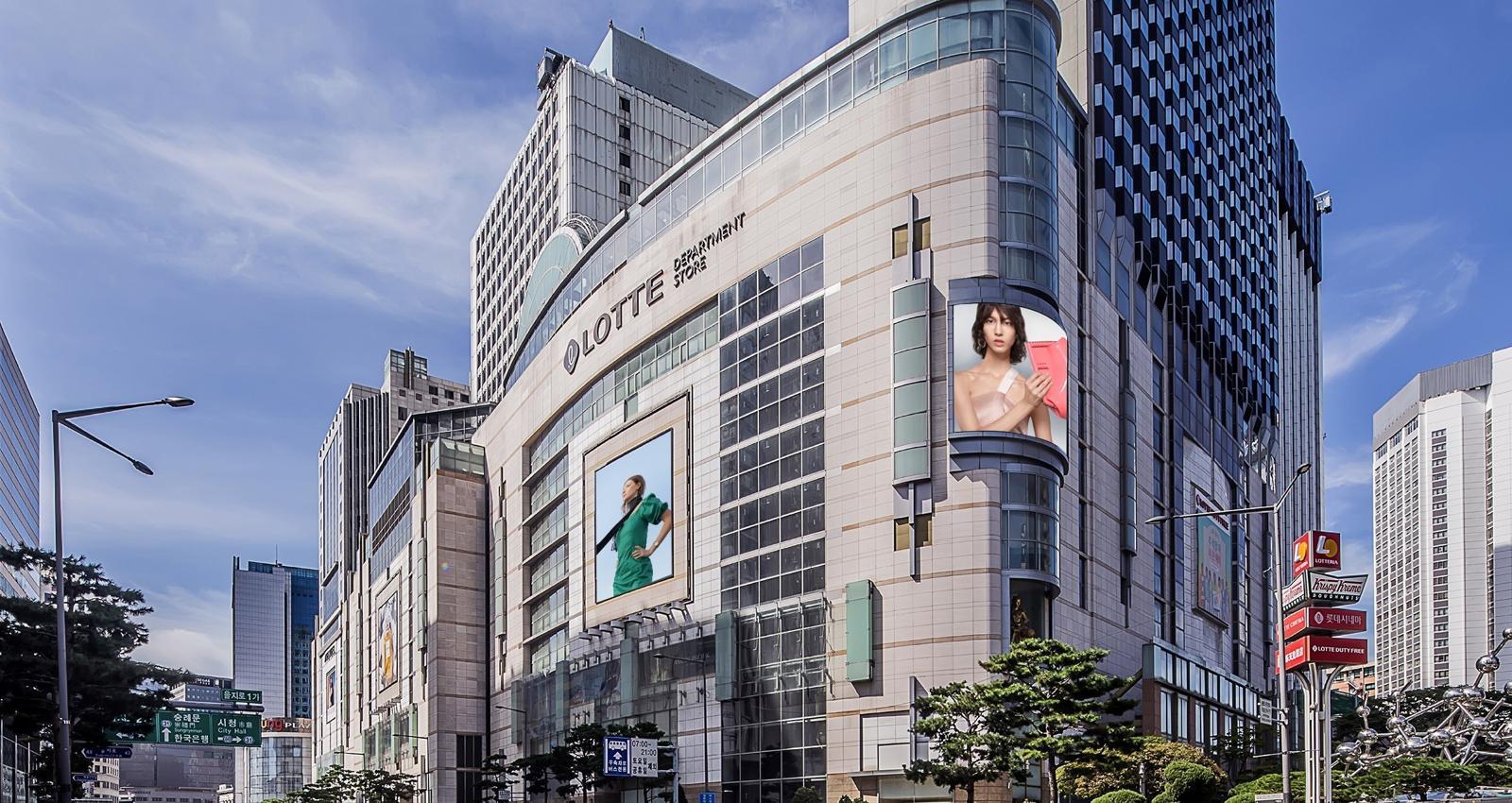
Luxury Goods and Tourists Boost Department Store Profits in South Korea
Translated from Korean, summarized and contextualized by DistantNews.
At a glance
News
Named sources
Context piece
- South Korea's major department stores, including Lotte, Shinsegae, and Hyundai, reported strong first-half financial results, with operating profit growing significantly faster than sales.
- This profit surge was driven by robust sales of luxury goods and fashion items, alongside a substantial increase in spending by foreign tourists.
- While the trend is positive, uncertainty remains for the second half due to market volatility and potential impacts of high interest rates and inflation on consumer spending.
South Korea's leading department store chains, Lotte, Shinsegae, and Hyundai, have reported a strong performance in the first half of the year, marked by a significant improvement in profitability. Operating profits surged considerably more than sales, indicating enhanced efficiency and a favorable sales mix.
Lotte Department Store saw its first-half domestic sales climb 8.4% year-on-year to 1.69 trillion won, with operating profit soaring by 54.8% to 295.9 billion won. Shinsegae Department Store's sales increased by 14.9% to 1.48 trillion won, while its operating profit rose 39.7% to 249.9 billion won. Hyundai Department Store also experienced growth, with sales up 8.3% to 1.28 trillion won and operating profit jumping 47.7% to 246 billion won.
The key drivers behind this impressive financial performance were the strong sales of high-margin luxury goods and fashion items, coupled with a significant rebound in spending by foreign tourists. Shinsegae reported a 35% increase in luxury sales and a 10.1% rise in fashion sales. Foreign tourist spending saw a dramatic increase, with Shinsegae experiencing a 120% surge, Lotte Department Store up 92% in the first quarter, and The Hyundai Seoul up 121%.
Department stores benefit greatly from operating leverage, where increased sales translate into disproportionately larger profit gains due to high fixed costs like rent and labor. Store optimization and a focus on profitability also contributed to the improved bottom line. However, the outlook for the second half remains uncertain. Increased volatility in domestic and international stock markets could weaken the asset effect that supported luxury and high-end fashion spending in the first half. Additionally, the persistent effects of high interest rates and inflation on consumer spending patterns pose a potential challenge.
DistantNews Editorial
Originally published by Dong-A Ilbo in Korean. Translated, summarized, and contextualized by our editorial team with added local perspective. Read our editorial standards.
More Stories


From Our Blog

What Gets Lost (and Found) When News Is Translated

The Critical Role of Diaspora Media in Global News

What Travellers Should Know About Countries with Restricted Press

A Digital Nomad's Guide to Following Local News

How the Same Story Looks Different in Different Countries
