

Magyar's Post-Election Moves Raise Alarms Over Rule of Law and Economy
Translated from Hungarian, summarized and contextualized by DistantNews.
TLDR
- A Hungarian journalist warns that Peter Magyar's Tisza Party government may phase out price caps on food and fuel, leading to price increases.
- The journalist criticizes Magyar's post-election threats against constitutional institutions and his call for the president's resignation as unacceptable in a rule-of-law state.
- Concerns are raised about Magyar's potential impact on freedom of speech and press, with the author predicting a "government of revenge."
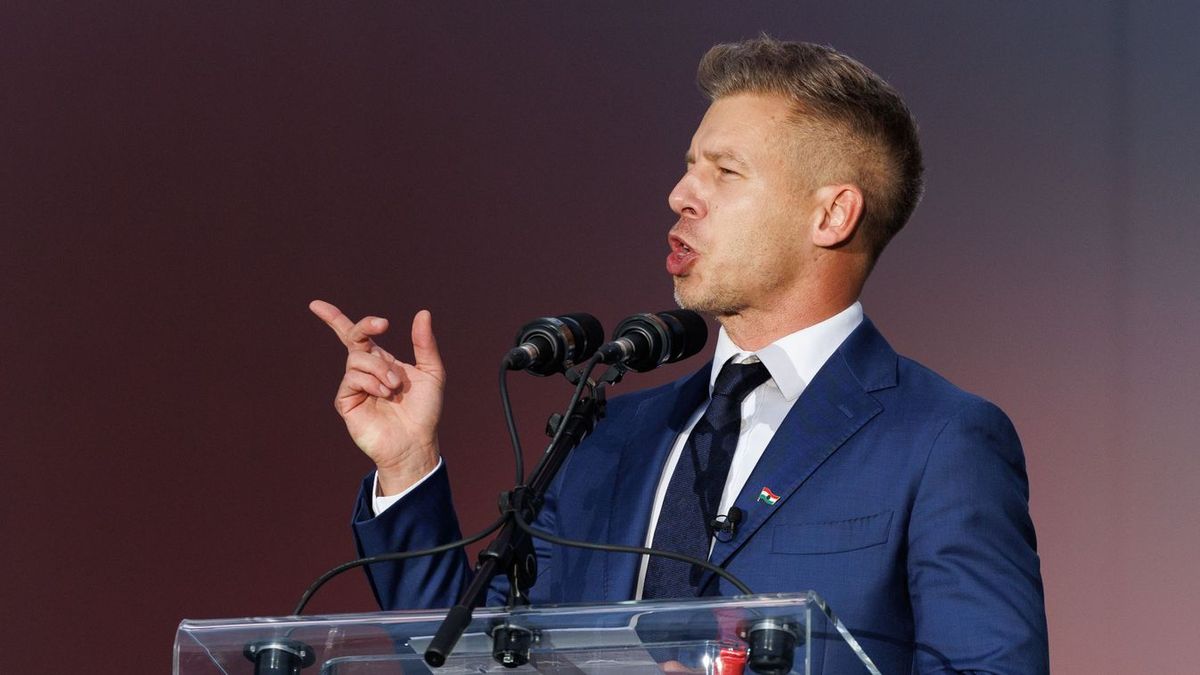
The recent electoral success of Peter Magyar's Tisza Party has been met with significant apprehension by observers like Hunor Hoppal writing for Mandiner. Hoppal points to expert analysis suggesting that the new government will likely dismantle the current food price margin cap and protected fuel pricing mechanisms. Such a move, he argues, would inevitably lead to a sharp rise in the cost of essential goods and energy, with fuel prices potentially soaring to around 850 forints per liter. The sustainability of household utility price cuts also remains a pressing question.
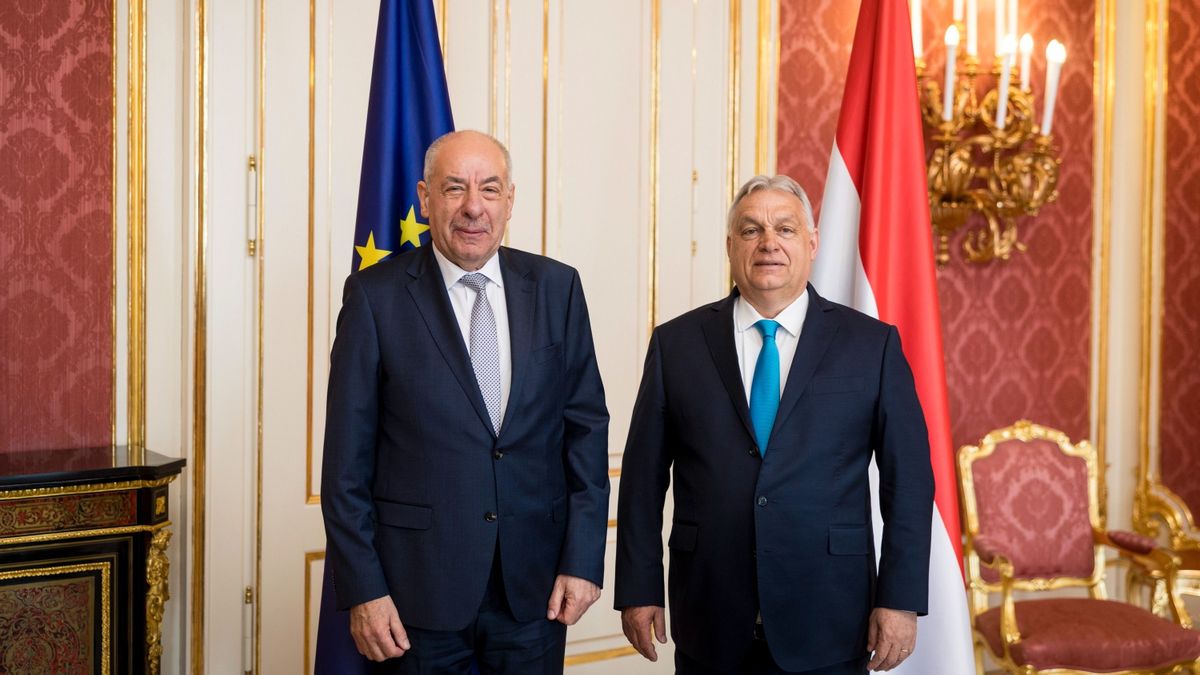
Furthermore, Hoppal expresses deep concern over Magyar's conduct following the election victory. The journalist highlights Magyar's public calls for the resignation of the president of the republic, deeming such actions "unacceptable in a state governed by the rule of law." This is contrasted with historical precedents, noting that even Viktor Orbán, during his first premiership, did not seek to undermine the head of state in a similar fashion. The notion of retroactively banning the outgoing prime minister from future elections is described as "outright tragic," representing a fundamental threat to legal principles.
The article also scrutinizes Magyar's rapid engagement with international affairs, particularly his swift cooperation with Ukrainian President Volodymyr Zelensky. The resumption of oil transit through the Druzhba pipeline, announced shortly after the election, is presented with skepticism, given that Ukraine had previously cited technical reasons for its suspension. Hoppal suggests that these developments, occurring so soon after the vote, warrant closer examination.
From a Hungarian perspective, as articulated by Mandiner, these developments signal a potential shift towards a more confrontational and less stable political landscape. The journalist's critical tone reflects a deep-seated concern about the erosion of democratic norms and the rule of law. Unlike Western reporting, which might focus on the electoral outcome itself, this analysis delves into the potential domestic consequences, emphasizing the threat to established institutions and the very fabric of Hungarian governance. The author concludes with a stark warning, anticipating a "government of revenge" from a leader who, despite benefiting from state positions, has never before held governing power.
I see that Fake News TV is here as well, it has not been shut down yet.
DistantNews Editorial
Originally published by Magyar Nemzet in Hungarian. Translated, summarized, and contextualized by our editorial team with added local perspective. Read our editorial standards.
More Stories
From Our Blog

Countries Without a Free Press: What You Need to Know

What Press Freedom Means for the News You Read

What Gets Lost (and Found) When News Is Translated

The Critical Role of Diaspora Media in Global News

What Travellers Should Know About Countries with Restricted Press
