

Malaysia considers new income group definitions beyond B40, M40, T20
Translated from Malay, summarized and contextualized by DistantNews.
At a glance
News
Official statement
New plan
- Malaysia's government is considering new methods to define B40, M40, and T20 income groups.
- Current classifications based solely on gross income do not reflect actual household financial burdens due to varying costs of living.
- The proposed changes aim for a more inclusive and equitable system for future development plans.
Malaysia's government is exploring new approaches to classify households into income groups, moving beyond the current B40, M40, and T20 categories. The Ministry of Economy announced that these considerations are part of the upcoming 13th Malaysia Plan (RMK13), which covers the period from 2026 to 2030.
The current system, which relies solely on gross household income, is seen as insufficient. Officials acknowledge that it fails to capture the true financial strain on households, which is influenced by factors such as location, demographics, spending patterns, and the varying cost of living across different areas. The goal is to create a more inclusive and equitable classification system.
The government is considering more inclusive and equitable methods for determining target groups, which will be part of the RMK13 agenda.
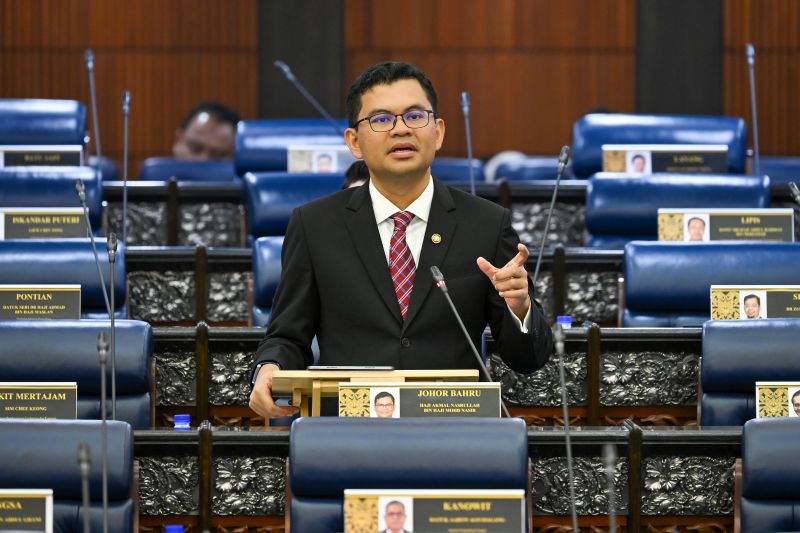
This initiative responds to a parliamentary question from Datuk Dr Ku Abdul Rahman Ku Ismail (PN-Kubang Pasu), who inquired about the timeline for implementing new socioeconomic classifications to replace the existing B40, M40, and T20 tiers. Currently, national poverty line income (PGK) thresholds, set at RM2,705 in 2024, are still used for social assistance and poverty-related aid. The B40, M40, and T20 classifications remain in use for statistical analysis and social program targeting.
This step aims to complement classifications based solely on gross income, which do not reflect the actual financial burden of households due to differences in locality, demographics, spending patterns, and cost of living.
Among the methods being examined is the use of Net Disposable Income (NDI). This approach considers gross household income after deducting mandatory contributions like Employees Provident Fund (EPF), Social Security Organization (PERKESO), income tax, and religious tithes (zakat). Additionally, the proposed methodology would incorporate the Cost of Basic Needs (PAKW) based on locality, demographics, household spending habits, and the prices of goods and services.
The Ministry of Economy stated that these efforts aim to provide a more accurate reflection of household financial well-being, ensuring that government assistance and development planning are more effectively targeted and equitable for all segments of society.
NDI approach goes beyond gross income assessment by considering household gross income minus statutory deductions such as EPF, PERKESO, income tax, and zakat.
DistantNews Editorial
Originally published by Utusan Malaysia in Malay. Translated, summarized, and contextualized by our editorial team with added local perspective. Read our editorial standards.
More Stories

From Our Blog

What Gets Lost (and Found) When News Is Translated

The Critical Role of Diaspora Media in Global News

What Travellers Should Know About Countries with Restricted Press

A Digital Nomad's Guide to Following Local News

How the Same Story Looks Different in Different Countries
