

Malaysia developing mechanism to ban import of forced labor products
Translated from Malay, summarized and contextualized by DistantNews.
At a glance
News
Sources not specified
Context piece
- Malaysia is developing a mechanism to ban the import of goods produced by forced labor, aiming to comply with international trade regulations and trade partners' rules.
- The move is partly a response to a potential 10% indicative tariff from the United States on Malaysian goods due to forced labor concerns.
- An inter-agency task force has been established to study and draft the necessary mechanism, involving multiple ministries and government agencies.
Malaysia is proactively developing a mechanism to prohibit the import of goods manufactured through forced labor. This initiative aims to strengthen compliance with international trade regulations and meet the requirements of its trading partners. The government recognizes the absence of existing laws and mechanisms specifically addressing this issue.
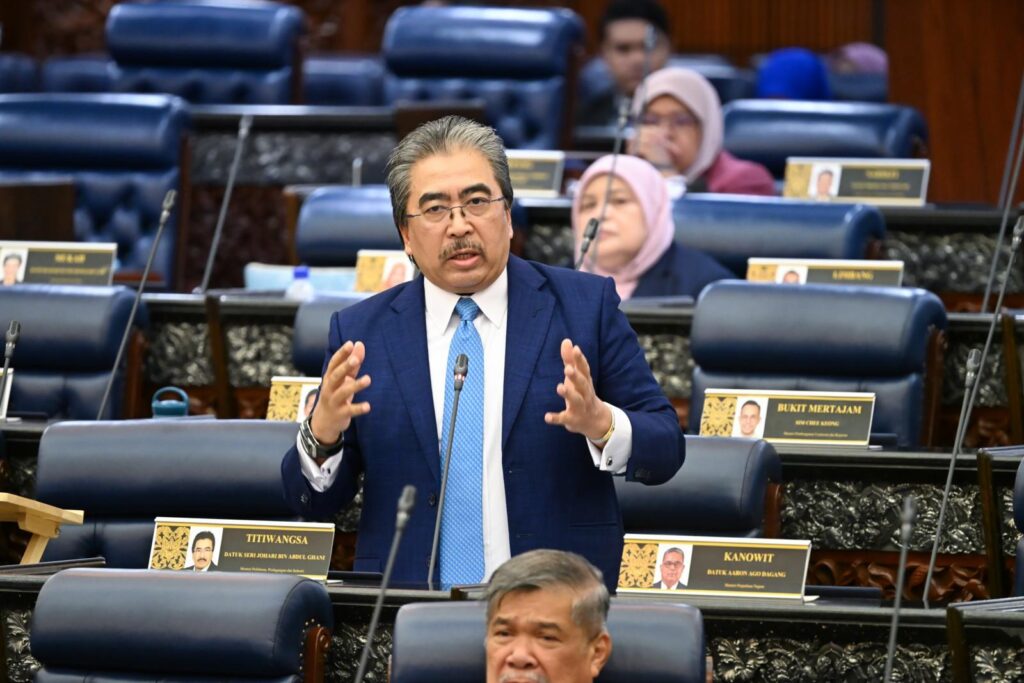
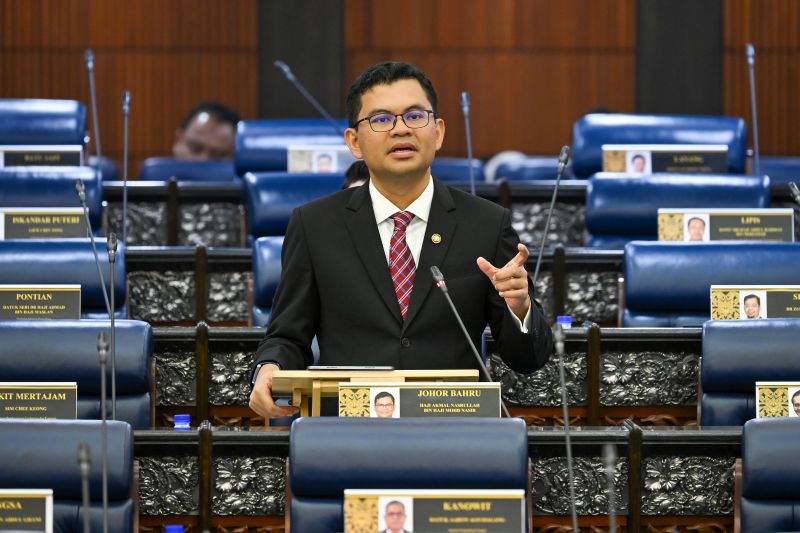
A significant driver for this development is the ongoing investigation by the United States under Section 301, which could lead to a potential 10% indicative tariff on Malaysian imports after July 24. Minister of Investment, Trade and Industry, Datuk Seri Johari Abdul Ghani, indicated that the investigation into forced labor is nearing completion, while the market access investigation is still ongoing. The potential tariff underscores the urgency for Malaysia to address these concerns.
The investigation related to forced labor is almost complete, and the US has indicated that after July 24, it is highly likely that the US will impose an indicative tariff of 10 percent on us for this issue.
To formulate the necessary mechanism, the government has established an Inter-Agency Task Force on Forced Labor (IATFL). This task force, chaired by the Ministry of Investment, Trade and Industry (MITI), includes representatives from the Ministry of Finance, Ministry of Foreign Affairs, Ministry of Home Affairs, Ministry of Human Resources, and Ministry of Transport. Several government agencies are also involved, including the Attorney General's Chambers, Customs Department, Border Control and Protection Agency, police, and investment and trade promotion agencies. Failure to engage with the US on this matter could have negative economic implications, potentially making Malaysian products less competitive due to additional tariffs imposed by the US.
When there is no engagement, we will face the risk where the US considers this tariff to be unilateral. Unilateral means, if we export goods, we have already given the price to the importer in the US. When it reaches the US, they will add another 19 percent to impose on their citizens, not us.
DistantNews Editorial
Originally published by Utusan Malaysia in Malay. Translated, summarized, and contextualized by our editorial team with added local perspective. Read our editorial standards.
More Stories
From Our Blog

What Gets Lost (and Found) When News Is Translated

The Critical Role of Diaspora Media in Global News

What Travellers Should Know About Countries with Restricted Press

A Digital Nomad's Guide to Following Local News

How the Same Story Looks Different in Different Countries
