


Malaysia PM Anwar vows faster reforms after electoral defeats
Summarized and contextualized by DistantNews.
At a glance
News
Named sources
Context piece
- Malaysian Prime Minister Anwar Ibrahim pledged to accelerate reforms and strengthen anti-corruption efforts following recent electoral setbacks.
- He acknowledged public frustration over living costs, stating that positive economic growth figures have not translated into improved public sentiment.
- Anwar faces potential challenges from within his coalition, including a decision by the Democratic Action Party on its government roles.
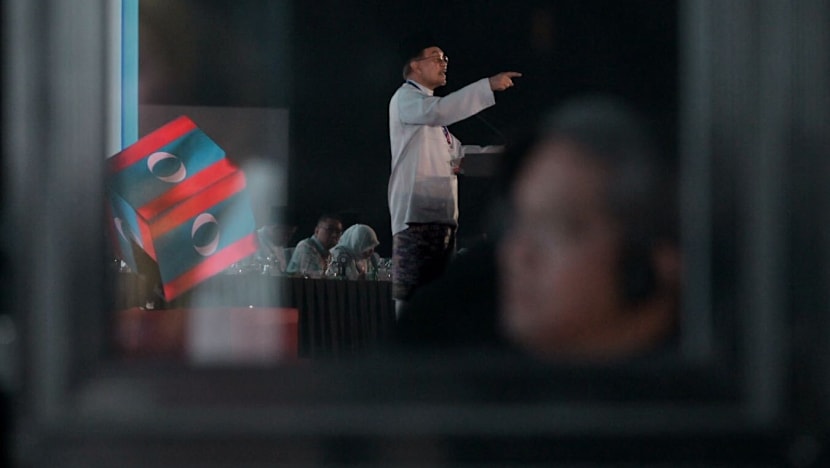
Malaysian Prime Minister Anwar Ibrahim vowed on Aug. 15 to speed up reforms and bolster an anti-corruption drive, seeking to regain public trust after a series of electoral defeats and party departures. He acknowledged that his administration has fallen short in ways that have frustrated Malaysians.
Despite economic growth of 6 percent last quarter and low unemployment, Anwar admitted that Malaysians are struggling with the high cost of living. "The economic numbers are not winning the hearts of the people," he stated at the annual congress of his party, Parti Keadilan Rakyat (PKR). Anwar, who also serves as PKR president, noted that while some demands are pressing, reforms must be implemented in stages and consider the dynamics of the ruling coalition.
I know some people are demanding, but reforms cannot be rushed, it has to be done in stages and must take into account other parties in the ruling coalition.
The PKR and the Pakatan Harapan (PH) coalition, led by Anwar, experienced poor results in three consecutive state elections in Sabah, Johor, and Negeri Sembilan. Notably, PKR lost control of Negeri Sembilan, reducing its seats from the chief minister's office to just two in the 36-seat assembly. Barisan Nasional, Anwar's federal partner and a former electoral rival, along with its allies, secured substantial majorities in Johor and Negeri Sembilan at PH's expense.
The economic numbers are not winning the hearts of the people.
"The message of the people has been clear" following these losses, Anwar remarked in Malacca state, which is scheduled for local elections by January. The prime minister, who had previously considered calling a snap general election as early as October 2026, now indicates he is not rushing to the polls after these setbacks. The national election is due by February 2028. Anwar expressed satisfaction with the current political stability after three years in office and committed to pursuing reforms more aggressively.
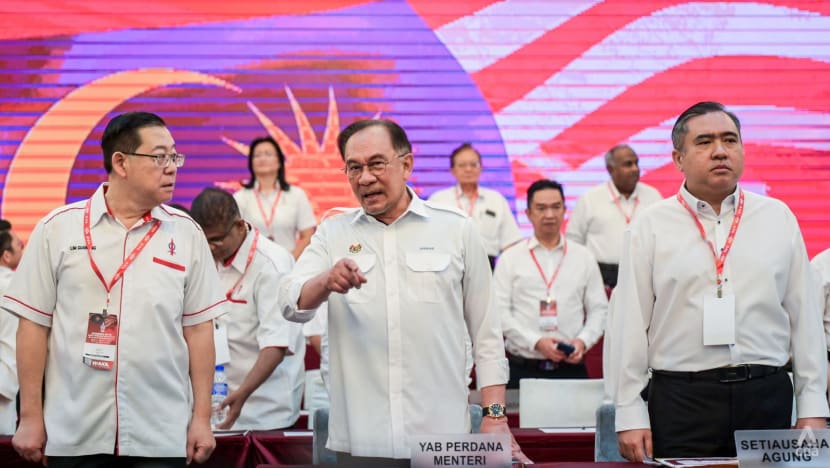
He pledged to investigate any potential wrongdoing within the Federal Land Development Authority, Malaysia's agricultural development agency, amid an ongoing probe into mismanagement at the Muslim pilgrimage fund, Tabung Haji. Anwar also promised to repeal a law governing public universities to expand democratic space, though specific details were not provided. He is expected to address party members' concerns at the close of the PKR congress on Aug. 16. A potential test arises as the Democratic Action Party (DAP), PH's largest component, will decide at its congress whether to relinquish government posts and support Anwar only from the backbenches. The DAP holds five Cabinet positions in Anwar's administration; such a move would necessitate a Cabinet reshuffle and could shift more portfolios to BN.
The message of the people has been clear
DistantNews Editorial
Originally published by The Straits Times. Summarized and contextualized by our editorial team with added local perspective. Read our editorial standards.
More Stories


From Our Blog

What Gets Lost (and Found) When News Is Translated

The Critical Role of Diaspora Media in Global News

What Travellers Should Know About Countries with Restricted Press

A Digital Nomad's Guide to Following Local News

How the Same Story Looks Different in Different Countries
