


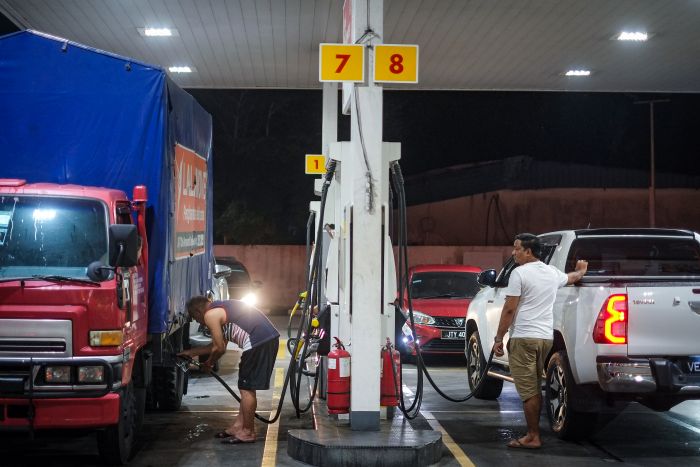
Malaysia's BUDI Madani Diesel Program to Benefit 700,000 Owners, Inflation Impact Seen as Limited
Translated from Malay, summarized and contextualized by DistantNews.
At a glance
News
Named sources
New plan
- Malaysia's BUDI Madani Diesel program aims to provide diesel subsidies to approximately 700,000 eligible vehicle owners, potentially saving RM2 billion annually.
- Analysts believe the program's impact on inflation will remain limited, despite its broad reach.
- The new system, linked to MyKad, replaces the previous cash assistance program and aims for greater efficiency and targeted subsidies.
Malaysia's Ministry of Finance has launched the BUDI Madani Diesel program, an initiative designed to extend diesel subsidies to an estimated 700,000 eligible vehicle owners nationwide. This program is projected to generate annual savings of around RM2 billion. TA Securities Holdings Bhd noted that this initiative represents the next phase in the government's targeted fuel subsidy reform agenda, following the initial rollout of BUDI95. The new mechanism, which utilizes MyKad for eligibility, will replace the former Individual Diesel Subsidy Assistance Program that provided a monthly cash aid of RM200 to about 180,000 recipients. The revised system is anticipated to benefit a significantly larger group, comprising approximately 400,000 diesel vehicle owners in Peninsular Malaysia and 300,000 in Sabah and Sarawak. By directly linking subsidy eligibility to actual fuel consumption rather than fixed cash transfers, policymakers aim for a more efficient and targeted approach, thereby reducing the risk of leakage. Currently, diesel is sold at a subsidized rate of RM2.15 per liter in Sabah and Sarawak, while consumers in Peninsular Malaysia pay the market retail price of RM4.37 per liter. However, starting July 1, 2026, eligible Malaysians across the country will receive diesel at a subsidized price of RM2.10 per liter for B10 biodiesel blends and above, with B7 remaining unsubsidized. Eligibility criteria include Malaysian citizenship, a valid MyKad, a driver's license, and a diesel vehicle registered in the applicant's name with a valid road tax. The diesel subsidy quota is integrated with the existing BUDI95 scheme, capping combined subsidized RON95 petrol and diesel usage at 200 liters per month, a change from previous separate quotas. The Ministry of Finance stated that this 200-liter quota is expected to suffice for the majority of users, as nearly 90% consume less than this amount monthly, and approximately 95% of diesel users consume under 300 liters per month. Individuals with higher needs can apply for an additional 100 liters per month via the BUDI Diesel portal, subject to case-by-case review. TA Securities added that this additional quota aims to support micro, small, and medium enterprises (MSMEs) and individuals in rural and remote areas who typically travel longer distances. The government has also expanded the Subsidized Diesel Control System (SKDS) 2.0 to include commercial pickup trucks and four-wheel-drive vehicles, increasing the number of eligible vehicle categories from 33 to 35, potentially benefiting an additional 82,000 vehicles.
DistantNews Editorial
Originally published by Utusan Malaysia in Malay. Translated, summarized, and contextualized by our editorial team with added local perspective. Read our editorial standards.
More Stories

From Our Blog

What Gets Lost (and Found) When News Is Translated

The Critical Role of Diaspora Media in Global News

What Travellers Should Know About Countries with Restricted Press

A Digital Nomad's Guide to Following Local News

How the Same Story Looks Different in Different Countries
