


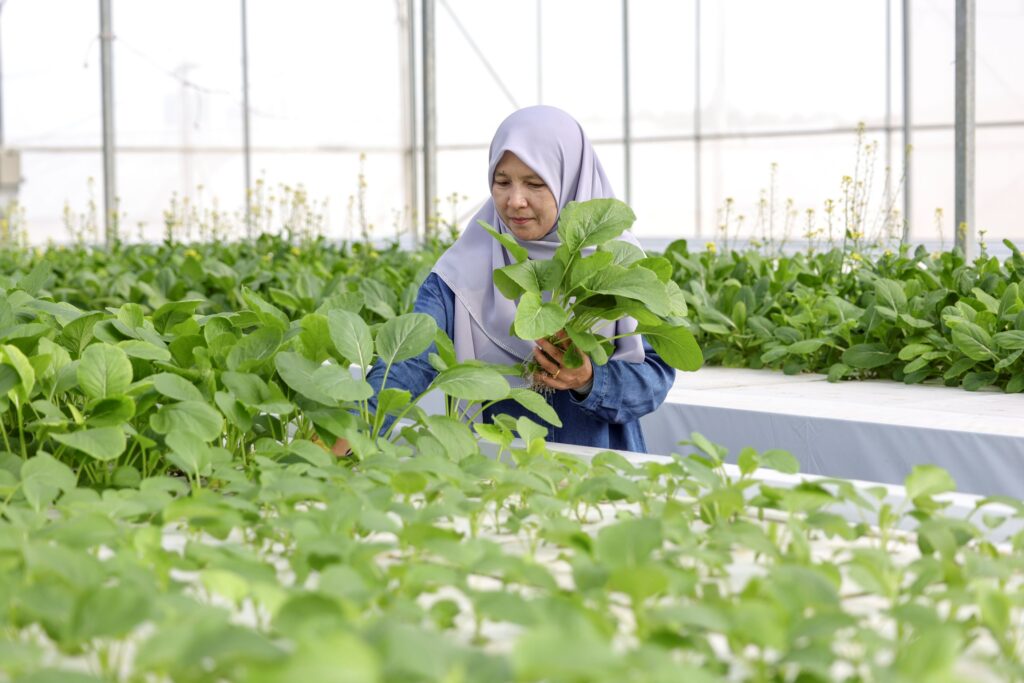
Malaysia's Food Security Faces Global Conflict Risks
Translated from Malay, summarized and contextualized by DistantNews.
At a glance
News
Sources not specified
Context piece
- Global geopolitical tensions, particularly in West Asia, are raising concerns about the stability of the world's food system.
- Malaysia faces potential pressure on its food supply chain due to rising energy and logistics costs, impacting food production and distribution.
- Universiti Putra Malaysia is researching ways to enhance the resilience of the agro-food system to mitigate these challenges.
Geopolitical tensions in West Asia are casting a shadow over the global food system, raising concerns about potential disruptions to supply chains. While Malaysia has not yet felt the full impact, rising energy and logistics costs are expected to strain its food supply.
Universiti Putra Malaysia (UPM), a leading institution in agriculture and food security, is actively engaged in research and innovation to bolster the nation's agrifood system. Its multidisciplinary expertise covers the entire food value chain, from production and processing to food safety and evidence-based policy development.
Modern food production heavily relies on energy, with fuel, fertilizers, irrigation, machinery, and logistics all contributing to costs. Increased energy prices directly affect food production and distribution expenses. This is particularly significant for Malaysia, which depends on imports for essential food items like rice, dairy, and red meat.
The crisis impacts food security in four key dimensions: availability, accessibility, utilization, and stability. Higher production costs can lead to reduced use of agricultural inputs, lowering yields. Increased transportation costs translate to higher food prices, eroding household purchasing power, especially for low and middle-income families. Consumers may shift to cheaper, less nutritious food, affecting dietary diversity and long-term health. As an import-dependent nation, Malaysia is vulnerable to international supply chain disruptions and price volatility.
To address these challenges, Malaysia needs a combination of short-term and long-term strategies. Immediate priorities include stabilizing prices, ensuring adequate food supplies, and protecting vulnerable populations through targeted subsidies and strengthening buffer stocks. The nation's resilience has limits if the crisis persists, necessitating urgent action.
DistantNews Editorial
Originally published by Utusan Malaysia in Malay. Translated, summarized, and contextualized by our editorial team with added local perspective. Read our editorial standards.
More Stories


From Our Blog

What Gets Lost (and Found) When News Is Translated

The Critical Role of Diaspora Media in Global News

What Travellers Should Know About Countries with Restricted Press

A Digital Nomad's Guide to Following Local News

How the Same Story Looks Different in Different Countries
