


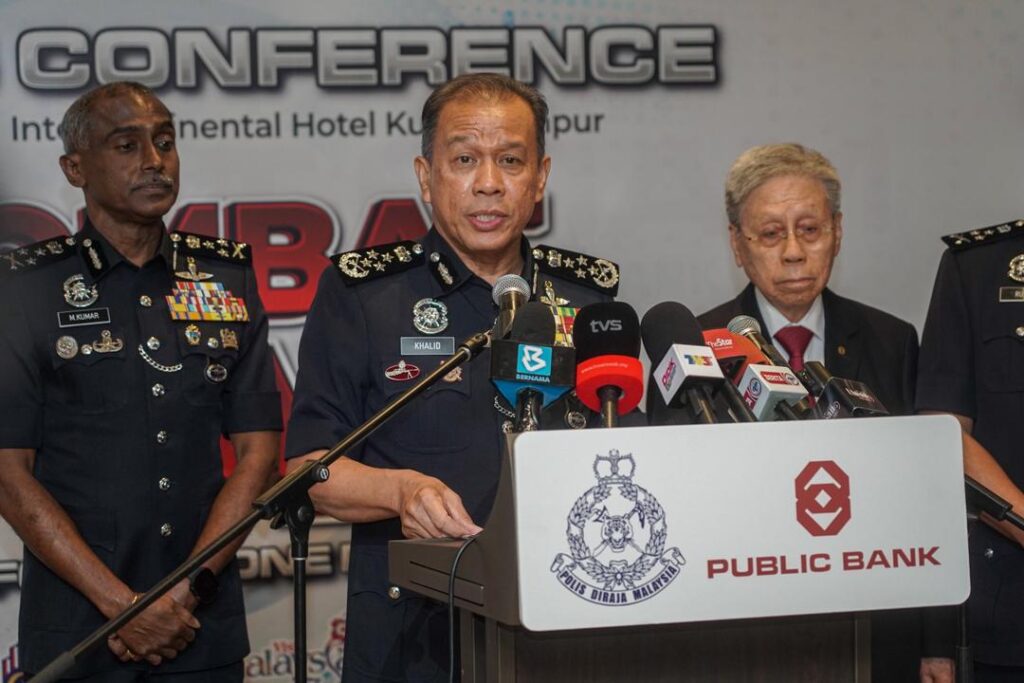
Malaysia's refugee resettlement to third countries significantly slowed, halted
Translated from Malay, summarized and contextualized by DistantNews.
At a glance
News
Named sources
Context piece
- Malaysia previously facilitated the resettlement of 7,000 to 8,000 refugees annually to third countries.
- This process has significantly slowed and largely halted due to various challenges and constraints.
- The Rohingya issue is an international concern stemming from political and humanitarian conflicts in Myanmar, with Malaysia adopting a humanitarian approach.
Malaysia's role in resettling refugees to third countries has drastically diminished, with the annual transfer of 7,000 to 8,000 individuals now severely limited and practically stopped. This slowdown affects primarily Rohingya refugees, who were previously integrated into third countries through bilateral agreements.
Tan Sri Mohd. Khalid Ismail, the Inspector-General of Police, acknowledged the various obstacles that have impeded the resettlement process. He explained that Malaysia had established government-to-government (G2G) agreements with several nations to manage refugee placements. Under these arrangements, Rohingya refugees arriving in Malaysia received temporary shelter before being sent to third countries requiring their skills, whether in professional sectors or as labor.
However, recently, the resettlement process to third countries has been observed to be slowing down significantly due to various challenges and constraints that have arisen.
"However, recently, the resettlement process to third countries has been observed to be slowing down significantly due to various challenges and constraints that have arisen," Mohd. Khalid stated at a press conference. "This situation has caused the movement of Rohingya refugees to recipient countries to halt or proceed very slowly."
Mohd. Khalid further elaborated that the Rohingya situation is an international issue rooted in political and humanitarian conflicts within Myanmar. He affirmed that Malaysia, as a free and non-aligned nation, has taken a humanitarian stance by accepting Rohingya refugees and providing them with temporary protection.
This situation has caused the movement of Rohingya refugees to recipient countries to halt or proceed very slowly.
DistantNews Editorial
Originally published by Utusan Malaysia in Malay. Translated, summarized, and contextualized by our editorial team with added local perspective. Read our editorial standards.
More Stories

From Our Blog

What Gets Lost (and Found) When News Is Translated

The Critical Role of Diaspora Media in Global News

What Travellers Should Know About Countries with Restricted Press

A Digital Nomad's Guide to Following Local News

How the Same Story Looks Different in Different Countries
