


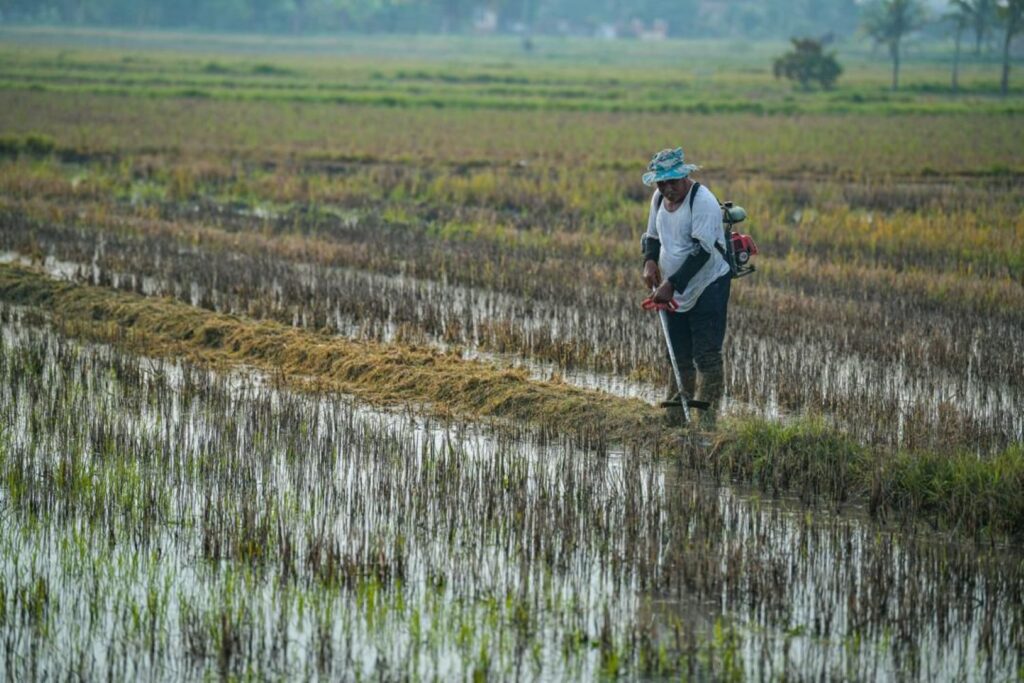
Malaysia's rice self-sufficiency rate declines
Translated from Malay, summarized and contextualized by DistantNews.
At a glance
News
Documents & data
Context piece
- Malaysia's rice self-sufficiency rate (SSR) has shown a worrying downward trend, falling from 62.1% in 2020 to 52.9% in 2024.
- This decline has increased the country's reliance on imports to meet nearly half of its rice needs.
- The consistent drop over the past five years raises concerns about national food security.
Malaysia's rice self-sufficiency rate (SSR) is on a worrying downward trend, declining from 62.1% in 2020 to 52.9% in 2024. This consistent decrease over the past five years has led to increased reliance on imports, with the nation now needing to import nearly half of its rice supply.
The rate has steadily fallen from 62.1% in 2020 to 60.9% in 2021, 57.9% in 2022, and 56.2% in 2023, before reaching 52.9% in 2024. This persistent decline is a cause for significant concern regarding national food security and the country's ability to sustain its own population.
The diminishing self-sufficiency in rice production highlights a critical challenge for Malaysia. The increasing dependence on imports makes the nation vulnerable to global market fluctuations and supply chain disruptions. Further analysis is needed to understand the root causes of this trend and to develop strategies to reverse it.
DistantNews Editorial
Originally published by Utusan Malaysia in Malay. Translated, summarized, and contextualized by our editorial team with added local perspective. Read our editorial standards.
More Stories



From Our Blog

What Gets Lost (and Found) When News Is Translated

The Critical Role of Diaspora Media in Global News

What Travellers Should Know About Countries with Restricted Press

A Digital Nomad's Guide to Following Local News

How the Same Story Looks Different in Different Countries
