


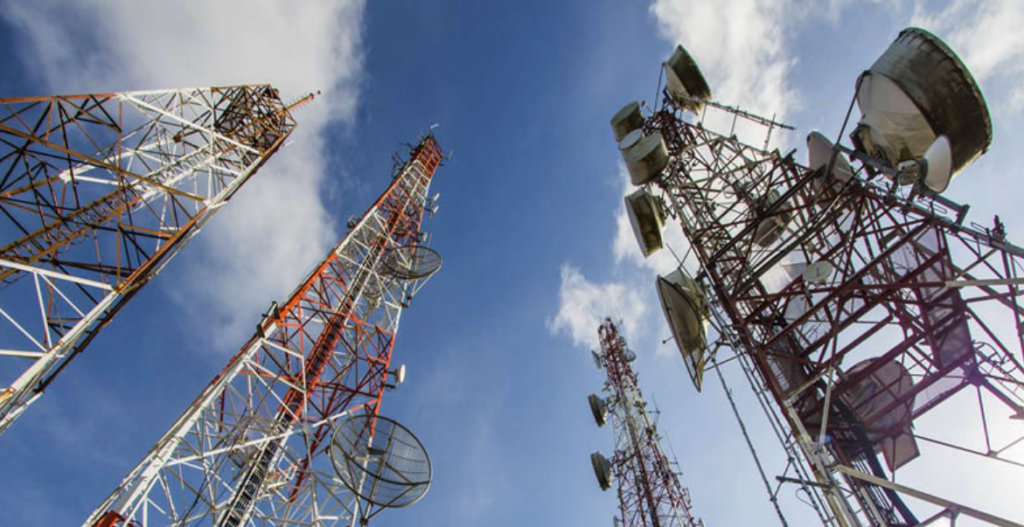
Malaysia's telecom sector set for Q2 2026 improvement on seasonal boost, service growth
Translated from Malay, summarized and contextualized by DistantNews.
At a glance
News
Named sources
Context piece
- Malaysia's telecommunications sector is expected to improve in the second quarter of 2026 due to seasonal factors, increased mobile service monetization, and sustained demand for fiber optic connections.
- Analysts anticipate investor focus on the Mandatory Standard on Access Pricing (MSAP) review and the transfer of Digital Nasional Berhad (DNB) shares, expected to conclude in the third quarter.
- The sector showed strong performance in early 2026, with core earnings per share growth between 4-12%, though some companies saw dividend decreases.
Malaysia's telecommunications industry is poised for a stronger second quarter in 2026. Analysts at CIMB Securities predict improved performance, driven by seasonal trends, enhanced mobile service monetization, and continued demand for fiber optic connectivity. Investors are also closely watching the upcoming review of the Mandatory Standard on Access Pricing (MSAP), scheduled for September and to be finalized by December 2026.
investors are also expected to focus on the Mandatory Standard on Access Pricing (MSAP) review scheduled to begin next September before being finalized by December 2026.
A significant development expected this year is the transfer of shares in Digital Nasional Berhad (DNB) from the Ministry of Finance to major telcos Maxis, CelcomDigi, and YTL Power. This transaction is slated for completion in the third quarter. Following the deal, the involved companies will begin recognizing their share of DNB's net losses through equity accounting.
After the transaction is completed, the telecommunications companies involved will have to start recognizing their share of DNB's net losses through equity accounting.
The sector's first quarter of fiscal year 2026 demonstrated robust growth, with all covered telcos reporting core earnings per share (EPS) increases ranging from 4% to 12% year-on-year. Maxis showed the strongest performance, while CelcomDigi Berhad (CDB) shared its first-ever cost savings target of RM465 million for FY2026. Despite this, CDB maintained its guidance for low single-digit earnings before interest and taxes (EBIT) growth for the current fiscal year.
Maxis recorded the strongest performance among the covered telecommunications companies, while CelcomDigi Berhad (CDB) for the first time shared its profit and loss (P&L) cost savings target of RM465 million for fiscal year 2026.
CDB's first-quarter dividend per share (DPS) declined by 8% compared to the previous year, falling below market expectations due to a lower payout ratio of 95% versus 113% in Q1 2025. TM, meanwhile, declared its first quarterly DPS of 6.5 sen, with a payout ratio of 78%, aligning with its revised dividend policy. CIMB Securities maintains an "overweight" rating on the sector, with TM as its top pick, and expects continued improvement in the prepaid segment due to a more positive competitive sentiment.
However, the company still maintained its earnings before interest and taxes (EBIT) growth guidance at a low single-digit rate for the current fiscal year.
DistantNews Editorial
Originally published by Utusan Malaysia in Malay. Translated, summarized, and contextualized by our editorial team with added local perspective. Read our editorial standards.
More Stories


From Our Blog

What Gets Lost (and Found) When News Is Translated

The Critical Role of Diaspora Media in Global News

What Travellers Should Know About Countries with Restricted Press

A Digital Nomad's Guide to Following Local News

How the Same Story Looks Different in Different Countries
