


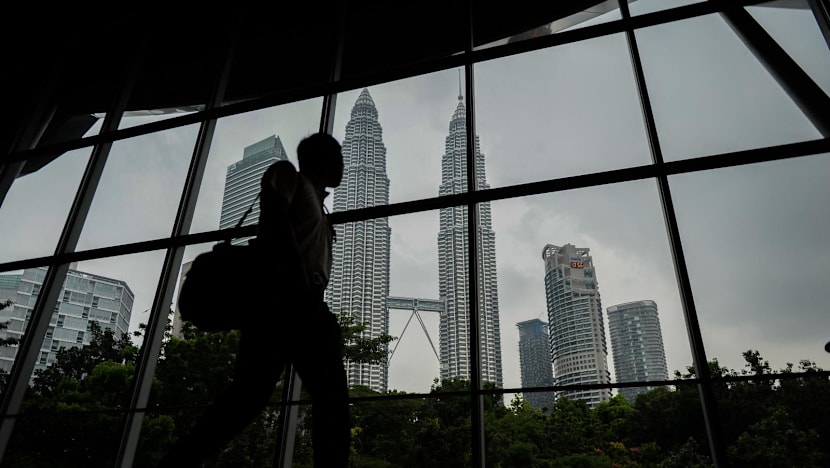
Malaysia’s wage growth lags behind GDP as ‘top firms are not scaling’ – what gives?
Summarized and contextualized by DistantNews.
At a glance
News
Official statement
Context piece
- Malaysia's wage growth has lagged behind its GDP growth since 2010, according to a World Bank report.
- The report attributes this disparity partly to top firms in the country not scaling up their operations.
- This trend raises questions about the effectiveness of economic policies in translating growth into better wages for workers.
Malaysia's economic expansion has not translated into commensurate wage increases for its workforce, with wage growth significantly lagging behind its gross domestic product (GDP) growth since 2010. A recent World Bank report highlights this persistent issue, pointing to a key factor: major companies in the country are not scaling up.
The World Bank's findings suggest that while Malaysia's overall economy has been growing, the benefits are not being broadly shared through improved compensation. The report specifically identifies a lack of scaling among top firms as a contributing reason for this wage stagnation. This implies that productivity gains and corporate successes are not being effectively channeled into higher salaries or better benefits for employees.
This economic disconnect raises critical questions about the drivers of Malaysia's growth and the mechanisms through which prosperity is distributed. Experts are examining what strategies could encourage larger firms to expand their operations, potentially leading to job creation and increased demand for labor, which could, in turn, drive up wages. The situation underscores a need for policies that ensure economic development leads to improved living standards for all Malaysians.
DistantNews Editorial
Originally published by CNA. Summarized and contextualized by our editorial team with added local perspective. Read our editorial standards.
More Stories



From Our Blog

What Gets Lost (and Found) When News Is Translated

The Critical Role of Diaspora Media in Global News

What Travellers Should Know About Countries with Restricted Press

A Digital Nomad's Guide to Following Local News

How the Same Story Looks Different in Different Countries
