

Malaysia's Waste-to-Energy Plants Spark Environmental Worries
Translated from Vietnamese, summarized and contextualized by DistantNews.
At a glance
News
Named sources
Ongoing story
- Malaysia plans to operate 18 waste-to-energy plants, aiming to generate 600MW of renewable energy and meet its 2050 target of 70% renewable energy usage.
- Environmental groups express concerns about potential air pollution from fly ash and toxic byproducts, questioning the "zero landfill" claims and urging stricter monitoring.
- While some plants are operational, new projects face local opposition due to worries about health, environmental impact, and geological stability, prompting calls for better waste sorting and management.
Kuala Lumpur, Malaysia – Malaysia is moving forward with plans to operate 18 waste-to-energy (WTE) plants nationwide, a move intended to tackle the country's mounting waste crisis and contribute to its energy needs. The initiative aims to generate 600MW of renewable energy, a significant step toward the national goal of achieving 70% renewable energy capacity by 2050.
However, the ambitious project is met with considerable apprehension from environmental organizations and local communities. A proposed $1 billion WTE plant in Batu Arang, Selangor, has already gathered over 12,000 signatures in opposition. Residents and groups like Greenpeace Malaysia are concerned about the potential negative impacts on public health, the environment, and local traffic, especially given the plant's proximity to a large residential area and its location on a former coal mine site, raising questions about geological stability.
Environmental advocates criticize the "zero landfill" slogan often associated with WTE plants, arguing it can be a form of "greenwashing." They point out that WTE processes still produce fly ash, which requires disposal, and other toxic byproducts. Without stringent management, these substances could contaminate the air and harm public health. Critics also highlight a perceived lack of transparent emissions data, independent monitoring mechanisms, and accountability for violations.
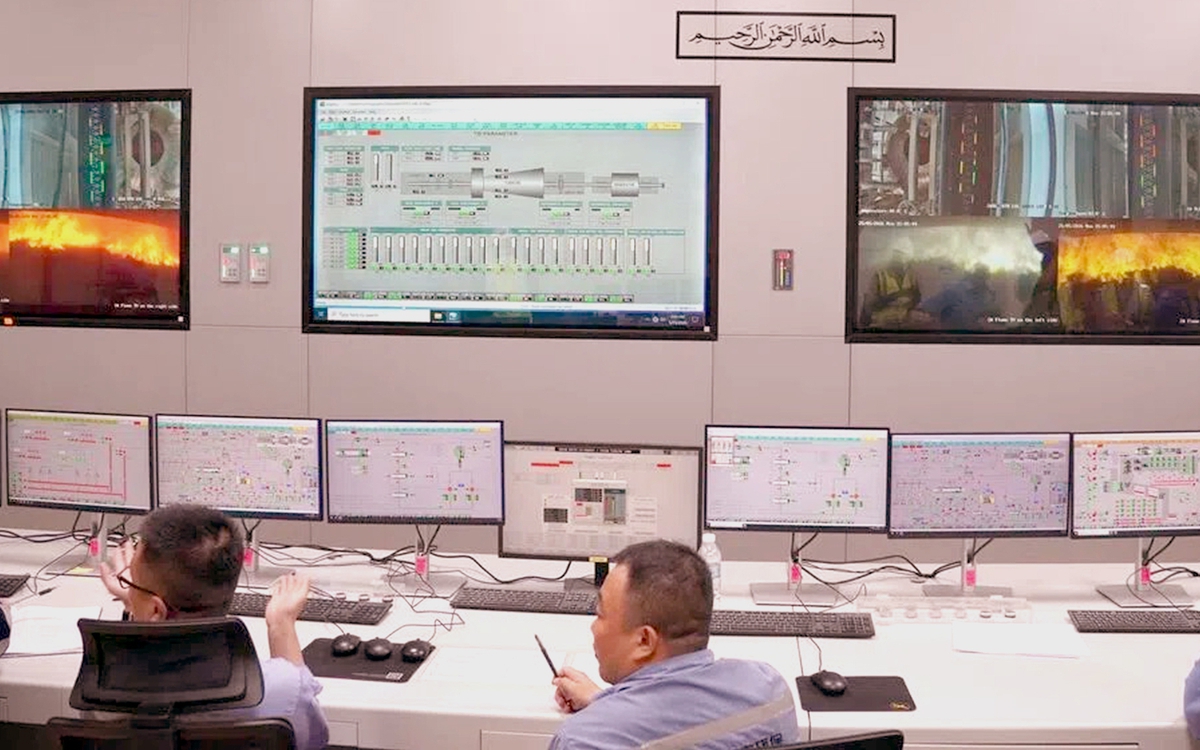
Greenpeace Malaysia suggests prioritizing waste sorting at the source, with organic waste directed to composting facilities, recyclables recovered, and construction waste managed through specialized reuse systems. While the Batu Arang project remains contentious, the Jeram WTE plant in Selangor has begun operations, exceeding its initial power generation targets. The operator claims that less toxic bottom ash will be recycled for construction materials, while hazardous fly ash will be filtered and solidified before disposal. The success and environmental safety of these plants remain under close scrutiny as Malaysia pursues its renewable energy ambitions.
The slogan 'zero landfill' is used to make waste-to-energy plants seem more environmentally friendly, but in reality, the plants still produce fly ash that needs to be landfilled.
DistantNews Editorial
Originally published by Tuổi Trẻ in Vietnamese. Translated, summarized, and contextualized by our editorial team with added local perspective. Read our editorial standards.
More Stories


From Our Blog

What Gets Lost (and Found) When News Is Translated

The Critical Role of Diaspora Media in Global News

What Travellers Should Know About Countries with Restricted Press

A Digital Nomad's Guide to Following Local News

How the Same Story Looks Different in Different Countries
