


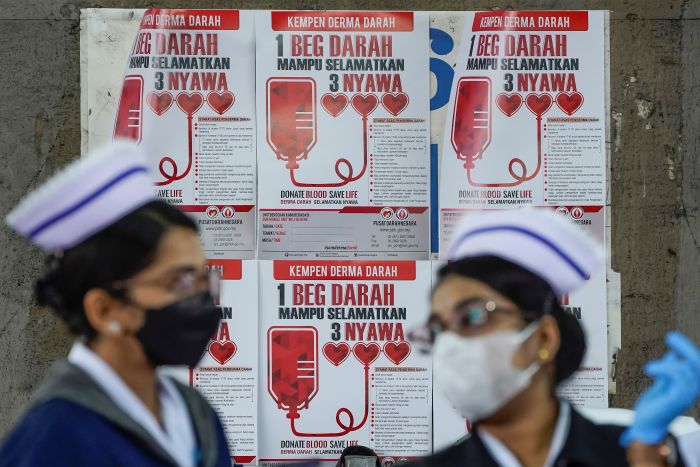
Malaysia Tackles Blood Donation Myths Amidst Critical Supply Needs
Translated from Malay, summarized and contextualized by DistantNews.
At a glance
News
Sources not specified
Context piece
- Malaysia needs 2,000 to 2,500 units of blood daily, but relies heavily on regular donors as blood components have short shelf lives.
- Common myths about blood donation, such as weakness and infection risk, are debunked by health protocols and the body's ability to replenish blood.
- Donating blood regularly can benefit the donor's health and allows one unit of blood to help multiple patients through component separation.
Malaysia faces a critical need for consistent blood donations, requiring 2,000 to 2,500 units daily, as vital components like red blood cells and platelets have very short shelf lives. While statistics show a commitment from regular donors, a continuous supply is essential to prevent shortages that could impact patient treatment.
The body only loses about 450 ml of blood during the donation process, a small amount compared to the total blood volume in the body.
Despite the ongoing need, many hesitate to donate due to persistent myths. One common misconception is that blood donation causes weakness. However, the body only loses about 450 ml, a small amount that is naturally replenished within days or weeks. Most donors can resume normal activities shortly after resting.
Concerns about infection are also widespread, but health authorities emphasize that all equipment, including needles and blood bags, is sterile and single-use. The risk of infection is virtually zero due to strict protocols set by the Ministry of Health and the National Blood Center. Donors undergo health screenings, and collected blood is rigorously tested for diseases like HIV, hepatitis B and C, and syphilis before use.
All equipment used during the donation process is sterile and single-use, including needles and blood bags that are never recycled.
Another myth suggests only perfectly healthy individuals can donate. The primary requirement is simply being healthy on the day of donation, along with meeting age (18-60) and minimum weight criteria. Furthermore, the idea that donated blood is not fully utilized is false. Each unit is processed into components like plasma, platelets, and red blood cells, allowing a single donation to assist multiple patients. Plasma treats clotting disorders, platelets aid cancer patients, and red blood cells are vital for surgery or accident victims.
Only blood that is free from any infection will be used.
Studies suggest regular blood donation may also reduce the risk of certain diseases and provide donors with a means to monitor their own health. The article urges Malaysians to renew their commitment to making blood donation a continuous lifestyle choice.
With this method, one bag of blood can help more than one patient.
DistantNews Editorial
Originally published by Utusan Malaysia in Malay. Translated, summarized, and contextualized by our editorial team with added local perspective. Read our editorial standards.
More Stories

From Our Blog

What Gets Lost (and Found) When News Is Translated

The Critical Role of Diaspora Media in Global News

What Travellers Should Know About Countries with Restricted Press

A Digital Nomad's Guide to Following Local News

How the Same Story Looks Different in Different Countries
