

Malaysia urged to levy courier plastics to curb e-commerce pollution
Translated from Malay, summarized and contextualized by DistantNews.
At a glance
News
Named sources
Context piece
- Malaysian environmental researchers urge the government to implement a special levy on courier plastics to combat pollution from e-commerce.
- They also propose increasing the plastic bag charge from 20 sen to RM1 to reduce plastic waste.
- Experts believe these measures will encourage eco-friendly packaging and fund environmental conservation efforts.
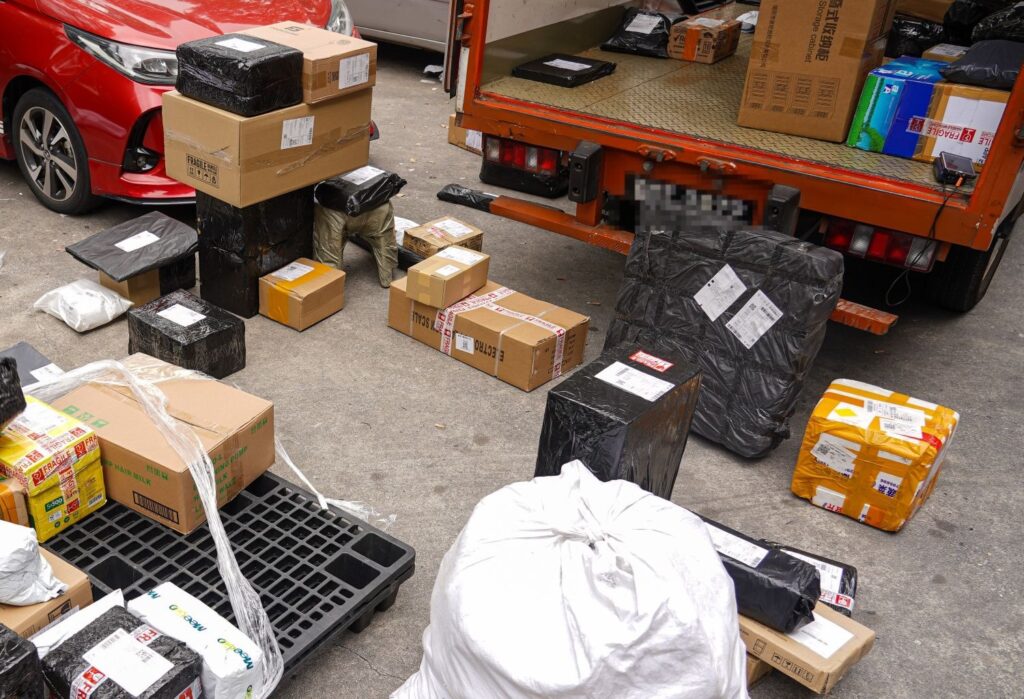
Environmental researchers in Malaysia are calling for urgent government action to curb escalating pollution caused by the booming e-commerce sector. They propose implementing a special levy on courier plastics, alongside a significant increase in the charge for single-use plastic bags.
If supermarkets can charge 20 sen for plastic bags, why not the larger e-commerce sector? This charge will not only educate consumers but also force companies to seek eco-friendly packaging alternatives.
Prof. Che Abd. Rahim Mohamed from Universiti Kebangsaan Malaysia highlighted the daily disposal of millions of courier plastics, bubble wrap, and adhesive tapes with no recycling value. "If supermarkets can charge 20 sen for plastic bags, why not the larger e-commerce sector?" he questioned, suggesting the levy would educate consumers and compel companies to adopt eco-friendly packaging. He added that the revenue could fund environmental conservation and help local authorities manage rising plastic waste disposal costs.
The 20 sen charge for plastic bags has increasingly lost its 'deterrent power' and is no longer effective in reducing plastic waste.
Mohd. Fadhil Md. Din, an environmental expert, argued that the current 20 sen charge for plastic bags has lost its deterrent effect. He cited a large-scale study of over 45,000 coastal cleanups, showing that areas with charges or bans achieved a 25% to 47% reduction in plastic litter. "A study in China found that packaging charge regulations successfully reduced new plastic bag usage by 49%," he noted, advocating for a phased increase of the charge to between 50 sen and RM1 per bag.
A study in China found that packaging charge regulations successfully reduced new plastic bag usage by 49%.
Both experts stressed that the collected funds should not become general revenue or profit for businesses. They believe these measures are crucial to prevent Malaysia from becoming a major plastic pollution hub in the region and to foster a long-term shift towards sustainable practices in the rapidly growing e-commerce industry.
The government needs to gradually increase the charge to between 50 sen and RM1 for each single-use plastic bag. The new rate is believed to have a more effective psychological impact on influencing consumer decisions and daily habits.
DistantNews Editorial
Originally published by Utusan Malaysia in Malay. Translated, summarized, and contextualized by our editorial team with added local perspective. Read our editorial standards.
More Stories


From Our Blog

What Gets Lost (and Found) When News Is Translated

The Critical Role of Diaspora Media in Global News

What Travellers Should Know About Countries with Restricted Press

A Digital Nomad's Guide to Following Local News

How the Same Story Looks Different in Different Countries
