

Malaysian ringgit slips 2% against dollar in two months
Translated from Malay, summarized and contextualized by DistantNews.
At a glance
News
Sources not specified
Context piece
- The Malaysian ringgit depreciated by 2.0% against the US dollar in the two months leading up to the end of April.
- This follows a period of significant strengthening, where the ringgit appreciated by approximately 20% over the preceding two years.
- The OECD report suggests that while the current monetary policy stance is appropriate, a potential increase in interest rates may be considered if inflation rises above projections.
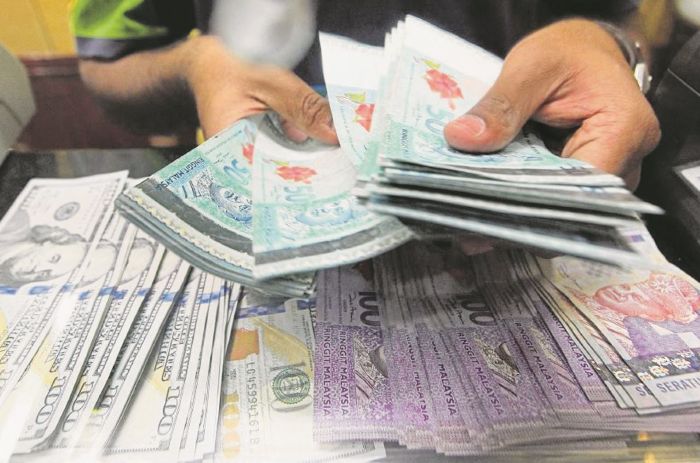
The Malaysian ringgit experienced a moderate depreciation of 2.0% against the US dollar in the two months concluding at the end of April. This marks a shift after a period of considerable strength, during which the currency had appreciated by roughly 20% over the previous two years.
According to a report by the Organisation for Economic Co-operation and Development (OECD), the ringgit had recovered from previous lows, supported by a narrowing interest rate gap with the US and improvements in the domestic economic fundamentals. The report noted that authorities emphasize the exchange rate's role as a shock absorber, backed by efforts to promote balanced two-way flows and deepen the foreign exchange market.
The OECD report suggests that the current monetary policy stance remains appropriate for supporting economic growth and maintaining market expectations. However, it advises that consideration might need to be given to reversing recent interest rate reductions if overall and core inflation trends upward beyond current projections. This adjustment would be particularly relevant if energy and commodity price shocks begin to impact core inflation, pushing it beyond Bank Negara Malaysia's forecast range of 1.5% to 2.5% for 2026.
The report also highlighted potential indirect inflationary pressures from fuel subsidies and advised that monetary policy should remain flexible amidst increasing global uncertainties. It recommended that existing policy tools, including liquidity operations and statutory reserve ratio flexibility, could complement the overnight policy rate if economic growth falters or external shocks worsen. The OECD also welcomed Malaysia's progress in strengthening its macroeconomic policy framework but recommended continuous improvements in monetary policy communication.
DistantNews Editorial
Originally published by Utusan Malaysia in Malay. Translated, summarized, and contextualized by our editorial team with added local perspective. Read our editorial standards.
More Stories



From Our Blog

What Gets Lost (and Found) When News Is Translated

The Critical Role of Diaspora Media in Global News

What Travellers Should Know About Countries with Restricted Press

A Digital Nomad's Guide to Following Local News

How the Same Story Looks Different in Different Countries
