

Managing peripheral dissent
Summarized and contextualized by DistantNews.
At a glance
News
Sources not specified
Ongoing story
- Gilgit-Baltistan's electoral process concluded peacefully, contrasting with concerns over Pakistani Kashmir's upcoming elections and past violent protests.
- Tensions in Pakistani Kashmir are rising due to the Jammu and Kashmir Joint Awami Action Committee's demand to abolish 12 seats reserved for refugees, which local Kashmiris argue distort democracy.
- Despite negotiations and a court ruling validating the government's position, the government banned the JAAC, escalating tensions and leading to reported casualties.
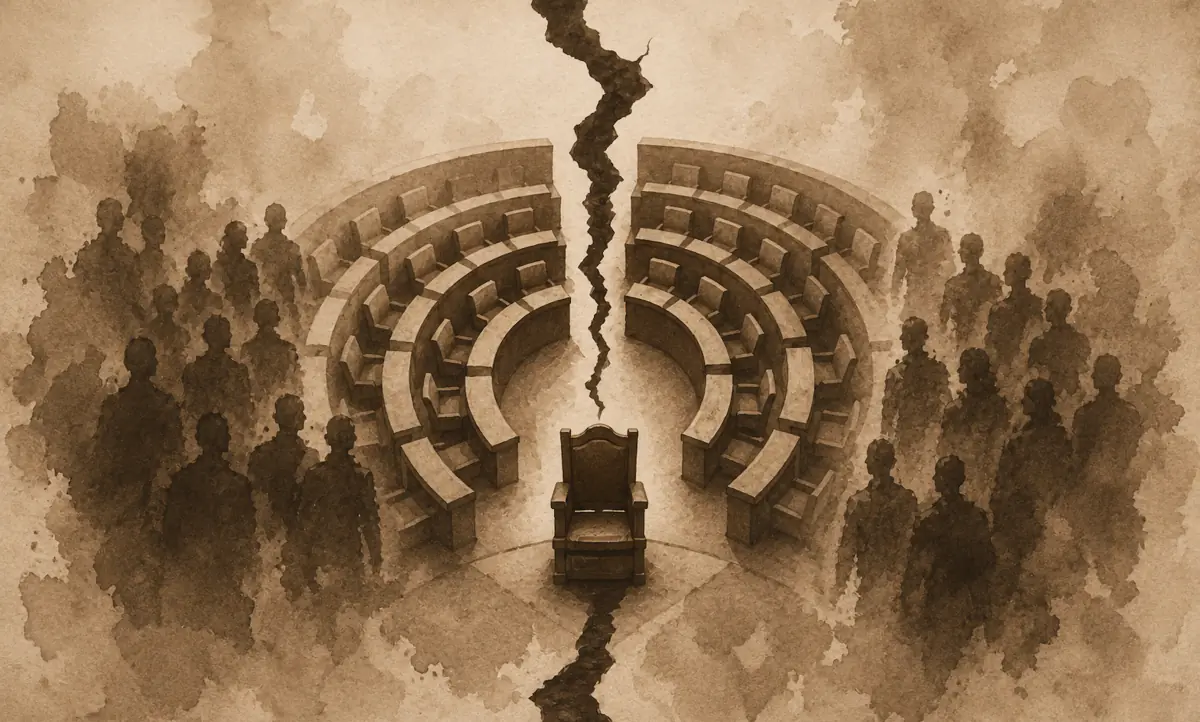
The electoral process in Gilgit-Baltistan concluded peacefully, a stark contrast to the escalating tensions in Pakistani Kashmir ahead of its July 27 elections. While Gilgit-Baltistan was managed through a blend of political engagement and coercion, Pakistani Kashmir's situation is described as poorly managed, with dialogue suspended and a reliance on force.
The core of the dispute lies with the 12 seats reserved for refugees from Indian-occupied Jammu and Kashmir who settled in mainland Pakistan after 1947. The Jammu and Kashmir Joint Awami Action Committee (JAAC) and local Kashmiris argue these seats distort local democracy as the voters do not reside in Azad Kashmir. Though mainstream political parties do not support abolishing the seats, the demand has public backing.
Negotiations between the government and the JAAC stalled over these seats. The federal government's negotiating team, including representatives from the PML-N and PPP, opposed abolition. The AJK Supreme Court validated the government's stance, linking legislative changes to the elected assembly and rejecting street protests. Despite advocating for democratic resolution, the government banned the JAAC, intensifying the crisis.
The JAAC's long march continues, with numerous casualties reported among protesters and law enforcement. The JAAC leadership believes the government and establishment have no intention of abolishing the seats. Interestingly, voters associated with these refugee seats have shown little opposition to their abolition, further emboldening the JAAC. The article suggests that if political will exists, solutions can be found, but the current path points to continued confrontation.
DistantNews Editorial
Originally published by Dawn. Summarized and contextualized by our editorial team with added local perspective. Read our editorial standards.
More Stories
From Our Blog

What Gets Lost (and Found) When News Is Translated

The Critical Role of Diaspora Media in Global News

What Travellers Should Know About Countries with Restricted Press

A Digital Nomad's Guide to Following Local News

How the Same Story Looks Different in Different Countries
