

Managing the Enns River: A Centuries-Long Battle Against Nature's Forces
Translated from German, summarized and contextualized by DistantNews.
At a glance
Analysis
Named sources
Context piece
- A new book by ecologist Heinz Wiesbauer details how the Enns River in Austria was managed over centuries.
- Historical interventions included bank reinforcement, dams, and channel straightening to control floods, aid navigation, and power mills.
- These efforts, while achieving some goals, led to ecological degradation, prompting a reevaluation of human-nature interactions.
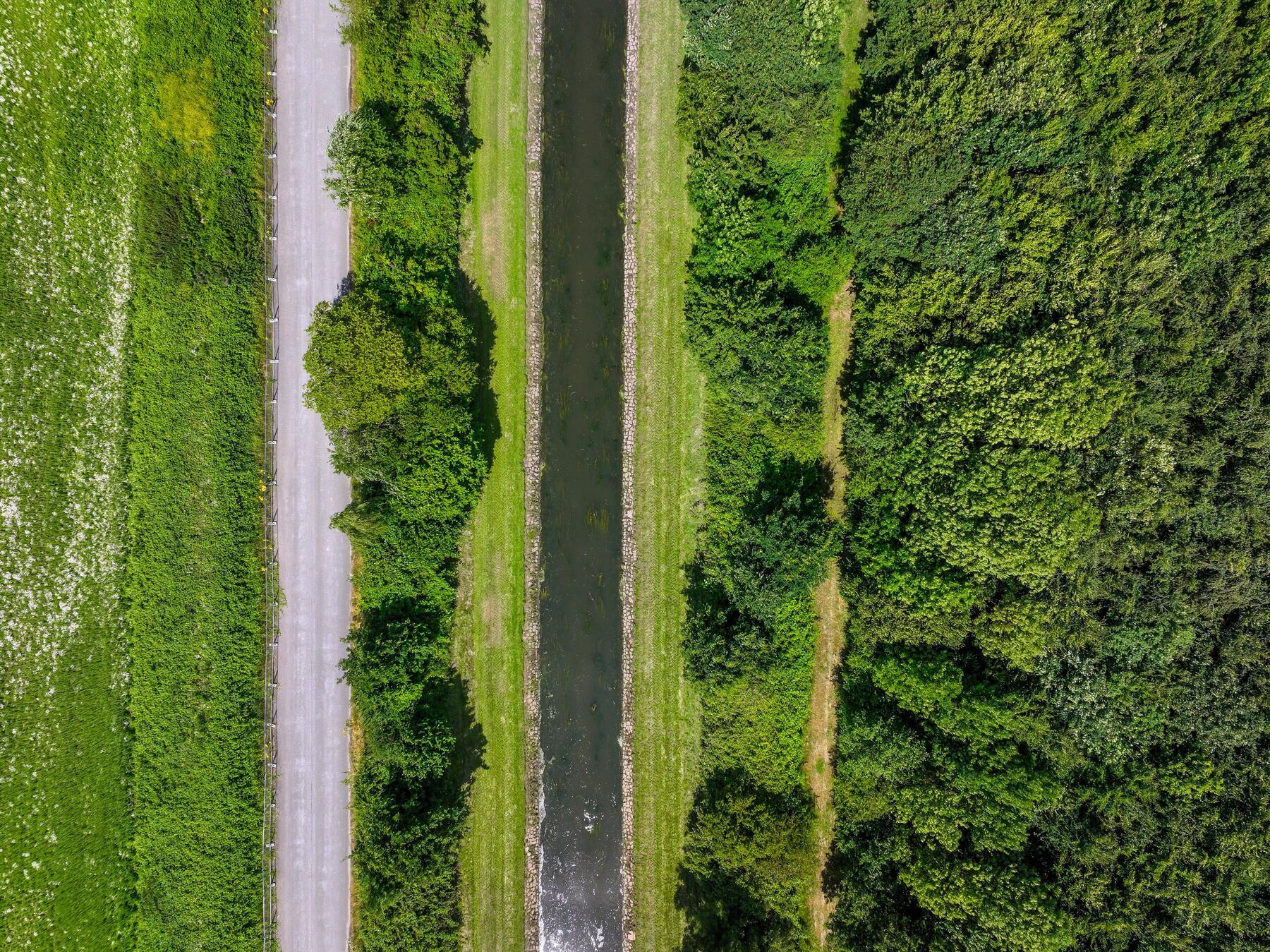
The Enns River, a tributary of the Danube in Austria, has undergone centuries of human intervention aimed at taming its natural power, as detailed in ecologist Heinz Wiesbauer's latest book. The historical efforts to control the river, driven by needs for flood protection, navigation, water power, and land reclamation, involved massive alterations to its natural course and landscape.
Wiesbauer's research chronicles extensive measures such as reinforcing riverbanks, constructing dams and weirs, installing groynes, and blasting rocks. These actions significantly shortened the Enns by approximately 20 kilometers through straightening and bypasses. While these interventions provided a degree of flood control, facilitated timber and iron transport, powered mills, and later, power plants, they also came at a significant ecological cost, diminishing the river's valuable natural structures.
not because revitalizations were already modern back then, but to avert unmanageable dangers.
The book highlights a fascinating historical episode from the 18th century involving a river restoration effort, not driven by modern environmentalism, but by the need to avert unmanageable dangers. The upper Enns and its tributaries had been heavily regulated and narrowed for centuries. During floods, the Zauch river, a tributary, carried substantial debris, repeatedly devastating the nearby town of Altenmarkt.
This recurring destruction was partly due to a sediment retention basin, an early form of torrent control constructed long before. Over time, this basin filled up and weakened, eventually breaking and releasing massive amounts of gravel. Specialists from the Salzburg court were summoned to address the escalating crisis, illustrating a long-standing struggle between human development and the forces of nature.
This basin had become filled over time and was weakened by age – and so it broke and released large masses of gravel.
DistantNews Editorial
Originally published by Die Presse in German. Translated, summarized, and contextualized by our editorial team with added local perspective. Read our editorial standards.
More Stories


From Our Blog

What Gets Lost (and Found) When News Is Translated

The Critical Role of Diaspora Media in Global News

What Travellers Should Know About Countries with Restricted Press

A Digital Nomad's Guide to Following Local News

How the Same Story Looks Different in Different Countries
