

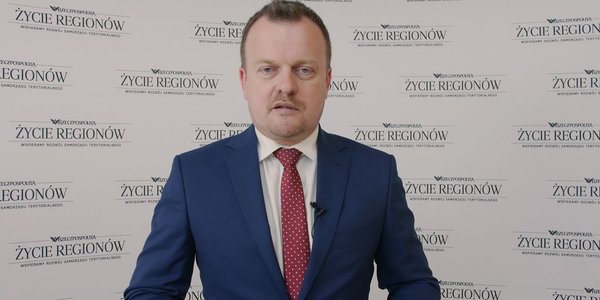

Marek A. Cichocki: Two Memories of September 1
Translated from Polish and summarized by DistantNews. Read the original for the full story.
At a glance
Opinion
Named sources
Context piece
- Marek A. Cichocki argues that September 1, 1939, holds a central place in Polish historical memory alongside the restoration of independence in 1918 and the end of the Cold War in 1989.
- He says the date represents the expansion of Nazi Germany and Soviet communism on Polish territory.
- Cichocki contrasts this with a German view that long treated the invasion of Poland as a local and secondary conflict.
September 1, 1939, carries two markedly different memories in Poland and Germany, according to Marek A. Cichocki. In Poland, the outbreak of World War II stands among the defining dates of the 20th century.
Cichocki places the anniversary alongside Poland’s recovery of independence in 1918 and the end of the Cold War in 1989. For Polish historical memory, September 1939 showed the expansion of two totalitarian systems on Polish soil: German Nazism and Soviet communism.
He argues that Germany traditionally viewed the events differently. In his account, German political and intellectual elites treated what happened in occupied Poland as local and secondary, rather than as the opening of a global war. He compares this perception with Germany’s understanding of the war against France.
Cichocki also criticizes the way both postwar German states handled responsibility. West Germany, he writes, used the Cold War to distance itself from responsibility for crimes committed against Poles. East Germany, built around an anti-fascist political myth, avoided that responsibility altogether.
The result, he argues, is a lasting divide in how the September anniversary is understood in Polish-German relations. The Polish interpretation centres on invasion and totalitarian expansion, while the German perception he describes long framed the conflict as a justified territorial and annexationist war.
About this summary
Originally published by Rzeczpospolita in Polish. Translated, summarized, and contextualized automatically by DistantNews, with a note on how the source frames the story. Not individually reviewed before publishing. How this works.
More Stories


From Our Blog

What Gets Lost (and Found) When News Is Translated

The Critical Role of Diaspora Media in Global News

What Travellers Should Know About Countries with Restricted Press

A Digital Nomad's Guide to Following Local News

How the Same Story Looks Different in Different Countries
