

🇩🇪
Germany
Mario Adorf: As a Child, I Was Allowed to Watch Television at His Home
Translated from German, summarized and contextualized by DistantNews.
TLDR
- The article is a personal recollection of actor Mario Adorf, focusing on childhood memories.
- The author fondly remembers visiting Adorf's home to watch television, as they did not have one at the time.
- It highlights Adorf's dual nature as a powerful actor and a warm, familiar figure in the author's childhood.
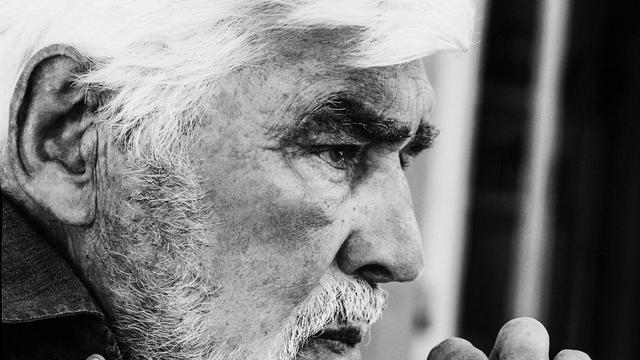
This piece from Die Zeit offers a deeply personal and nostalgic look at the renowned German actor Mario Adorf, not through the lens of his celebrated career, but through the intimate memories of a childhood acquaintance. The author recounts a time when television was a luxury, and visiting "Uncle Mario"'s apartment was a special occasion, allowing the author to watch TV at his home. This framing immediately sets a tone of warmth and familiarity, contrasting with Adorf's often intense on-screen persona.
Die Zeit, known for its in-depth features and cultural commentary, allows this personal narrative to shine. The anecdote about Adorf's role in Fernando Di Leo's film, where he performs a dangerous stunt, serves as a powerful juxtaposition. It reminds readers of Adorf's formidable presence in cinema – his ability to embody tough, even violent characters – while the author's memory of him being "funny" and "good" paints a picture of a different, more gentle man off-screen. The author's mother's simple question, "Was he good?" upon picking them up, encapsulates the innocence and trust placed in Adorf.
Als ich klein war, wohnte Onkel Mario ein paar Straßen von uns entfernt in einer engen Wohnung, er gehörte mit meinem Vater zu den Hoffnungsträgern der Münchner Kammerspiele.
From a German cultural perspective, Mario Adorf is a significant figure, a veteran actor who has shaped German cinema and television for decades. This article taps into that cultural recognition but reframes it. It's not about his awards or his most famous roles, but about the human connection. It speaks to a broader German appreciation for cultural icons, but also for the personal stories that humanize them. The piece suggests that even larger-than-life figures can be remembered for simple acts of kindness and shared moments, like watching television together, making the memory particularly poignant.
Meine Mutter fragte beim Abholen: »War er brav?« Ja, war er, denn Onkel Mario war lustig.
DistantNews Editorial
Originally published by Die Zeit in German. Translated, summarized, and contextualized by our editorial team with added local perspective. Read our editorial standards.
More Stories


From Our Blog

What Gets Lost (and Found) When News Is Translated

How the Same Story Looks Different in Different Countries

The Critical Role of Diaspora Media in Global News

What Travellers Should Know About Countries with Restricted Press

A Digital Nomad's Guide to Following Local News
