

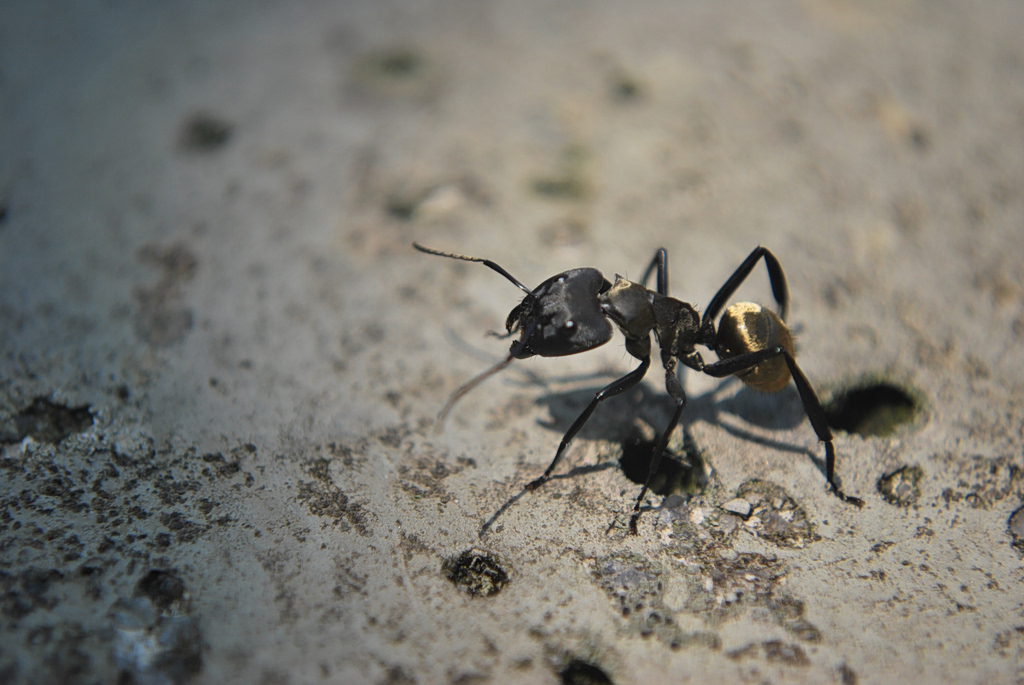

Mars' Ancient Ocean Revealed by 'Bathtub Ring' Discovery
Translated from Greek, summarized and contextualized by DistantNews.
TLDR
- New findings suggest Mars may have once hosted a vast ocean covering nearly a third of its surface.
- Researchers identified a geological feature, termed the "bathtub ring," which indicates the ancient water level.
- This discovery strengthens the hypothesis of a once-habitable Red Planet, bolstering the search for past life.
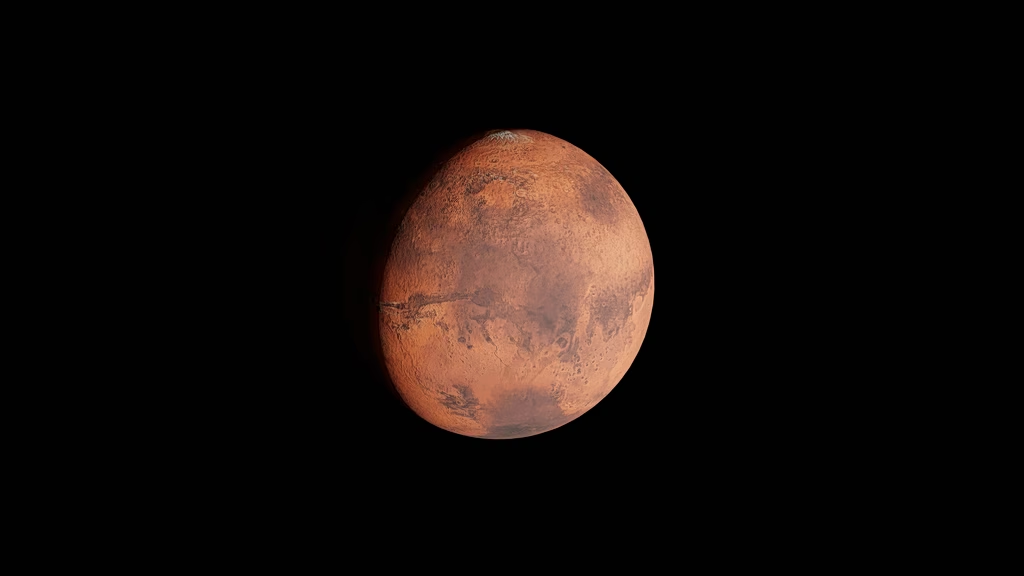
A groundbreaking discovery is reshaping our understanding of Mars, providing compelling evidence that the Red Planet may have once harbored a massive ocean. Researchers have identified a geological feature, metaphorically dubbed the "bathtub ring," which appears to mark the ancient shoreline of a vast body of water that could have covered up to a third of the Martian surface in its distant past.
This finding, published in the journal Nature by scientists at Caltech, builds upon existing knowledge that Mars once had rivers and lakes. The "bathtub ring" phenomenon, analogous to the mineral deposits left on Earth's bathtubs after water recedes, serves as a powerful indicator of the maximum water level reached. This geological signature is crucial because it offers a more consistent marker than previously observed coastal formations, which appeared at varying altitudes, casting doubt on the existence of a stable, planet-wide ocean.
The implications for the search for extraterrestrial life are profound. Water is considered the fundamental ingredient for life as we know it, and the confirmation of a large, ancient ocean significantly increases the probability that Mars could have once supported microbial life. While Western media often focuses on the technological aspects of Mars exploration, for Greek scientists and space enthusiasts, this discovery resonates with a deep-seated curiosity about our place in the universe and the potential for life beyond Earth. It fuels the ongoing scientific endeavor to unravel the Red Planet's watery past and its potential to have hosted life billions of years ago.
DistantNews Editorial
Originally published by Ta Nea in Greek. Translated, summarized, and contextualized by our editorial team with added local perspective. Read our editorial standards.
More Stories

From Our Blog

What Gets Lost (and Found) When News Is Translated

The Critical Role of Diaspora Media in Global News

What Travellers Should Know About Countries with Restricted Press

A Digital Nomad's Guide to Following Local News

How the Same Story Looks Different in Different Countries
