


Why were dogs buried with people in Peru? Hairless breeds reveal ancient secrets
Translated from Greek, summarized and contextualized by DistantNews.
TLDR
- Archaeologists in Peru discovered the remains of at least 20 dogs, some hairless, buried alongside humans at the El Castillo de Huarmey site.
- The findings suggest these dogs, including Peruvian Hairless Dogs, were buried with people from the Wari empire, some as companions.
- Chemical analysis indicates the dogs shared a diet similar to that of Wari children, highlighting their significant role in the society.
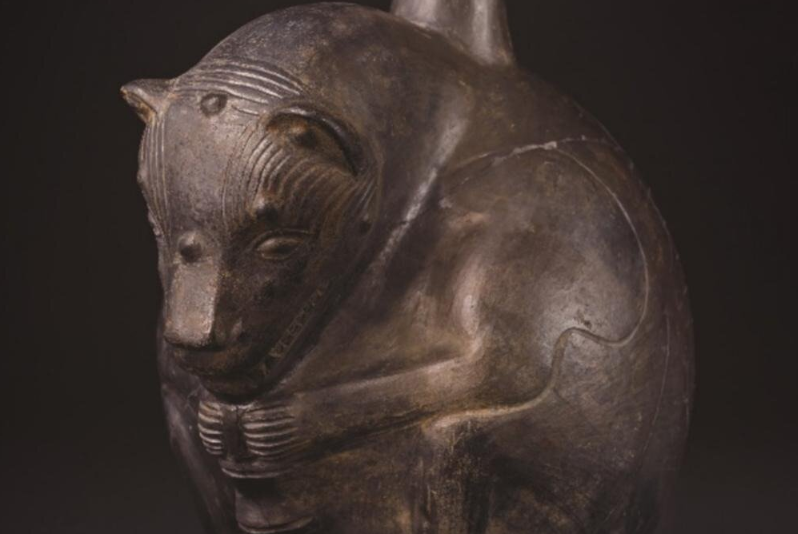
Ta Nea brings us a fascinating glimpse into the past from Peru, revealing the deep bond between humans and dogs during the Wari empire. At the El Castillo de Huarmey archaeological site, researchers unearthed the remains of at least 20 dogs, some of which were the distinctive hairless variety. These canine companions were found buried alongside human remains, including those of an adolescent and an artisan, suggesting they were not merely pets but held a special place in funerary rituals. The presence of Peruvian Hairless Dogs, identified by specific dental characteristics, provides concrete evidence of their existence in Wari society, complementing earlier artistic depictions. What's particularly striking is the dietary analysis, which shows these dogs ate similarly to Wari children. This shared diet points to a level of integration and care that goes beyond simple ownership, indicating these animals were likely cherished members of the household or community. This discovery offers a unique perspective on the human-animal relationship in ancient South America, a narrative often overlooked in broader historical accounts that tend to focus solely on human civilizations.
DistantNews Editorial
Originally published by Ta Nea in Greek. Translated, summarized, and contextualized by our editorial team with added local perspective. Read our editorial standards.
More Stories



From Our Blog

What Gets Lost (and Found) When News Is Translated

The Critical Role of Diaspora Media in Global News

What Travellers Should Know About Countries with Restricted Press

A Digital Nomad's Guide to Following Local News

How the Same Story Looks Different in Different Countries
