


Mask up: Jakarta air quality reaches unhealthy level for sensitive groups
Translated from Indonesian and summarized by DistantNews. Read the original for the full story.
At a glance
News
Named sources
Ongoing story
- Jakarta recorded an air quality index of 147, considered unhealthy for sensitive groups, and ranked fifth among the world’s most polluted cities that morning.
- Residents and tourists were advised to wear masks outdoors as haze from wildfires in Kalimantan affected regional air quality.
- Jakarta plans to expand public transport, increase electric buses and improve waste processing to reduce emissions.
Jakarta’s air quality remained unhealthy for sensitive groups on the morning of September 5, with an air quality index reading of 147 at 7:45 a.m. local time. The reading placed the Indonesian capital fifth among the world’s most polluted cities that morning.
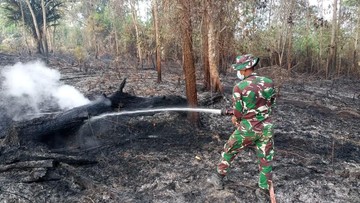
Residents and tourists were advised to wear masks during outdoor activities. Kuching in Malaysia ranked first, with an AQI of 277, classified as very unhealthy. Kinshasa ranked second at 171, and Chengdu third at 159. Weeks of wildfires across Kalimantan sent toxic haze across southern Southeast Asia.
The Jakarta provincial government is pursuing three main strategies to improve air quality. It is expanding TransJabodetabek bus services to reduce private vehicle use, including routes between Blok M and Alam Sutera, Blok M and PIK 2, and a planned Blok M to Soekarno-Hatta Airport route.
If this can be achieved, it will significantly reduce the contribution to emissions
Governor Pramono Anung urged residents to use government-provided public transport. Jakarta has also introduced regulations for free public transport for 15 groups. Transport connectivity has reached 92 percent, ranking Jakarta 17th globally and second in ASEAN after Singapore.
Transport produces 50 percent of Jakarta’s exhaust emissions, and Pramono has set a target of operating 10,000 Transjakarta electric buses by 2030. “If this can be achieved, it will significantly reduce the contribution to emissions,” he said. The government is also accelerating construction of waste-processing facilities in Sunter, Rorotan, Bantargebang and West Jakarta. Pramono said those facilities could “significantly reduce or even lower emissions in Jakarta.”
If this can be done, it will significantly reduce or even lower emissions in Jakarta
About this summary
Originally published by Tempo in Indonesian. Translated, summarized, and contextualized automatically by DistantNews, with a note on how the source frames the story. Not individually reviewed before publishing. How this works.
More Stories


From Our Blog

News in Translation: What Gets Lost, and How We Keep the Framing

Diaspora Media: How Communities Follow News From Home

Traveling Where the Press Is Not Free: How to Read the News There

The Digital Nomad's Guide to Local News

The Same Story, Different Countries: How Coverage Changes at the Border
