

Maximos Mansion Not What It Was in First Term: Ta Nea Analysis
Translated from Greek, summarized and contextualized by DistantNews.
TLDR
- The director of Ta Nea newspaper, Giorgos Mantelas, analyzes a weakened image of the Maximos Mansion, stating that the government cohesion and control of Mitsotakis's first term are gone.
- Mantelas suggests that Prime Minister Mitsotakis is now managing multiple internal balances and open fronts, leading to a less stable situation.
- He predicts that if early elections are not called, political developments and elections after the Thessaloniki International Fair are likely.
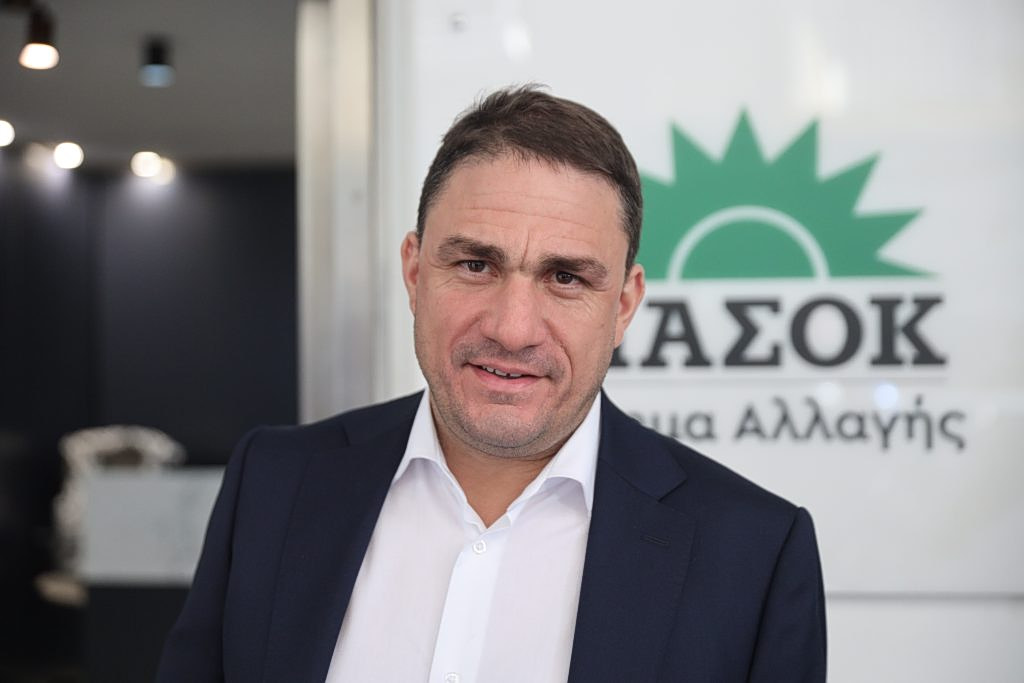
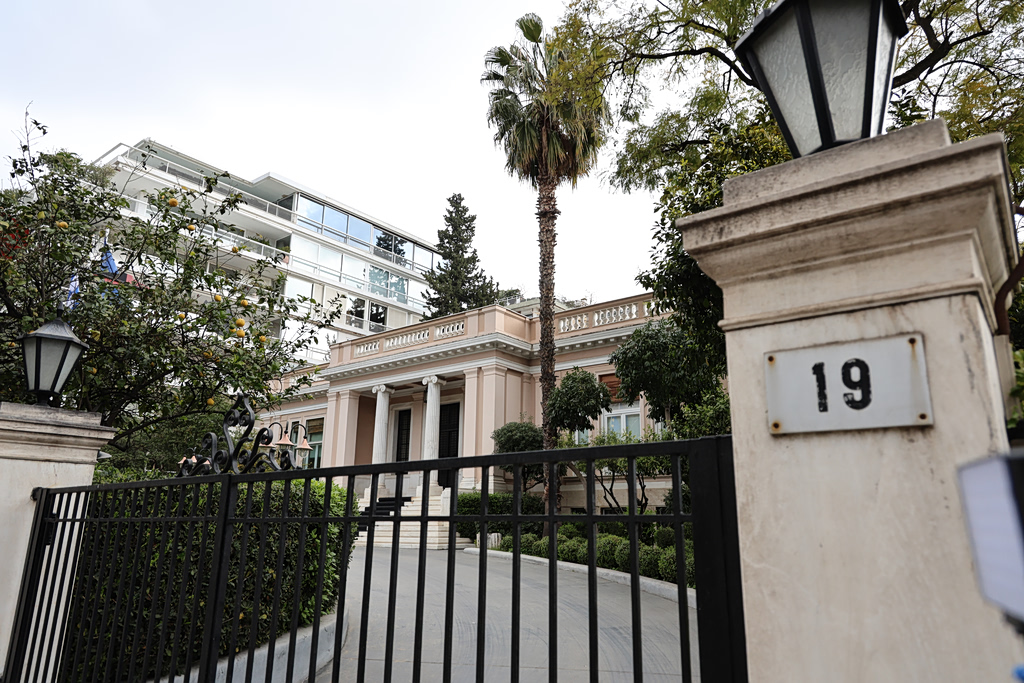
The editorial team at Ta Nea has observed a significant shift in the dynamics surrounding the Maximos Mansion, the seat of the Greek Prime Minister's office. Our analysis, as presented by our director Giorgos Mantelas, indicates a palpable weakening compared to the first term of Kyriakos Mitsotakis's premiership.
The Maximos Mansion is not what it was in the first term.
During his initial term, the Maximos Mansion projected an image of unshakeable authority, where any misstep by a minister would be met with immediate accountability, resignation, or dismissal. Even in the early years of the second term, the Prime Minister maintained a powerful grip. However, the current political landscape suggests a Prime Minister juggling numerous internal power balances and facing a multitude of challenges.
We have ministers who are doing these retweets on anonymous, on anonymous posts. We have MPs who say off the record that I will think about whether I will vote for what they are asking me and possibly I will not vote for it.
This shift is evidenced by the unusual behavior of some ministers retweeting anonymous posts and even Members of Parliament expressing private reservations about voting on government-backed legislation. This suggests a loss of centralized control and a more fragmented political environment. The situation appears unstable and unlikely to endure for an extended period.
Generally, we have a situation that does not seem to be controlled and I am not at all sure that this climate can last for a very long time.
Given these observations, Ta Nea posits that the most probable outcome, should the government not seek an immediate electoral mandate, is a forced election in November. The current political climate, marked by internal dissent and a perceived lack of firm leadership, makes such a scenario increasingly likely. This contrasts sharply with the decisive governance often expected and, until recently, delivered from the Maximos Mansion.
That is why I insist that if he does not go to elections immediately, the most likely scenario is that he will be forced 'to go to the polls at some point in November'.
DistantNews Editorial
Originally published by Ta Nea in Greek. Translated, summarized, and contextualized by our editorial team with added local perspective. Read our editorial standards.
More Stories

From Our Blog

What Gets Lost (and Found) When News Is Translated

The Critical Role of Diaspora Media in Global News

What Travellers Should Know About Countries with Restricted Press

A Digital Nomad's Guide to Following Local News

How the Same Story Looks Different in Different Countries
