

'Medical poverty' trap: Solutions to reduce out-of-pocket health costs
Translated from Vietnamese, summarized and contextualized by DistantNews.
At a glance
News
Official statement
New plan
- Vietnam is expanding its health insurance coverage to include more expensive medications, particularly for cancer patients.
- This move aims to prevent patients from falling into medical poverty due to high treatment costs.
- The Ministry of Health is streamlining procedures and adding new drugs to the insurance list.
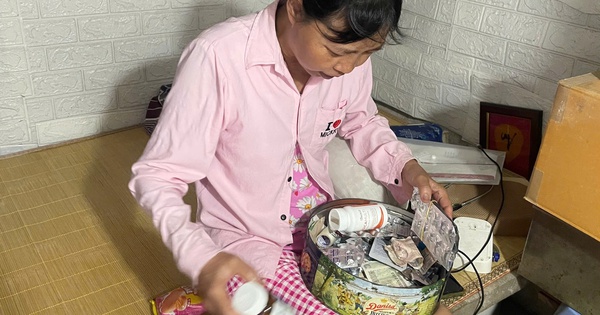
Vietnam is taking significant steps to alleviate the financial burden of medical costs for its citizens, particularly those battling serious illnesses like cancer. The Ministry of Health is working to expand the list of drugs covered by health insurance and enhance support programs. This initiative aims to prevent vulnerable patients from falling into 'medical poverty' due to the high price of treatments, which can exceed billions of dong per patient annually.
Currently, many effective new medications, especially for cancer, are not fully covered by the national health insurance (BHYT) or have limited coverage. This forces patients to pay out-of-pocket for essential drugs. To address this, the ministry has implemented programs offering free medications to healthcare facilities, benefiting over 6,000 cancer patients with more than 1.6 trillion dong ($63 million USD) worth of supported drugs. These programs have helped extend lives and reduce financial strain.
Looking ahead, the Ministry of Health plans to add 84 new drugs to the BHYT coverage list, with 30 of these being cancer treatments. This includes advanced targeted therapies and immunotherapies, bringing Vietnamese patients closer to cutting-edge treatments available globally. Additionally, 24 drugs for chronic conditions like heart disease and diabetes, and 18 for rare diseases, will be included. The ministry is also revising payment conditions and increasing coverage rates for 52 existing drugs, further easing the financial pressure on patients and their families.
Collecting and analyzing data from drug support programs needs to be done more systematically, thereby serving policy formulation, especially in considering updates to the list of drugs covered by the health insurance fund, aiming for sustainable and equitable drug access for the people.
DistantNews Editorial
Originally published by Thanh Niên in Vietnamese. Translated, summarized, and contextualized by our editorial team with added local perspective. Read our editorial standards.
More Stories

From Our Blog

What Gets Lost (and Found) When News Is Translated

The Critical Role of Diaspora Media in Global News

What Travellers Should Know About Countries with Restricted Press

A Digital Nomad's Guide to Following Local News

How the Same Story Looks Different in Different Countries
