


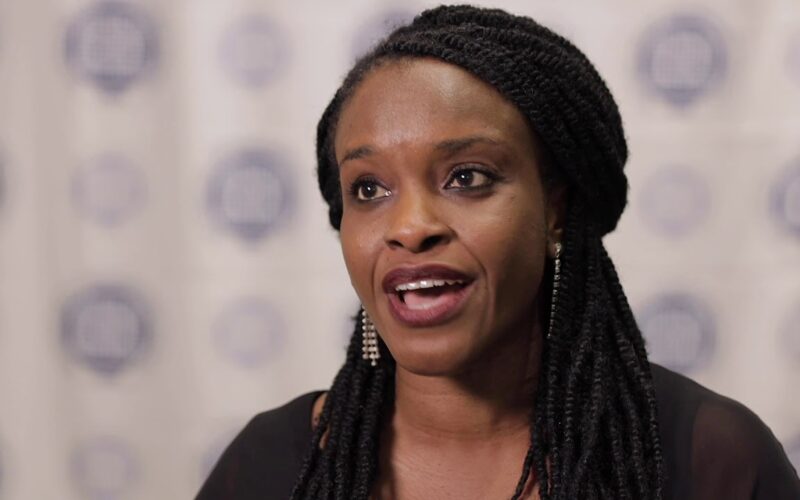
Meet Nigeria’s Ekeng-Itua, first Black woman Ph.D. holder in Cybernetics
Translated from English, summarized and contextualized by DistantNews.
At a glance
In-depth
Named sources
Context piece
- Nigerian engineering professor Rose-Margaret Ekeng-Itua has become the first Black woman to earn a Ph.D. in Cybernetics from the University of Reading.
- She is a professor at Ohlone College in California and advocates for STEM education and Africa's contributions to innovation.
- Ekeng-Itua founded the Sabi Africa Network and the African Technology and Innovation Institute (AFRITECHI) to promote African-centered STEM education and highlight indigenous knowledge systems.
Nigerian engineering professor Rose-Margaret Ekeng-Itua has made history as the first Black woman to achieve a doctoral degree in Cybernetics from the University of Reading in the United Kingdom. Now a professor of engineering at Ohlone College in Fremont, California, Ekeng-Itua has dedicated her career to advancing science, technology, engineering, and mathematics (STEM) education while championing Africa's role in innovation and technological development.
Ekeng-Itua's passion for reshaping perceptions of Africa stems from her childhood experiences. Living in the West between the ages of five and ten, she was often one of the few students of African heritage. She recalls classmates holding inaccurate views of the continent, which contradicted the Africa she knew, one steeped in wisdom and ancestral civilization. At age nine, these conversations inspired her vision to create a platform connecting cultures and challenging stereotypes.
This was a complete contradiction to the Africa I knew, so I began sharing stories with my friends about the Africa I knew, steeped in wisdom and ancestral civilization.
This vision materialized into the Sabi Africa Network, named after the Nigerian Pidgin word for "to know." Founded in the 2000s, the initiative aims to showcase Africa's pioneering contributions to science, engineering, and technology, fostering greater cultural understanding. Building on this mission, Ekeng-Itua later established the African Technology and Innovation Institute (AFRITECHI). This hub focuses on knowledge transfer and technological research support, promoting Africa-centered STEM education and advocating for curricula that recognize indigenous African knowledge systems.
African and other indigenous technological innovations can solve most of the global issues highlighted in the United Nations’ Sustainable Development Goals (UNSDGs).
Ekeng-Itua believes African innovation is crucial for addressing global challenges, stating, "African and other indigenous technological innovations can solve most of the global issues highlighted in the United Nations’ Sustainable Development Goals (UNSDGs)." AFRITECHI also works to bridge the technological and economic divide between the Global North and South through research, innovation, consultancy, and skills development. With over two decades of experience, she emphasizes the importance of partnerships between educational institutions, governments, and the private sector to prepare graduates for the workforce, noting, "Intentional academia, industry, government partnerships are key for the reduction in youth unemployment and the graduate industry desirable skills gap."
Beyond her academic achievements, Ekeng-Itua actively mentors women and girls in STEM through initiatives in the United States, Europe, and Africa, including Women in Big Data (WiBD) Nigeria and the Women in STEAM Mentoring Dinner in California.
Intentional academia, industry, government partnerships are key for the reduction in youth unemployment and the graduate industry desirable skills gap.
DistantNews Editorial
Originally published by Vanguard in English. Translated, summarized, and contextualized by our editorial team with added local perspective. Read our editorial standards.
More Stories


From Our Blog

How the Same Story Looks Different in Different Countries

What Gets Lost (and Found) When News Is Translated

The Critical Role of Diaspora Media in Global News

What Travellers Should Know About Countries with Restricted Press

A Digital Nomad's Guide to Following Local News
