

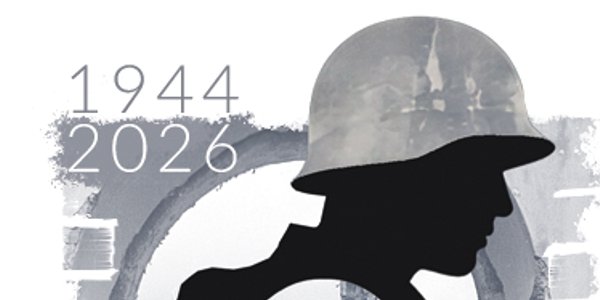
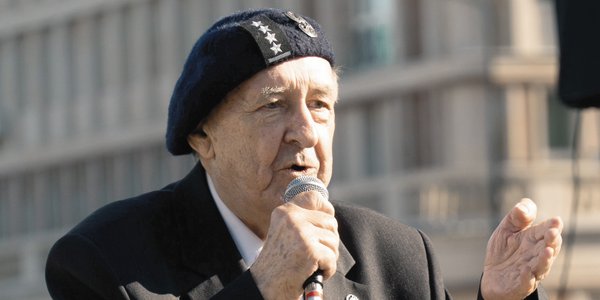
Memories and reflections of an insurgent: 'The desire for freedom was stronger than the desire for revenge'
Translated from Polish, summarized and contextualized by DistantNews.
At a glance
Interview
Named sources
Outcome reported
- A Warsaw Uprising participant recounts his experiences as a 14-year-old messenger and observer during the 1944 battle for the PAST-y building.
- He describes the Polish forces' tactics, including using explosives and oil to force the German garrison's surrender after 20 days.
- The participant emphasizes the insurgents' adherence to the Geneva Convention, ensuring captured German soldiers were treated as prisoners of war.
Recounting his experiences during the Warsaw Uprising, a former participant shared poignant memories of the battle for the PAST-y building in August 1944. At just 14 years old, he served as a soldier in the AK Batalion 'Kiliński' group, though his youth prevented him from being assigned a weapon.
His role involved crucial tasks such as observing enemy movements, acting as a liaison, and delivering ammunition to the fighters. He vividly recalls the dangerous street battles and the vital support provided by female AK units, known as 'minerki.' These units played a key role by creating openings in the building through explosives, allowing insurgents to infiltrate.
Dla mnie był to jeden z najbardziej wzruszających dni w okresie Powstania Warszawskiego. Stałem wtedy przed gmachem PAST-y i obserwowałem, jak z okienka piwnicznego wychodzili ci „niezwyciężeni żołnierze Wehrmachtu niemieckiego” z podniesionymi do góry rękami, bez broni, dystynkcji wojskowych i ze strachem w oczach.
Simultaneously, oil was pumped through windows to melt the solder on telephone equipment. After 20 days of intense fighting, the German garrison surrendered. The operation, led by Captain Henryk Leliwa-Roycewicz, was a significant success for the Polish forces.
The participant described witnessing the "invincible soldiers of the German Wehrmacht" emerge from the building with raised hands, fear in their eyes, and disarmed. Despite calls from the crowd to execute the prisoners, the AK's Gendarmerie intervened, taking the soldiers into captivity. He stressed that the insurgents respected the Geneva Convention, making the killing of unarmed prisoners unthinkable.
Na szczęście istniała Żandarmeria AK, która zabierała jeńców do niewoli. Powstańcy szanowali konwencję genewską. Zabicie bezbronnego jeńca było dla nich nie do pomyślenia.
DistantNews Editorial
Originally published by Rzeczpospolita in Polish. Translated, summarized, and contextualized by our editorial team with added local perspective. Read our editorial standards.
More Stories

From Our Blog

What Gets Lost (and Found) When News Is Translated

The Critical Role of Diaspora Media in Global News

What Travellers Should Know About Countries with Restricted Press

A Digital Nomad's Guide to Following Local News

How the Same Story Looks Different in Different Countries
