

Memory of Prisoners of War Remains an Open Chapter
Translated from Polish, summarized and contextualized by DistantNews.
At a glance
News
Sources not specified
Context piece
- The fate of prisoners of war, particularly from World War II, has long been a marginalized topic in Poland.
- While Germany operated POW camps, the Soviet Union also held prisoners, a fact often suppressed.
- The ongoing war in Ukraine highlights the plight of Ukrainian POWs returning from Russian captivity, echoing past suffering.
The memory of prisoners of war remains an unresolved chapter, especially concerning World War II. For decades, the fate of these individuals, including Soviet soldiers held in German camps, was a peripheral issue in Poland. This silence extended to the fact that the Soviet regime also operated its own prisoner camps, a truth that was largely unaddressed.
Ukrainians hold a particular place in this history. During World War II, thousands of Red Army soldiers, many of whom had been conscripted or imprisoned by the Soviet regime, died in German POW camps. The narrative often focused solely on German atrocities, overlooking the complex political realities and the suffering endured by those caught between two totalitarian powers.
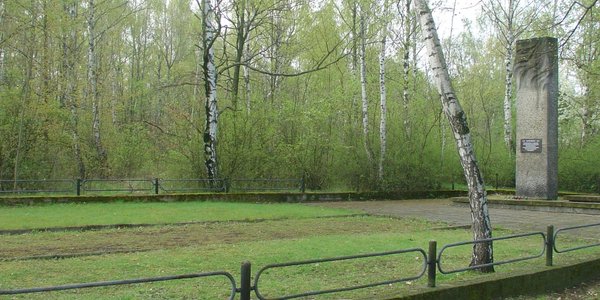
Today, the full-scale war in Ukraine, now in its fifth year, brings these historical echoes to the forefront. The harrowing images of Ukrainian POWs returning from Russian captivity, emaciated and traumatized by the isolation and violence of their imprisonment, serve as a stark reminder of the enduring human cost of conflict. The article notes that Stalag VIII A, a German POW camp in Görlitz (now Zgorzelec), stands as a monument to the suffering of those held captive.
DistantNews Editorial
Originally published by Rzeczpospolita in Polish. Translated, summarized, and contextualized by our editorial team with added local perspective. Read our editorial standards.
More Stories


From Our Blog

What Gets Lost (and Found) When News Is Translated

The Critical Role of Diaspora Media in Global News

What Travellers Should Know About Countries with Restricted Press

A Digital Nomad's Guide to Following Local News

How the Same Story Looks Different in Different Countries
