


Mental Health of Medical Students is Worrying
Translated from Malay, summarized and contextualized by DistantNews.
At a glance
News
Named sources
Context piece
- Medical students in Malaysia are facing significant mental health challenges, including anxiety, depression, and chronic stress.
- A study found 43.5% of surveyed medical students experienced anxiety symptoms, with many struggling with sleep, panic attacks, and loss of motivation.
- The demanding academic culture, exposure to patient suffering, and competitive environment contribute to these issues, with some students contemplating suicide.
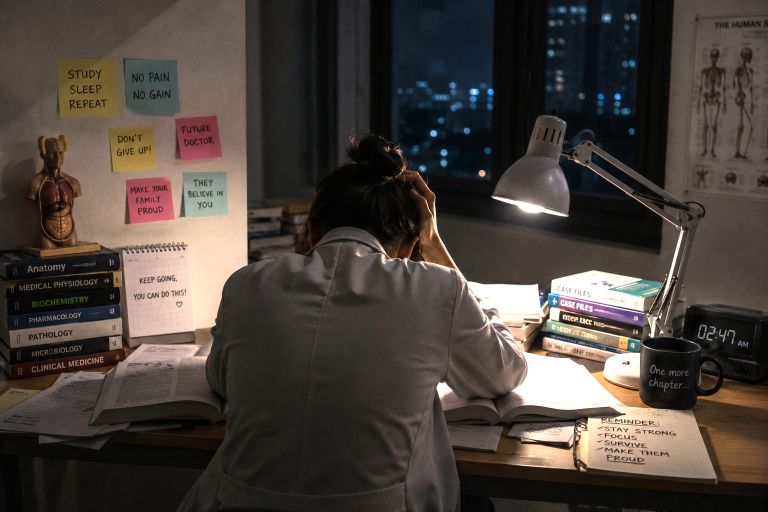
Medical students in Malaysia, often perceived as exceptionally capable and resilient, are grappling with severe and prolonged mental health struggles. Behind their public image of academic rigor and discipline, many are experiencing profound loneliness, emotional exhaustion, and a constant battle with stress. Despite appearing cheerful and active on social media, a significant number suffer from sleep disturbances, panic attacks, and a diminishing passion for their studies.
Dr. Tengku Mohd. Saifuddin Tengku Kamarul Bahri, a psychiatrist and medical lecturer at Universiti Sultan Zainal Abidin (Unisza), notes that medical education is not only academically demanding but also intensely taxing on students' emotional and psychological fortitude. The constant exposure to patient suffering, trauma, and death, coupled with the highly competitive learning environment, creates immense pressure from the early stages of their training.
A study by Universiti Teknologi Mara (UiTM) revealed that 43.5% of 907 surveyed medical students exhibited symptoms of anxiety. The research also indicated that 35.2% experienced stress, and 7.1% showed symptoms of depression. Worryingly, the study found that suicidal thoughts are no longer an isolated issue among these students, particularly affecting first-year undergraduates who are new to the rigorous demands of medical school.
Compounding these issues is a culture within the medical field that often equates long study hours with commitment, emotional suppression with professionalism, and crying over difficult experiences with weakness. Dr. Tengku Mohd. Saifuddin explained that this environment forces many students to study merely to survive, living under chronic stress from heavy syllabi, cognitive overload, continuous examinations, and the fear of making mistakes. This pressure intensifies during the clinical phase, where students must not only master medical knowledge but also navigate patient interactions, demanding supervisors, and the practical application of their learning.
DistantNews Editorial
Originally published by Utusan Malaysia in Malay. Translated, summarized, and contextualized by our editorial team with added local perspective. Read our editorial standards.
More Stories


From Our Blog

What Gets Lost (and Found) When News Is Translated

The Critical Role of Diaspora Media in Global News

What Travellers Should Know About Countries with Restricted Press

A Digital Nomad's Guide to Following Local News

How the Same Story Looks Different in Different Countries
