

Merz Under Pressure: Calls for Chancellor Change Grow Louder in Germany
Translated from Polish, summarized and contextualized by DistantNews.
At a glance
News
Sources not specified
Context piece
- German media report growing dissatisfaction within the CDU party over the federal government's low approval ratings and fear of losing power.
- The discussion centers on replacing Chancellor Olaf Scholz with Friedrich Merz, potentially bringing in Hendrik Wüst as a new face to implement unpopular but necessary reforms.
- Germany faces economic stagnation due to structural issues, high social spending, and declining competitiveness, with reforms like tax, pension, and healthcare changes being contentious.
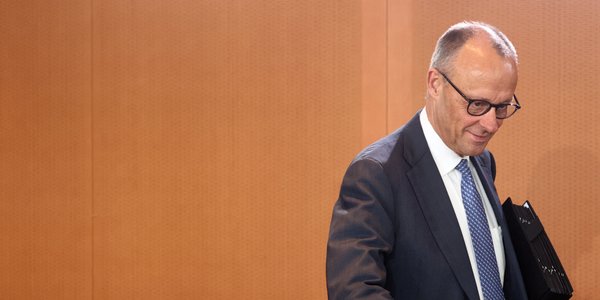
German media are buzzing with talk of a "chancellor swap," as dissatisfaction grows within the CDU over the federal government's low approval ratings and fears of losing power. The party is reportedly considering replacing current leadership with Friedrich Merz, and potentially installing Hendrik Wüst, the energetic premier of North Rhine-Westphalia, as a new face in the chancellery.
This potential "new face" is seen as a way to reverse the party's declining poll numbers and to push through unpopular but essential reforms. Observers believe such a move, while constitutionally permissible, is currently unrealistic. However, the underlying sentiment is that only consistent reform policy can pull Germany out of its current economic rut, a situation not seen in a quarter-century.
Germany's economic stagnation stems from structural problems, excessive social spending, and a declining ability to adapt. Decades of export success in sectors like automotive and chemicals are faltering as German firms lose competitiveness. This has created a growing budget deficit, with proposed solutions including cuts to social spending, tax reforms, pension adjustments, and healthcare system changes. These proposed reforms, including potential VAT increases and raising the retirement age, are deeply unpopular with citizens.
The political landscape is shifting, with the far-right Alternative for Germany (AfD) gaining ground and now polling ahead of the CDU/CSU. This surge is partly attributed to public discontent with the government's reform agenda and broader economic concerns. The article references a report by the German Council of Economic Experts highlighting the need for structural changes.
In the following years, under Angela Merkel, everything went its own way and in the opinion of politicians there was no need for intervention.
DistantNews Editorial
Originally published by Rzeczpospolita in Polish. Translated, summarized, and contextualized by our editorial team with added local perspective. Read our editorial standards.
More Stories
From Our Blog

What Gets Lost (and Found) When News Is Translated

The Critical Role of Diaspora Media in Global News

What Travellers Should Know About Countries with Restricted Press

A Digital Nomad's Guide to Following Local News

How the Same Story Looks Different in Different Countries
