


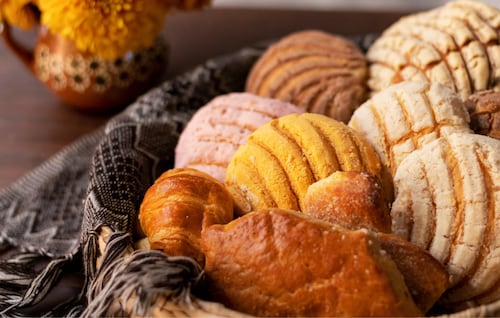
Mexican sweet bread declared Intangible Cultural Heritage of Mexico City
Translated from Spanish, summarized and contextualized by DistantNews.
At a glance
News
Official statement
Approved/passed
- Mexican sweet bread, known for its distinct aroma and flavors, has been officially declared Intangible Cultural Heritage of Mexico City.
- The declaration, a joint effort by the local Culture Secretariat and the National Chamber of Bakery Industries, celebrates centuries of tradition and artisanal craftsmanship.
- This recognition highlights the social importance of traditional bakeries and aims to preserve the diverse recipes and generational transmission of baking skills.
The beloved Mexican sweet bread, a morning staple filling the streets with its aroma of vanilla, butter, and toasted sugar, has received its highest official recognition. Mexican sweet bread has been officially declared Intangible Cultural Heritage of Mexico City, a milestone that honors centuries of tradition, artisanal skill, and the cherished memories it holds in households across the country.
The resolution passed unanimously during the 2026 First Extraordinary Session of the Inter-institutional Commission for Cultural, Natural, and Biocultural Heritage of Mexico City. This significant initiative was a collaborative effort between the capital's Culture Secretariat and the National Chamber of Bakery Industries, Pastries, and Similar Products of Mexico (CANAINPA). This achievement not only marks a local agenda but also resonates with other national recognitions, such as the declaration of Tlacolula de Matamoros's "pan de cazuela" as Cultural Heritage of Oaxaca State, strengthening a national network for safeguarding gastronomy.
The history of Mexican sweet bread is a testament to culinary mestizaje. With the introduction of wheat during the colonial era and the subsequent influence of French and Italian pastry-making in the 19th century, local bakers adapted European techniques and incorporated indigenous ingredients like piloncillo, lard, cinnamon, and chocolate. Today, traditional bakeries serve not only as daily sustenance providers but also as community hubs where a unique jargon and manual kneading techniques, integral to the nation's cultural identity, are preserved.
Within Mexico's vast repertoire of baked goods, hundreds of creative forms, textures, and names contribute to this living heritage. Industry records document over 2,400 varieties. Iconic examples include the "concha," recognizable by its sugar topping resembling a seashell; the "cocol," an ancient bread flavored with anise and sweetened with piloncillo; and the "oreja," a testament to French puff pastry adapted to national tastes. Figures like "puerquitos de piloncillo," "besos," "garibaldis," and "corderos" showcase the ingenuity and creativity of bakers. Specialties such as Oaxacan "pan de cazuela," made with chocolate, cinnamon, and nuts in clay pots, further demonstrate the immense diversity of Mexico's baking landscape. This declaration commits authorities and civil society to protect this rich culinary tradition.
DistantNews Editorial
Originally published by El Universal in Spanish. Translated, summarized, and contextualized by our editorial team with added local perspective. Read our editorial standards.
More Stories


From Our Blog

What Press Freedom Means for the News You Read

What Gets Lost (and Found) When News Is Translated

The Critical Role of Diaspora Media in Global News

What Travellers Should Know About Countries with Restricted Press

A Digital Nomad's Guide to Following Local News
