

Mexico City Cablebús lines resume operation after safety certifications renewed
Translated from Spanish, summarized and contextualized by DistantNews.
At a glance
News
Named sources
Outcome reported
- Mexico City's Cablebús system has had its safety certifications renewed following annual reviews.
- All three lines of the Cablebús are now operating again after being temporarily closed for inspections.
- The system facilitates 40 million trips annually, with support services provided during the closure.
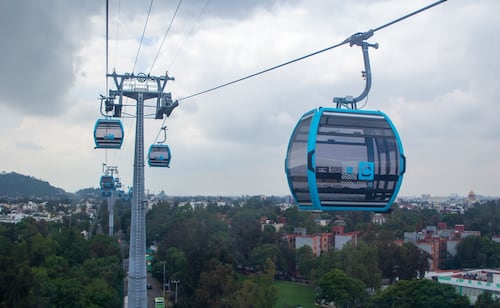
Mexico City's Cablebús aerial cable car system has successfully passed its annual safety reviews, leading to the ratification of its safety certifications by international firms. TÜV SÜD certified Lines 1 and 3, while Seilbahnbüro Schupfer certified Line 2, ensuring the continued safe operation of the transit network.
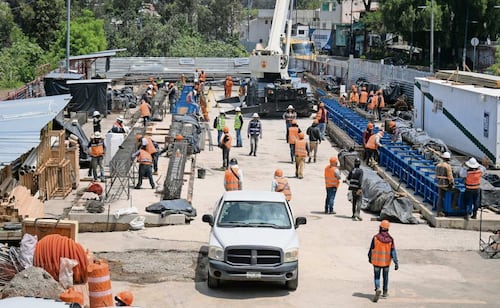
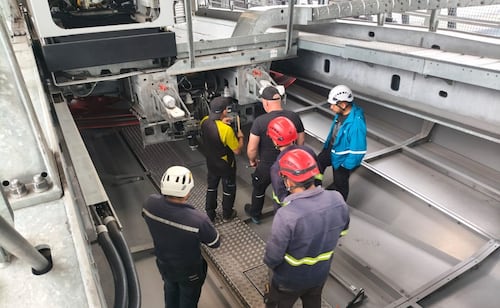
The annual inspections involved rigorous checks of all systems and the cable itself. These included load and braking tests, electrical component verifications, physical examinations of all devices, and general reviews of motors and towers. The Service of Electric Transport (STE) of Mexico City confirmed the completion of these essential safety procedures.
During the closure period, which collectively lasted over a month for the three lines, the STE, in coordination with the Ministry of Mobility (Semovi) and the Passenger Transport Network (RTP), provided free alternative transportation. This support service operated during the same hours as the Cablebús lines to minimize disruption for users.
Clara Brugada, the head of government, recently highlighted the system's significant usage, reporting that the three Cablebús lines collectively handle 40 million trips per year. The mandatory annual revisions, aligned with European standards, are a common practice for cable car systems worldwide, including in other Latin American countries and Mexico's own Mexicable system, ensuring ongoing safety and operational integrity.
DistantNews Editorial
Originally published by El Universal in Spanish. Translated, summarized, and contextualized by our editorial team with added local perspective. Read our editorial standards.
More Stories
From Our Blog

What Press Freedom Means for the News You Read

What Gets Lost (and Found) When News Is Translated

The Critical Role of Diaspora Media in Global News

What Travellers Should Know About Countries with Restricted Press

A Digital Nomad's Guide to Following Local News
