

Mexico City decree officially includes 'Water Forest' concept in environmental law; 70% of water originates there
Translated from Spanish, summarized and contextualized by DistantNews.
At a glance
News
Official statement
New plan
- Mexico City's environmental law now officially includes the concept of "Bosque de Agua" (Water Forest).
- This ecoregion spans mountain forests across Mexico City, the State of Mexico, and Morelos.
- The "Bosque de Agua" is crucial for recharging aquifers that supply the metropolitan area, with officials stating it provides 70% of the city's water.
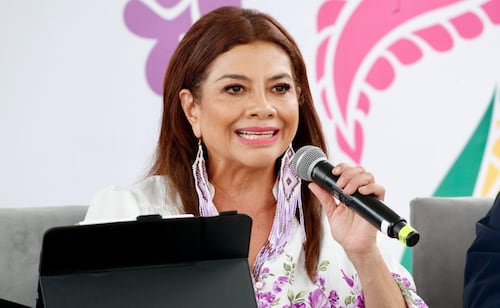
Mexico City's environmental law has been updated to formally recognize the "Bosque de Agua" (Water Forest). A decree published in the Official Gazette adds a new definition to the Environmental Law of Mexico City, encompassing this vital ecoregional system. The "Bosque de Agua" is described as a temperate mountain forest ecosystem stretching across the Sierra de las Cruces, Ajusco, Chichinautzin, and Zempoala mountain ranges. This significant natural area is shared by Mexico City, the State of Mexico, and the state of Morelos. Its forest cover, geological formations, and hydrological conditions are critical for rainwater infiltration and the replenishment of aquifers that supply the vast Metropolitan Area of the Valley of Mexico. Officials emphasize the "Bosque de Agua" as a crucial water source, with the head of government, Clara Brugada, stating that approximately 70% of the water reaching Mexico City originates from this forested region, challenging the common belief that most of the city's water comes from sources like the Cutzamala System. The area covers around 250 hectares and plays a key role in regional biodiversity conservation.
DistantNews Editorial
Originally published by El Universal in Spanish. Translated, summarized, and contextualized by our editorial team with added local perspective. Read our editorial standards.
More Stories
From Our Blog

What Press Freedom Means for the News You Read

What Gets Lost (and Found) When News Is Translated

The Critical Role of Diaspora Media in Global News

What Travellers Should Know About Countries with Restricted Press

A Digital Nomad's Guide to Following Local News
