


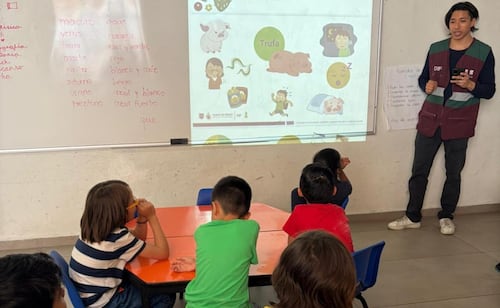
Mexico City DIF boosts mental health services, aiding over 10,000 people
Translated from Spanish, summarized and contextualized by DistantNews.
At a glance
News
Sources not specified
New plan
- The DIF of Mexico City provided psychological and preventive care to over 10,000 people between January and July.
- The program focuses on preventing suicidal behavior and early detection of childhood depression.
- It included support for 9,487 women and 1,042 men, with children benefiting from emotional education workshops.
The Integral Development of the Family (DIF) of Mexico City has significantly advanced its mental health initiatives, providing psychological and preventive attention to more than 10,000 individuals from January to July. This effort is part of a broader strategy aimed at preventing suicidal behavior and detecting childhood depression early.
The strategy operates on two main fronts: prevention and attention. In the prevention phase, the DIF supported 9,487 women and 1,042 men, primarily caregivers aged 18 to 59. Children up to 11 years old were major beneficiaries, receiving emotional education through talks, workshops, and training sessions designed to foster emotional well-being.
In terms of direct psychological support, the DIF addressed 85 cases involving individuals at risk of suicide. This group included 13 children, 48 adolescents, 21 young adults, and three caregivers. The DIF emphasizes that timely prevention and intervention are crucial for mitigating suicide risk and ensuring psychological well-being for children, adolescents, and their caregivers.
This work involved collaboration with various entities, including the Private Assistance Board of Mexico City, the Ministry of Health, and the Metropolitan Autonomous University (UAM). Partnerships were also established with beneficiaries of the Leona Vicario Scholarship and the Comprehensive Process for the Development of High Intellectual Abilities (PIDAHI) program. These joint efforts reached over 10,000 people with emotional education, a key component in suicide prevention.
DistantNews Editorial
Originally published by El Universal in Spanish. Translated, summarized, and contextualized by our editorial team with added local perspective. Read our editorial standards.
More Stories


From Our Blog

What Press Freedom Means for the News You Read

What Gets Lost (and Found) When News Is Translated

The Critical Role of Diaspora Media in Global News

What Travellers Should Know About Countries with Restricted Press

A Digital Nomad's Guide to Following Local News
