


Spiders at Home: Identifying Dangerous Species and Acting on Bites
Translated from Spanish, summarized and contextualized by DistantNews.
At a glance
News
Sources not specified
Context piece
- Most spiders found in homes are harmless and play a role in controlling insect populations.
- In Mexico, medically significant spiders include the Loxosceles (violinist spider) and Latrodectus (black widow) genera.
- The article details how to identify these spiders, their habitats, and symptoms of their bites, emphasizing the need for prompt medical attention.
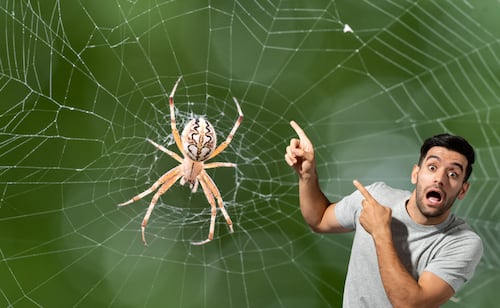
Spiders in homes are often unwelcome guests, sparking concern over potential bites. However, most species are harmless and contribute to ecological balance by preying on insects like flies, cockroaches, and mosquitoes.
In Mexico, the spiders of greatest medical concern belong to the Loxosceles genus, commonly known as violinist spiders, and the Latrodectus genus, identified as black widows. Recognizing these specific spiders and knowing how to act quickly after a bite can be crucial.
The violinist spider, according to the National Autonomous University of Mexico (UNAM), prefers dark, dry, and undisturbed areas such as behind furniture, bookshelves, or inside clothing and shoes, as it is a nocturnal creature. It gets its name from a violin-shaped marking on its body. These spiders, measuring between 1 and 3 centimeters, have six eyes and a reddish-brown color with slender legs. They are often more prevalent during the rainy season.
The black widow typically seeks refuge in dark corners, near the ground, or under stones and debris. It is distinguished by its shiny black body and, in most females, a red or orange hourglass-shaped marking on the underside of its abdomen. UNAM specialists caution that this pattern can vary in shape and color, so it should not be the sole identification criterion. Females are known for consuming males during mating.
Symptoms of a violinist spider bite may initially go unnoticed or cause a slight burning sensation, with the affected area feeling warm. Intense pain, redness, swelling, fever, nausea, abdominal pain, or tissue damage can occur, requiring immediate medical care. Black widow bites often lead to pain that rapidly spreads from the bite site to the abdomen, back, or chest, accompanied by muscle spasms, sweating, nausea, stiffness, and elevated blood pressure.
DistantNews Editorial
Originally published by El Universal in Spanish. Translated, summarized, and contextualized by our editorial team with added local perspective. Read our editorial standards.
More Stories



From Our Blog

What Press Freedom Means for the News You Read

What Gets Lost (and Found) When News Is Translated

The Critical Role of Diaspora Media in Global News

What Travellers Should Know About Countries with Restricted Press

A Digital Nomad's Guide to Following Local News
